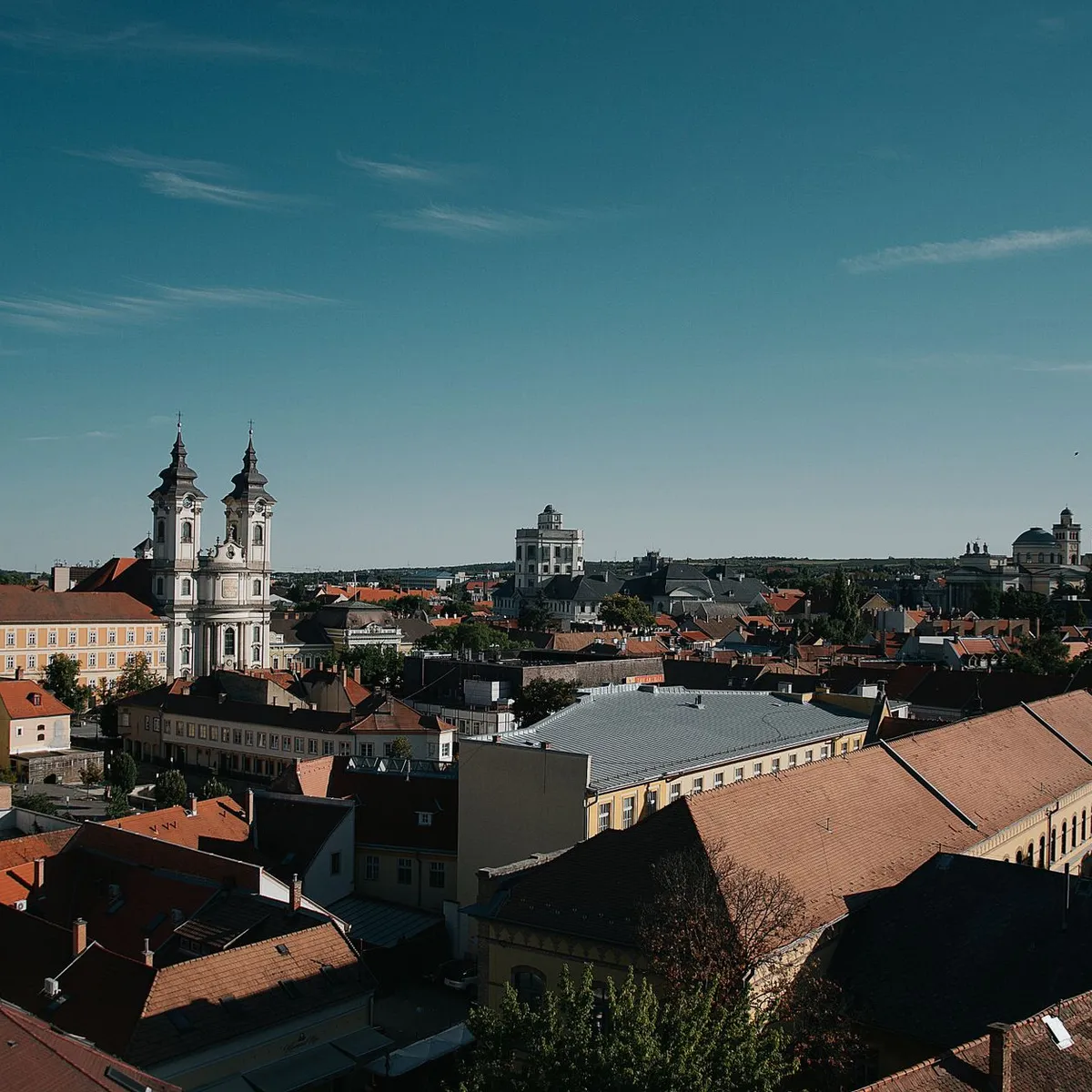
 Photo: Molnár Tamás Photography™ / Pexels
Kecskemét
Kecskemét accessibility for wheelchair users
Compare Kecskemét by accessibility, transport, terrain, healthcare, cost, weather, laws, reviews, and community notes.
Kecskemét accessibility scores
Compare Kecskemét by accessibility, transport, terrain, healthcare, cost, weather, and laws. General stats use public data and models. Community rows reflect member reviews and votes.
General stats
National benchmarks and estimates — your experience in this city may differ.
Community
Starts from our estimate — thumbs up nudge toward Excellent, down toward Poor. Reviews use 1–5 stars.
These figures combine public statistics, models, and live weather where available. Every city is different — treat this as a guide, and share what you know in the Reviews & Corrections tab.
Profile last updated 6/30/2026.
Kecskemét wheelchair accessibility guide
Research Kecskemét for wheelchair users and caregivers: getting around, terrain, healthcare, costs, climate, accessible things to do, and practical caveats before booking.
Last updated 6/30/2026At a glance
Kecskemét is a flat, central Hungarian city between Budapest and Szeged, known for Art Nouveau/secessionist architecture, museums, and Zoltán Kodály connections. Its live RollVenture row scores 66 overall and 61 for accessibility, with one of the best terrain profiles in this batch. Estimated monthly living cost is from ~$2,264/mo, with housing from ~$928/mo. It is a practical small-city base if you choose central, lift-served housing.
Getting around
Research notes the train and bus stations are about a 10-minute walk east of downtown, where most attractions are easy to reach on foot. Local buses are run by Kunság Volán, but a wheelchair user should not assume every bus/stop combination is step-free without checking current fleet and stop access. The simplest plan is to stay near Kossuth tér or another central landmark and use taxis for station transfers, healthcare visits, or bad weather.
Terrain & mobility
The DB terrain data is excellent: mostly flat, about 116 m average elevation, 0.8% max sampled grade, 100% flat samples, and only 45 m elevation range. Pavement confidence is high, with 63% good tagged surfaces and dominant asphalt, paving stones, untagged ways, and some gravel. The main caveats are older church thresholds, square paving, occasional gravel in parks, and construction or market-day obstructions.
Healthcare & care
OpenStreetMap healthcare leads include several central clinics and MH Egészségügyi Központ / Repülőkórház about 1 km from the centre. Treat them as leads: confirm current services, accessible entrances, emergency routing, specialist availability, and language support before relying on them. For personal assistance, arrange care and transport in advance; do not assume short-notice English-speaking home-care availability.
Costs & housing
The row estimates transport from ~$206/mo, medical from ~$132/mo, and home aid from ~$511/mo. Kecskemét may be cheaper than Budapest, but accessible supply is still the bottleneck. Newer apartments outside the oldest core may offer better lifts and bathrooms; central historic buildings may trade location for stairs or small lifts. Ask for measured door widths and bathroom photos.
Climate & comfort
Kecskemét has warm summers and cold winters on the Great Plain. Flat streets help, but summer heat and winter ice can both reduce independence. Plan shaded errands, water, and indoor cultural stops in summer; in winter, ask hosts about snow clearance from street to entrance.
Accessible things to do
Kossuth tér and the secessionist city centre— the best first route, with Town Hall, churches, and central architecture close together; verify individual building access.
Great Temple / Nagytemplom— a central late-Baroque landmark. Churches may require side entrances or assistance, so confirm access before a dedicated visit.
Cifra Palace / museums district— Kecskemét’s museum and architecture cluster is a strong bad-weather option; check lift and toilet details for each institution.
Kiskunság National Park House of Nature— a visitor-centre style stop for regional nature context; confirm opening hours, ramp access, and accessible toilets.
Kecskemét Arboretum or Nyíri forest— useful green outings if surfaces and weather suit your chair; treat trails as partial-access rather than guaranteed.
Community & language
Hungarian is primary. Tourism offices, hotels, museums, and some medical providers may manage English or German, but daily errands can require translation apps. The city’s university, cultural, and automotive-industry links add some international familiarity.
Would we recommend it?
Yes. Kecskemét’s flat terrain, compact centre, and source-verifiable attractions make it a good candidate for wheelchair users who can confirm accommodation and healthcare details before arrival.
These figures combine public statistics, models, and live weather where available. Every city is different — treat this as a guide, and share what you know in the Reviews & Corrections tab.
Profile last updated 6/30/2026.