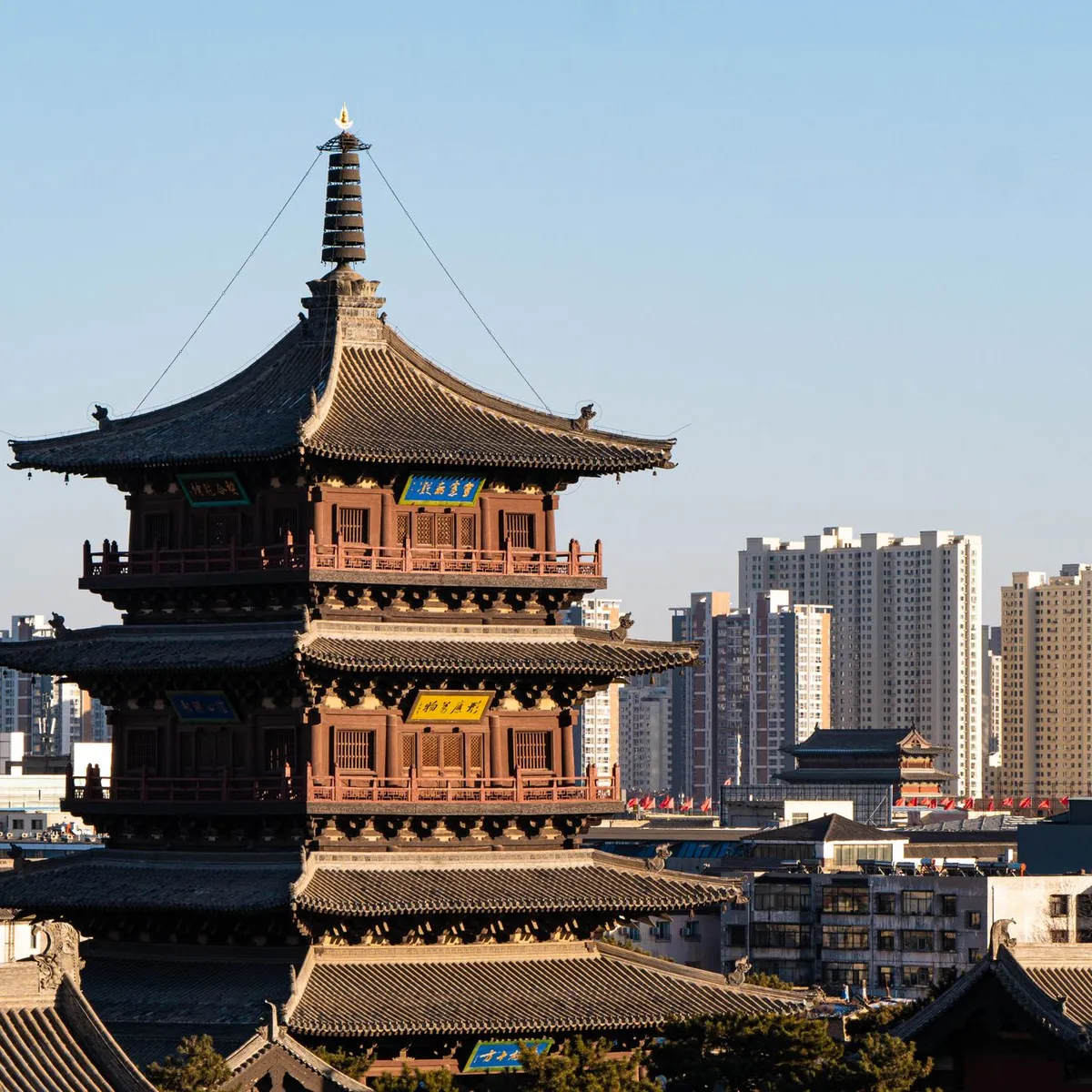
 Photo: xuanle Xu / Pexels
Zhengzhou
Zhengzhou accessibility for wheelchair users
Compare Zhengzhou by accessibility, transport, terrain, healthcare, cost, weather, laws, reviews, and community notes.
Zhengzhou accessibility scores
Compare Zhengzhou by accessibility, transport, terrain, healthcare, cost, weather, and laws. General stats use public data and models. Community rows reflect member reviews and votes.
General stats
National benchmarks and estimates — your experience in this city may differ.
Community
Starts from our estimate — thumbs up nudge toward Excellent, down toward Poor. Reviews use 1–5 stars.
These figures combine public statistics, models, and live weather where available. Every city is different — treat this as a guide, and share what you know in the Reviews & Corrections tab.
Profile last updated 6/30/2026.
Zhengzhou wheelchair accessibility guide
Research Zhengzhou for wheelchair users and caregivers: getting around, terrain, healthcare, costs, climate, accessible things to do, and practical caveats before booking.
Last updated 6/30/2026At a glance
Zhengzhou is a large, flat-to-gently-rolling provincial capital with strong rail and metro connectivity, major hospitals, and several substantial museums. For wheelchair users it is more realistic than many smaller Chinese cities, but still requires building-by-building confirmation. RollVenture's row estimates living costs from ~$2,439/mo, with housing from ~$1,002/mo. The big advantages are city scale, newer infrastructure in many districts, and major medical institutions. The main risks are inconsistent curb cuts, scarce English access information, crowded stations, and tourist sites where elevators or ramps may exist but are not well documented in English.
Getting around
Zhengzhou's metro and high-speed rail network are the backbone for the city, but a wheelchair user should verify lift availability at the exact stations they plan to use and avoid peak commute periods. Airport, rail, and metro hubs can be large and busy; allow time for security, platform transfers, and staff assistance. For door-to-door travel, ride-hailing or a pre-arranged driver is often less stressful than trying to improvise a bus route. Keep destination names in Chinese and screenshots of entrances.
Terrain & mobility
The terrain profile is one of Zhengzhou's strengths: sampled grades are low, with a gently rolling label, average elevation around 108 m, and a small elevation range. The challenge is not hills; it is street execution. The OSM pavement profile has low confidence and mostly untagged/asphalt surfaces, so do not assume consistent curb ramps or obstacle-free sidewalks. Newer commercial districts and museum precincts are more promising than older side streets. Rain can turn road crossings and construction detours into the real barrier.
Healthcare & care
The live profile lists several major OSM-sourced hospitals near the center, including Zhengzhou University First Affiliated Hospital and other university-affiliated hospitals. These are strong healthcare leads, but access details, outpatient navigation, and language support need direct confirmation. For longer stays, identify one major hospital, one private or international-facing clinic if available, and a pharmacy near housing. Bring translated medication names and ask accommodation hosts about wheelchair-capable vehicles.
Costs & housing
The cost row puts Zhengzhou in a middle band for China: from ~$2,439/mo overall and ~$1,002/mo for housing. Accessible apartments are most likely in newer high-rise compounds with elevators, but bathroom thresholds, wet-room layout, and building entrance ramps still need video proof. Avoid older walk-up buildings and listings that only show staged rooms. Proximity to a metro station is useful only if that specific station has working lifts on the route you need.
Climate & comfort
Zhengzhou has hot, humid summers and cold winters. Summer heat, air quality, and long station transfers can be tiring; winter requires gloves, battery planning, and checking ramps after snow or freezing rain. Spring and autumn are easier for testing outdoor routes.
Accessible things to do
Henan Museum— The official museum site was reachable during source checks. It is a major indoor anchor; confirm elevator routes, accessible toilets, and reservation rules before visiting.
Zhengzhou Museum— A practical city museum option if you can verify the current entrance and lift setup in Chinese before arrival.
Erqi Memorial Tower area— A central landmark and orientation point; best approached as a street-level photo stop unless the tower's internal access is confirmed.
Zhengzhou Yellow River Scenic Area— A well-known outing north of the city; treat it as driver-assisted because distances, slopes, and shuttle arrangements matter.
Community & language
Mandarin is essential for logistics. English may be limited outside higher-end hotels, museums, and hospitals with international desks. Use Chinese text for access questions: elevator, ramp, accessible toilet, no steps, and wheelchair taxi. Local disability services exist in law, but visitor-facing information can be thin.
Would we recommend it?
Yes, for experienced China travelers who want a large-city base with hospitals and transport options. It is not a low-effort accessibility destination, but the flat terrain and city scale make it workable if housing, station lifts, and hospital plans are verified in advance.
These figures combine public statistics, models, and live weather where available. Every city is different — treat this as a guide, and share what you know in the Reviews & Corrections tab.
Profile last updated 6/30/2026.
Reviews & corrections
Share your experience or suggest a data correction. Both appear publicly; admin updates official city scores and costs separately.
Log in to write a review or suggest a correction.
No reviews or corrections yet.