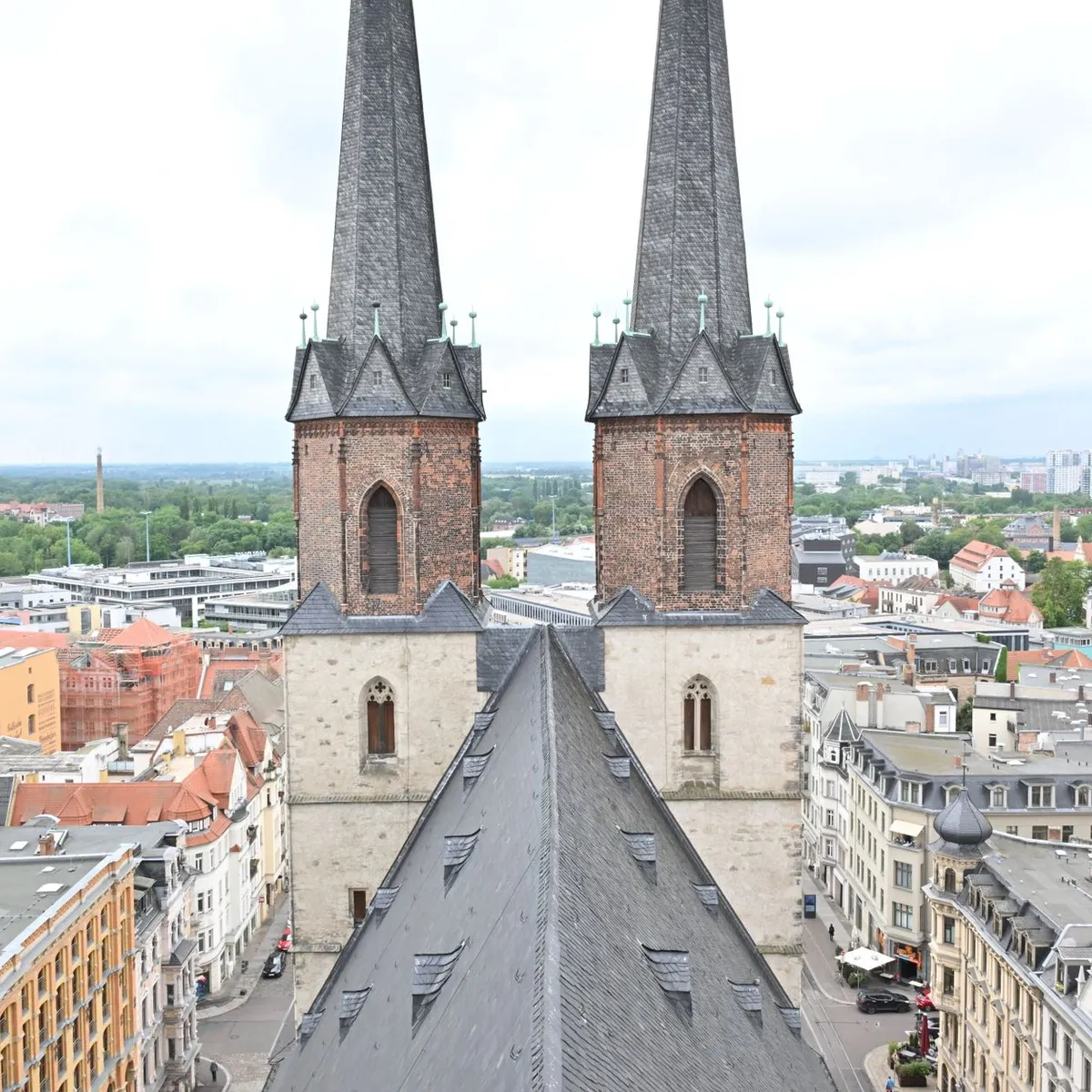
 Photo: Eyes2Soul Eyes2Soul / Pexels
Aachen
Aachen accessibility for wheelchair users
Compare Aachen by accessibility, transport, terrain, healthcare, cost, weather, laws, reviews, and community notes.
Aachen accessibility scores
Compare Aachen by accessibility, transport, terrain, healthcare, cost, weather, and laws. General stats use public data and models. Community rows reflect member reviews and votes.
General stats
National benchmarks and estimates — your experience in this city may differ.
Community
Starts from our estimate — thumbs up nudge toward Excellent, down toward Poor. Reviews use 1–5 stars.
These figures combine public statistics, models, and live weather where available. Every city is different — treat this as a guide, and share what you know in the Reviews & Corrections tab.
Profile last updated 6/30/2026.
Aachen wheelchair accessibility guide
Research Aachen for wheelchair users and caregivers: getting around, terrain, healthcare, costs, climate, accessible things to do, and practical caveats before booking.
Last updated 6/30/2026At a glance
Aachen is a compact, university-heavy spa city with strong day-to-day infrastructure but a medieval core that needs planning. The live row shows an overall score of 76, accessibility score 81, high infrastructure score 93, wheelchair transport 90, and costs from ~$3,374/mo. It is not flat in every direction, but the sampled profile is mostly manageable: max grade about 2.8%, high-confidence OSM pavement with asphalt, paving stones and some setts. Treat the cathedral quarter as the main friction point: beautiful, central, and sometimes uneven under wheels.
Getting around
Use buses and regional trains as the practical base. Aachen Hauptbahnhof, Elisenbrunnen and the museum quarter put many trips into short hops, but station elevators, low-floor bus availability and curb access should be checked for the exact route. Taxis or booked accessible transport are worth budgeting for late evenings, bad weather, or cross-border day trips to Maastricht or Liège.
Terrain & mobility
The old town mixes smooth shopping streets with cobbles, setts, slopes, construction detours and busy pedestrian zones. The DB profile’s 61% good pavement is encouraging for Germany, but the dominant “paving_stones” and “sett” tags mean vibration risk. A power chair, scooter, or strong manual-chair companion will make the cathedral area easier than a solo manual-chair setup.
Healthcare & care
The local OSM profile lists nearby clinics and the city also has Uniklinik RWTH Aachen as a major university medical center. Use those as leads, not guarantees: confirm departments, insurance, accessibility, English support and appointment rules before relocating. Home-aid costs are estimated from ~$759/mo.
Costs & housing
Monthly cost is modeled from ~$3,374/mo, with housing from ~$1,546/mo. Accessible apartments near the centre are likely competitive; widen the search around transit corridors and verify lifts, entrance thresholds, bathroom turning radius and winter maintenance in writing.
Climate & comfort
Aachen has a damp western-European climate: rain, grey winters and freeze-thaw days can make cobbles slippery. Summer is usually easier than many hotter cities, but wet ramps and stone streets deserve attention.
Accessible things to do
Ludwig Forum für Internationale Kunst— The museum states that exhibition rooms, library and workshop can be reached barrier-free via parking lot and main entrance; it also lists two elevators and an accessible toilet.
Aachen Cathedral— UNESCO-listed and central. The official cathedral site confirms visiting hours and guided-tour context; wheelchair users should treat the royal throne/upper areas as limited and verify current step-free access before going.
Centre Charlemagne— City-history museum beside the old town. Its site exposes visitor/accessibility navigation, but confirm lift and route details before visiting.
Elisenbrunnen and the spa quarter— A flat, central outdoor anchor for short visits, benches and café stops; surfaces nearby vary, so scout curb cuts.
Community & language
German is the default; English is common around RWTH, hospitals and tourism, but less reliable for housing and care paperwork. The Dutch and Belgian border context adds international energy.
Would we recommend it?
Yes, with old-town caveats. Aachen is a good candidate for people who want a smaller German city with strong infrastructure, hospitals and transit, as long as cobbles and historic-building access are treated as daily planning issues rather than surprises.
These figures combine public statistics, models, and live weather where available. Every city is different — treat this as a guide, and share what you know in the Reviews & Corrections tab.
Profile last updated 6/30/2026.
Reviews & corrections
Share your experience or suggest a data correction. Both appear publicly; admin updates official city scores and costs separately.
Log in to write a review or suggest a correction.
No reviews or corrections yet.