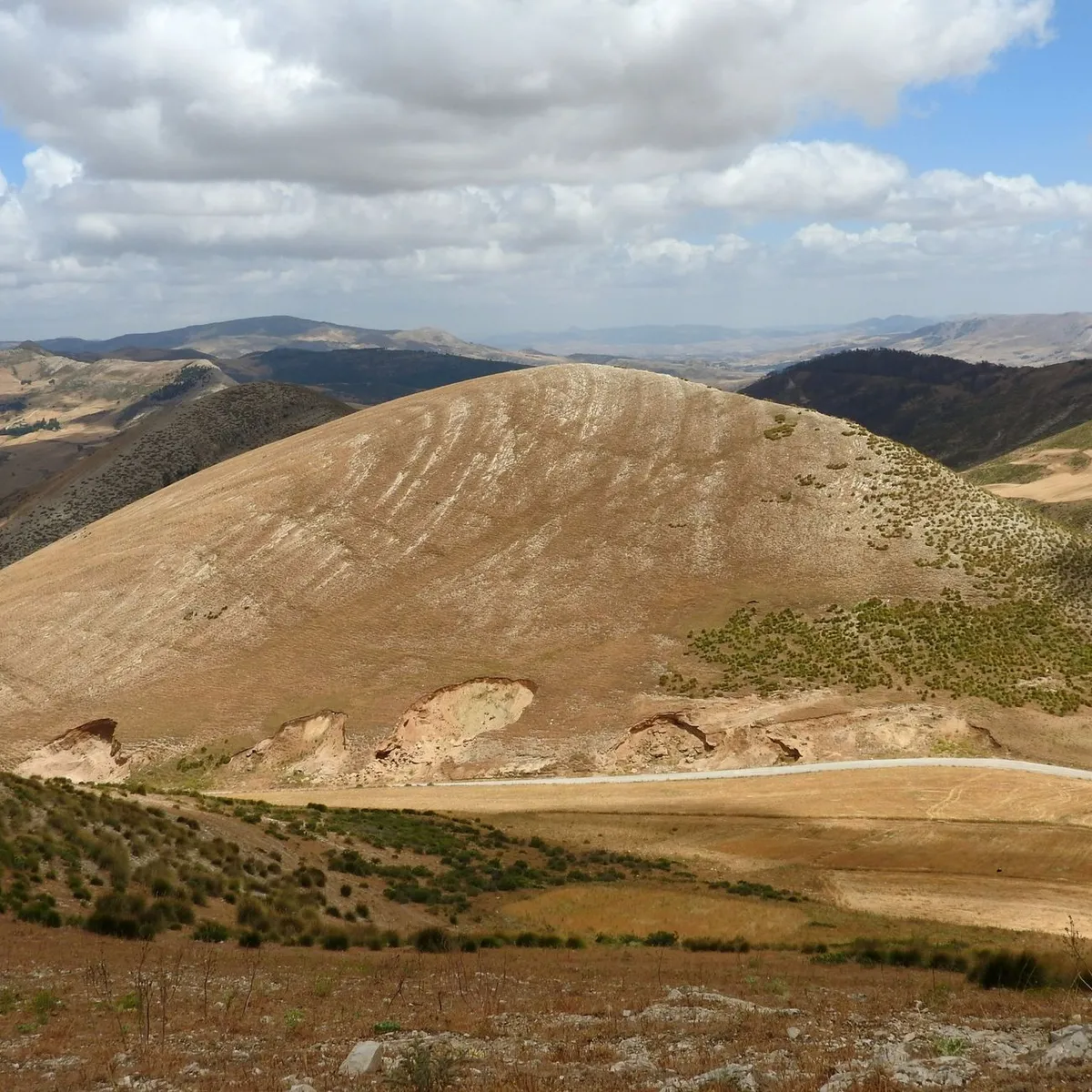
 Photo: abderrahmane loualbia / Pexels
Aïn Oussera
Aïn Oussera accessibility for wheelchair users
Compare Aïn Oussera by accessibility, transport, terrain, healthcare, cost, weather, laws, reviews, and community notes.
Aïn Oussera accessibility scores
Compare Aïn Oussera by accessibility, transport, terrain, healthcare, cost, weather, and laws. General stats use public data and models. Community rows reflect member reviews and votes.
General stats
National benchmarks and estimates — your experience in this city may differ.
Community
Starts from our estimate — thumbs up nudge toward Excellent, down toward Poor. Reviews use 1–5 stars.
These figures combine public statistics, models, and live weather where available. Every city is different — treat this as a guide, and share what you know in the Reviews & Corrections tab.
Profile last updated 7/2/2026.
Aïn Oussera wheelchair accessibility guide
Research Aïn Oussera for wheelchair users and caregivers: getting around, terrain, healthcare, costs, climate, accessible things to do, and practical caveats before booking.
Last updated 7/2/2026At a glance
Aïn Oussera is a practical inland base in Djelfa Province rather than an easy leisure destination. The live city row scores it well for cost but weakly for wheelchair access, so the safest read is: workable for a longer stay only if you can arrange private transport, lodging checks, and local assistance before arrival. The DB profile places living costs from ~$2,199/mo, with housing from ~$1,146/mo, and the Wikipedia city page confirms Aïn Oussera as a Djelfa Province city at roughly 687 m elevation. Treat the city as a road-and-services stop on the high plateau, not a polished accessible tourism hub.
Getting around
Plan around taxis, hired cars, or a known driver. The wheelchair-transport score is low, and there is no verified source showing a dependable accessible public-transport network. For wheelchair users, the key question is not just step-free boarding, but whether a vehicle can take a folded chair, whether the driver will wait, and whether your hotel or host can call the same driver repeatedly. Keep medical visits, errands, and food shopping close together to reduce transfers.
Terrain & mobility
The terrain profile is gently rolling, with an average elevation near 694 m and a sampled maximum grade around 1.3%, so slope is less concerning than surfaces. Pavement data is low-confidence and mostly untagged/asphalt, which means curb cuts, drainage lips, broken edges, and parked vehicles may matter more than hill climbing. Bring a repair kit, avoid night routing on unfamiliar streets, and preview entrances by phone or photos whenever possible.
Healthcare & care
OSM healthcare leads cluster very close to the centre, including Hôpital Commandant Saâdaoui El Mokhtar and nearby emergency/radiology entries around 0.4-0.5 km from the city centre. Use them as leads, not guarantees: confirm current departments, step-free access, language support, and payment requirements before relying on them. For recurring care, bring prescriptions and clinic letters in French or Arabic if possible.
Costs & housing
The database cost model is relatively favorable for Algeria, but accessible housing is the hard part. Budget from ~$2,199/mo overall and from ~$1,146/mo for housing, then add a buffer for taxis, backup lodging, delivery, and paid assistance. Ask for entrance photos, bathroom door widths, shower setup, lift status, and whether there are steps between street and room.
Climate & comfort
Aïn Oussera sits on a high, dry plateau. Expect strong sun, dust, and large seasonal temperature swings rather than coastal humidity. Wheelchair users should plan shade breaks, water, gloves for hot rims, and indoor midday errands in summer.
Accessible things to do
Central Aïn Oussera errands loop— Use the town centre as a practical low-distance route for cafés, pharmacies, and daily supplies; verify curb cuts and thresholds locally.
Djelfa Province road stop— The city works as a staging point on regional road travel; private transport is more realistic than spontaneous public transit.
Local market streets— Good for everyday orientation and food shopping, but surfaces and crowding may require a companion.
Hôpital Commandant Saâdaoui area— Not a tourist attraction, but a useful accessibility anchor for visitors who need to understand nearby medical access before committing to a stay.
Community & language
Arabic is the daily language, with French useful for healthcare, administration, and older signage. English should not be assumed. Algeria has disability protections on paper, but local infrastructure can lag; personal introductions and a reliable local contact matter.
Would we recommend it?
Only for experienced travelers with local support, private transport, and a clear reason to be in the Djelfa corridor. The flat-to-gently rolling terrain helps, but weak transport and uncertain building access keep it from being an easy wheelchair base.
These figures combine public statistics, models, and live weather where available. Every city is different — treat this as a guide, and share what you know in the Reviews & Corrections tab.
Profile last updated 7/2/2026.
Reviews & corrections
Share your experience or suggest a data correction. Both appear publicly; admin updates official city scores and costs separately.
Log in to write a review or suggest a correction.
No reviews or corrections yet.