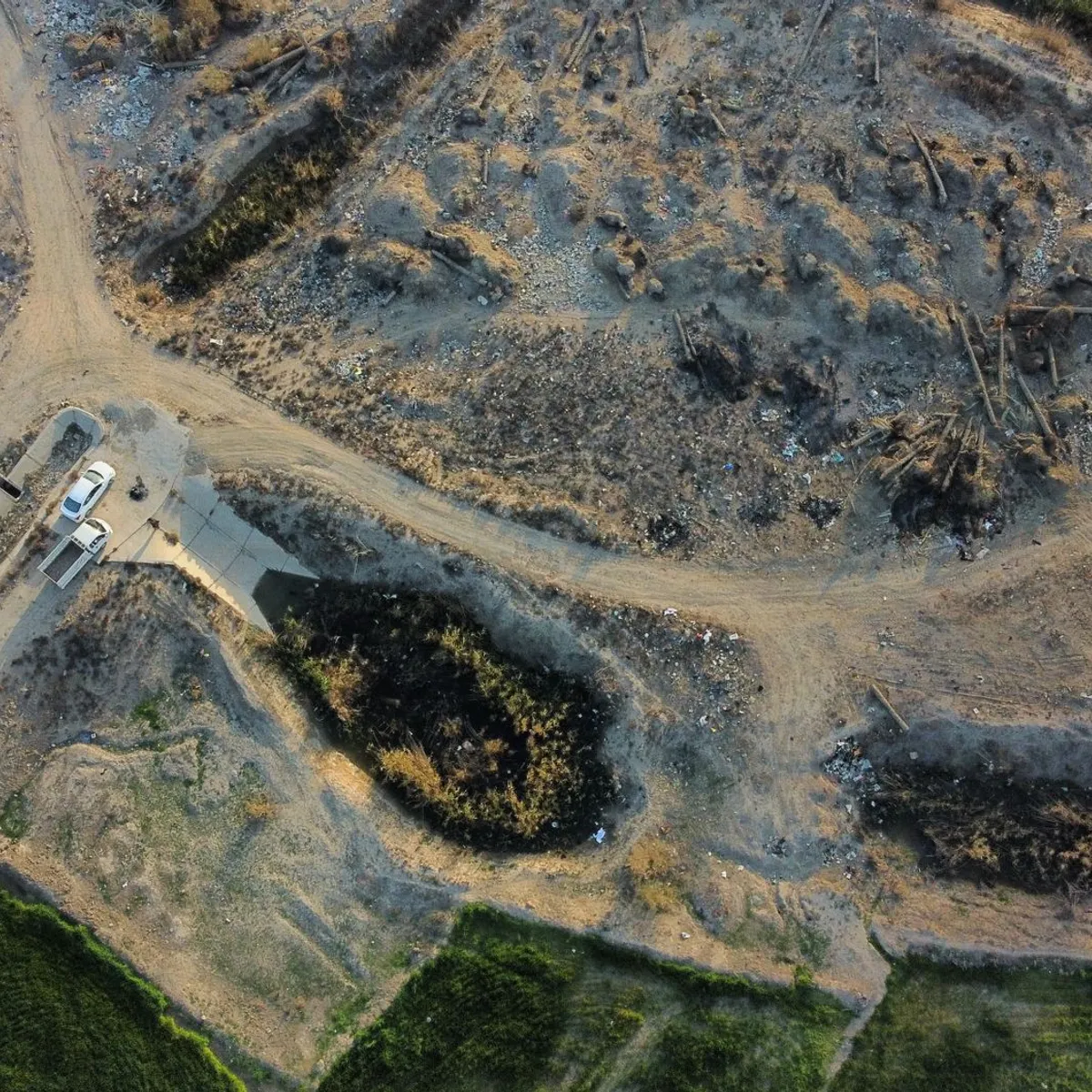
 Photo: Reza k.m / Pexels
Al ‘Amārah
Al ‘Amārah accessibility for wheelchair users
Compare Al ‘Amārah by accessibility, transport, terrain, healthcare, cost, weather, laws, reviews, and community notes.
Al ‘Amārah accessibility scores
Compare Al ‘Amārah by accessibility, transport, terrain, healthcare, cost, weather, and laws. General stats use public data and models. Community rows reflect member reviews and votes.
General stats
National benchmarks and estimates — your experience in this city may differ.
Community
Starts from our estimate — thumbs up nudge toward Excellent, down toward Poor. Reviews use 1–5 stars.
These figures combine public statistics, models, and live weather where available. Every city is different — treat this as a guide, and share what you know in the Reviews & Corrections tab.
Profile last updated 7/2/2026.
Al ‘Amārah wheelchair accessibility guide
Research Al ‘Amārah for wheelchair users and caregivers: getting around, terrain, healthcare, costs, climate, accessible things to do, and practical caveats before booking.
Last updated 7/2/2026At a glance
Al ‘Amārah is a practical, river-oriented city in Maysan Governorate, best approached as a low-frills base rather than an easy accessibility destination. The RollVenture row is empty and the live profile shows a very flat terrain sample, which is helpful for transfers and short rolls, but pavement confidence is low and many streets are untagged or partly unpaved. Plan around heat, conservative public access, and limited verified tourism infrastructure. A wheelchair user should pre-book a ground-floor or elevator-served hotel, arrange a driver who can wait, and treat venue accessibility as something to confirm by phone or through a local contact before setting out.
Getting around
There is no reliable evidence of a step-free urban rail system or accessible fixed-route bus network. The safest assumption is private car, hotel-arranged taxi, or a known driver. Keep trips short in summer, carry water, and ask the driver to scout curb height and entrance steps before unloading mobility equipment. The city’s flatness helps, but broken shoulders, informal parking, and market crowding can still make a short distance slow.
Terrain & mobility
The DB terrain profile is mostly flat, with a tiny sampled grade and low elevation change, so the main mobility risk is surface quality rather than hills. OSM pavement data has low confidence and shows many untagged ways, with some unpaved and asphalt segments. Expect mixed curb cuts, uneven edges near canals and riverfront roads, and occasional ramps that are too steep or blocked. Manual wheelchair users should bring gloves and avoid long midday outdoor routes.
Healthcare & care
The local healthcare profile is based on OpenStreetMap leads, not an audited medical directory. It lists nearby public-health and hospital-type entries including Al-Zahrawi Surgical Hospital and Maysan health offices, but access, emergency capacity, English-language support, and equipment availability must be verified directly. Bring prescriptions, Arabic translations of care needs, and a backup plan in Basra or Baghdad for complex procedures.
Costs & housing
The row estimates monthly living cost from ~$3,114/mo. Do not read that as an accessible-housing quote: step-free rooms, roll-in showers, backup power, and reliable air-conditioning may be scarce or priced differently. Ask hotels for current photos of the entrance, lift, bathroom threshold, toilet layout, and generator/AC arrangements before paying.
Climate & comfort
Summers are severe, with DB climate averages around 38-41°C in June-August and almost no rain. Winter and early spring are much easier for outdoor transfers. Dust, heat shimmer, and long exposed waits can quickly become medical issues, so build itineraries around morning/evening windows and keep shaded rest stops.
Accessible things to do
Tigris riverfront viewpoints— Amarah is documented as a city on the Tigris, and riverside viewing is the most realistic low-step outing. Verify the exact promenade section, curb cuts, and parking before unloading.
Central market/old commercial streets— useful for local life and food shopping, but treat as a guided, short-roll activity because surfaces and crowding vary.
Maysan healthcare/administrative district errands— not a tourist attraction, but practical for long stays; use the DB’s OSM leads as starting points and verify entrances.
Day-trip planning toward the Mesopotamian Marshes region— only consider with a specialist local operator; boats and banks are unlikely to be wheelchair-ready without custom assistance.
Community & language
Arabic is the default language; English support is unpredictable outside hotels, NGOs, or medical professionals. A local fixer/driver is more important here than in large tourism cities. Iraq has disability-law language, but enforcement and infrastructure are inconsistent, so community help and advance calls matter.
Would we recommend it?
Only for experienced wheelchair travelers with local support, a specific reason to be in Maysan, and flexibility. The flat terrain is a plus, but the weak accessible-transport evidence, intense heat, and sparse verified attraction access make Al ‘Amārah a cautious, support-dependent recommendation rather than an easy city break.
These figures combine public statistics, models, and live weather where available. Every city is different — treat this as a guide, and share what you know in the Reviews & Corrections tab.
Profile last updated 7/2/2026.
Reviews & corrections
Share your experience or suggest a data correction. Both appear publicly; admin updates official city scores and costs separately.
Log in to write a review or suggest a correction.
No reviews or corrections yet.