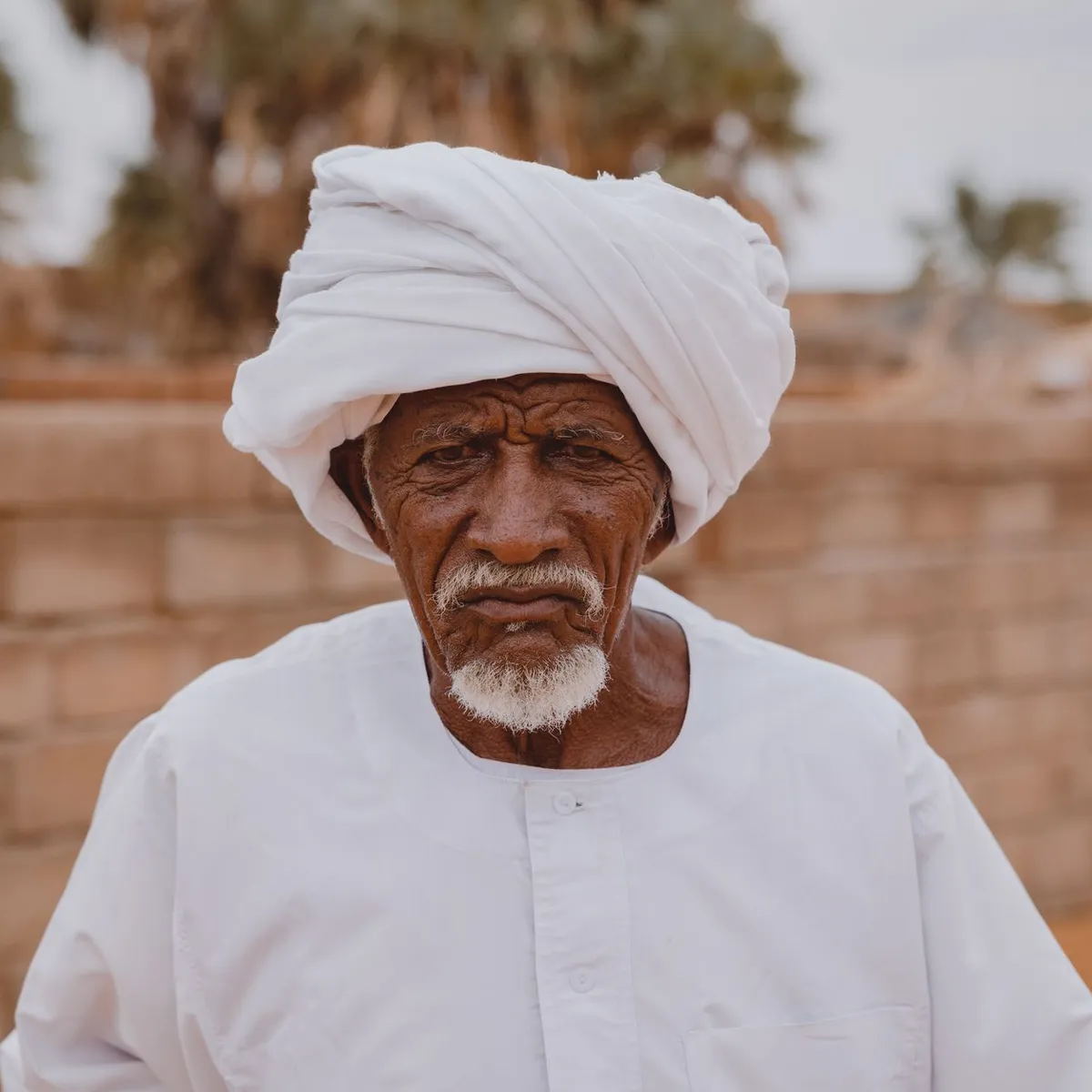
 Photo: Faruk Tokluoğlu / Pexels
Al Qadarif
Al Qadarif accessibility for wheelchair users
Compare Al Qadarif by accessibility, transport, terrain, healthcare, cost, weather, laws, reviews, and community notes.
Al Qadarif accessibility scores
Compare Al Qadarif by accessibility, transport, terrain, healthcare, cost, weather, and laws. General stats use public data and models. Community rows reflect member reviews and votes.
General stats
National benchmarks and estimates — your experience in this city may differ.
Community
Starts from our estimate — thumbs up nudge toward Excellent, down toward Poor. Reviews use 1–5 stars.
These figures combine public statistics, models, and live weather where available. Every city is different — treat this as a guide, and share what you know in the Reviews & Corrections tab.
Profile last updated 7/1/2026.
Al Qadarif wheelchair accessibility guide
Research Al Qadarif for wheelchair users and caregivers: getting around, terrain, healthcare, costs, climate, accessible things to do, and practical caveats before booking.
Last updated 7/1/2026At a glance
Al Qadarif (El-Gadarif/Gedaref) is the capital of Sudan's Al Qadarif state, on the Khartoum-Gallabat corridor toward Ethiopia. It is known as an agricultural and trading city, especially for sesame auctions and grain storage. For wheelchair users, the profile is challenging: low accessibility, limited wheelchair transport, many unpaved or untagged road surfaces, and the wider Sudan conflict context require conservative planning. Choose this base only with trusted local support and a practical need to be in eastern Sudan.
Getting around
The city sits on a major road route, but step-free public transport should not be assumed. Arrange private transport for every essential trip and keep destinations close together. Ask drivers to wait rather than drop off and return, because rerouting around rough roads, checkpoints, market congestion, or security disruptions can be difficult. If arriving from Khartoum or the border corridor, confirm road conditions shortly before departure.
Terrain & mobility
The DB terrain sample is gently rolling, not steep, with an average elevation near 598 m. Surface quality is the key issue: OSM pavement data has high sample confidence but dominant surfaces are untagged and unpaved. Expect dirt shoulders, broken drainage edges, dust or mud depending on season, and few formal curb ramps. A power chair may struggle on soft or rutted surfaces; a manual chair user will likely need a strong companion for outdoor routes.
Healthcare & care
OSM healthcare leads include مستشفى القضارف التعليمي, مستشفى القضارف التعليمى للعيون, مستشفى التاهيل, and several clinics. Treat them as starting points for calls, not guarantees. Confirm emergency department status, wheelchair entrance, generator reliability, and whether medicines or consumables are locally available. For complex care, plan escalation toward a larger medical center if travel conditions allow.
Costs & housing
The stored monthly estimate is from ~$2,339/mo, with housing around $1,211/mo. Accessible housing supply is likely thin. Request current photos of entrance steps, bathroom door width, shower setup, bed height, and the path from vehicle to room. Backup power, water reliability, and safe parking may matter as much as room layout.
Climate & comfort
Heat, dust, and rainy-season mud can all affect mobility. Keep errands short, avoid midday movement, and protect chair batteries, cushions, and respiratory equipment from dust. During rains, routes that looked workable in dry weather can become inaccessible.
Accessible things to do
Vegetable market area— documented as a visible city feature; visit only at quieter times with help, because surfaces and crowding may be difficult.
Sesame auction / agricultural trading district— a locally important activity; access is likely informal, so arrange a guided look rather than independent wandering.
Grain silo landmark— the city is noted for a Russian-built grain silo; best treated as a drive-by orientation point unless local hosts confirm visitor access.
University of Al Qadarif area— useful for a calmer institutional landmark; verify gate access and paved internal routes before going.
Community & language
Arabic is the working language. Local hospitality can be strong, but disability access is not systematized. A bilingual local contact who can call hospitals, hotels, and drivers is essential.
Would we recommend it?
Generally no for leisure or independent wheelchair travel. It can work as a necessary stop with private transport, local contacts, and conservative expectations, but the surface, healthcare, and security uncertainties are significant.
These figures combine public statistics, models, and live weather where available. Every city is different — treat this as a guide, and share what you know in the Reviews & Corrections tab.
Profile last updated 7/1/2026.