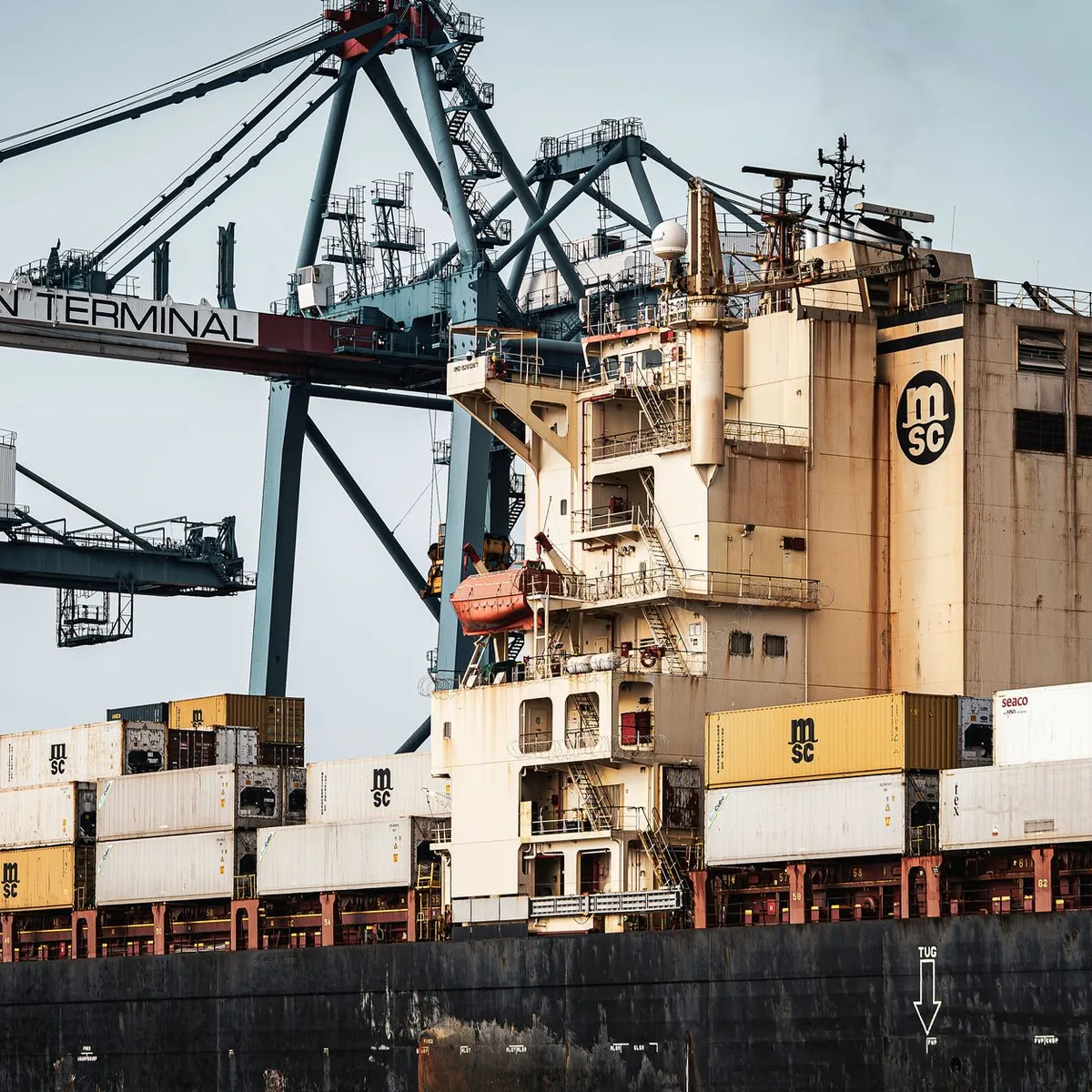
 Photo: Jean Marc Bonnel / Pexels
Port Sudan
Port Sudan accessibility for wheelchair users
Compare Port Sudan by accessibility, transport, terrain, healthcare, cost, weather, laws, reviews, and community notes.
Port Sudan accessibility scores
Compare Port Sudan by accessibility, transport, terrain, healthcare, cost, weather, and laws. General stats use public data and models. Community rows reflect member reviews and votes.
General stats
National benchmarks and estimates — your experience in this city may differ.
Community
Starts from our estimate — thumbs up nudge toward Excellent, down toward Poor. Reviews use 1–5 stars.
These figures combine public statistics, models, and live weather where available. Every city is different — treat this as a guide, and share what you know in the Reviews & Corrections tab.
Profile last updated 7/1/2026.
Port Sudan wheelchair accessibility guide
Research Port Sudan for wheelchair users and caregivers: getting around, terrain, healthcare, costs, climate, accessible things to do, and practical caveats before booking.
Last updated 7/1/2026At a glance
Port Sudan is a Red Sea port city with low-to-moderate modeled costs, limited accessibility infrastructure, and a setting shaped by heat, dust, and ongoing national instability. RollVenture’s live row scores it 53 overall, 39 for accessibility, and estimates monthly living from ~$2,259/mo with housing from ~$1,174/mo. The city can work for a short, locally supported stay, but it is not a low-friction wheelchair destination: pavement tagging is mixed, public transport access is uncertain, and medical escalation depends on local conditions that can change quickly.
Getting around
Plan around private vehicles, hotel-arranged drivers, or trusted local contacts rather than public buses. Port areas, markets, and older streets can have rough edges, sand, curbs without cuts, and informal parking. If arriving by air or ferry, confirm assistance directly with the operator and again 24 hours before travel. Keep daily routes short and build in shade and water stops; a missed ramp or blocked entrance can become a health issue in the heat.
Terrain & mobility
The model shows gently rolling terrain, but surface quality is the bigger barrier. OSM pavement data flags many untagged or unpaved segments, so a power chair with good tyres or a manual chair plus assistant is safer than trying to self-propel long distances. Avoid assuming the waterfront or hotel districts are fully step-free. For any outing, ask for photos of entrance thresholds, restroom access, and the street immediately outside.
Healthcare & care
The live profile lists several nearby hospitals in OpenStreetMap, including Port Sudan main hospital and other city facilities, but these should be treated as leads only. Confirm emergency departments, wheelchair entry, medications, and interpreter support before arrival. Bring extra prescriptions and medical documents. If complex care is needed, Port Sudan should be considered a fragile base, not a substitute for a larger regional medical hub.
Costs & housing
Costs can be lower than many global coastal cities, but reliability matters more than headline rent. For housing, require ground-floor or confirmed lift access, backup power, water storage, air conditioning, and a bathroom that can be adapted. Check security, generator noise, and distance to clinics. Short stays in known hotels may be safer than committing to private housing unseen.
Climate & comfort
Heat is the defining comfort issue. The Red Sea climate brings hot days, strong sun, and dust; dehydration and skin pressure risk rise quickly for wheelchair users. Prioritize shaded transport, cooling, and backup power. Plan outdoor time for early morning or late afternoon.
Accessible things to do
Port Sudan waterfront / corniche areas— Potentially the simplest orientation outing, but verify paving, curb cuts, and seating before relying on it.
Red Sea diving and boat operators— Port Sudan is known as a Red Sea access point; wheelchair users should contact operators directly about transfers, boat boarding, and medical contingencies.
Local markets— Useful for short assisted visits, but expect crowding, uneven ground, and few accessible toilets.
Sanganeb Marine National Park / Dungonab Bay region— UNESCO-recognized marine areas are nearby in regional terms, but access is expedition-like and should be attempted only with specialist operators and current safety checks.
Community & language
Arabic is the working language; English may be limited outside tourism, shipping, and some medical settings. A trusted local contact is essential for transport, interpretation, and contingency planning.
Would we recommend it?
Only with strong local support and a specific reason to be there. Port Sudan has Red Sea appeal, but accessibility, heat, healthcare uncertainty, and safety variability make it a cautious, assisted-stay recommendation rather than a general relocation pick.
These figures combine public statistics, models, and live weather where available. Every city is different — treat this as a guide, and share what you know in the Reviews & Corrections tab.
Profile last updated 7/1/2026.