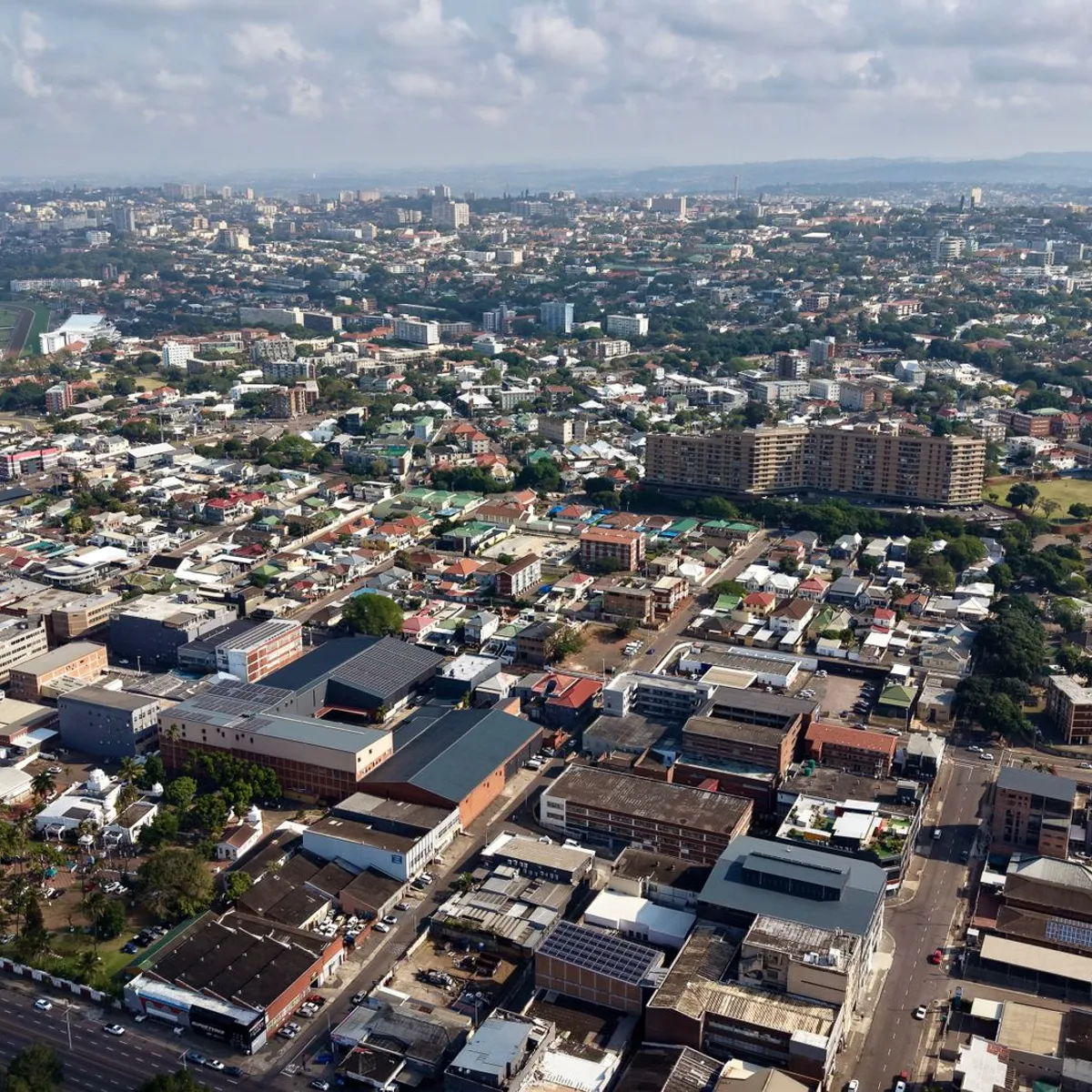
 Photo: RAIHAAN Kamdar / Pexels
Bangui
Bangui accessibility for wheelchair users
Compare Bangui by accessibility, transport, terrain, healthcare, cost, weather, laws, reviews, and community notes.
Bangui accessibility scores
Compare Bangui by accessibility, transport, terrain, healthcare, cost, weather, and laws. General stats use public data and models. Community rows reflect member reviews and votes.
General stats
National benchmarks and estimates — your experience in this city may differ.
Community
Starts from our estimate — thumbs up nudge toward Excellent, down toward Poor. Reviews use 1–5 stars.
These figures combine public statistics, models, and live weather where available. Every city is different — treat this as a guide, and share what you know in the Reviews & Corrections tab.
Profile last updated 7/1/2026.
Bangui wheelchair accessibility guide
Research Bangui for wheelchair users and caregivers: getting around, terrain, healthcare, costs, climate, accessible things to do, and practical caveats before booking.
Last updated 7/1/2026At a glance
Bangui is the capital of the Central African Republic, on the Ubangi River opposite Zongo in the DRC. Wikivoyage describes a compact city center near the river, important civic landmarks and serious security cautions. For wheelchair users, this is a high-risk, high-planning destination: the DB accessibility score is low, the disability-law summary is minimal, and pavement data shows many unpaved or rough surfaces. Budget from about ~$2,388/mo, with housing around ~$1,219/mo, but safety and logistics matter more than headline costs.
Getting around
Do not plan Bangui around independent street travel. Use vetted drivers, secure accommodation and current security advice. Wikivoyage notes the airport northwest of the city and river connections, but local movement should be door-to-door by trusted vehicle. Many roads and building approaches may be rough, and spontaneous taxis are a poor fit for wheelchair travelers with luggage or medical equipment. Keep itineraries short and daylight-only unless an experienced local operator says otherwise.
Terrain & mobility
The DB terrain profile labels Bangui hilly, with a significant elevation range and sampled grades over 5%. Pavement data is high-confidence but challenging: dominant surfaces include unpaved, asphalt, untagged and paved, with very little marked good surface. Expect broken edges, drainage gaps, dust and mud depending on season. A manual chair will need pushing support; a power chair needs careful battery, tire and repair planning.
Healthcare & care
OSM healthcare leads include Centre de Santé Urbain de Lakouanga, Centre de Santé Saint-Jacques, CS Lakouanga, CS Saidou and Centre de Santé Urbain des Castors. These are proximity leads, not verified accessible or internationally equipped facilities. Anyone with complex needs should arrange medical evacuation coverage, identify a clinic through a trusted organization before arrival, and carry medication and supplies. Ask directly about step-free entrances, generator power and ambulance availability.
Costs & housing
The DB model estimates monthly living around $2,388, housing around $1,219, food around $332 and transport around $174. In practice, safe, accessible housing may cost much more. Prioritize secure compounds or hotels with confirmed ground-floor rooms, generator reliability, water storage, bathroom access and vehicle access to the entrance. Do not trade security for cheaper rent.
Climate & comfort
Wikivoyage describes a hot tropical climate, with rainy months from roughly May to October. Heat, humidity and rain all affect wheelchair comfort. Rain can make unpaved streets difficult or impossible; heat increases dehydration and skin-risk during long vehicle waits. Build in rest days and carry water, shade, gloves and basic repair supplies.
Accessible things to do
Boganda National Museum— Wikivoyage lists the national museum on Avenue Barthélemy Boganda; confirm opening, security and step-free access before visiting.
Cathédrale Notre-Dame-de-l'Immaculée-Conception— identified as Bangui's largest cathedral; exterior access may be easier than interior access.
Renaissance Palace exterior— Wikivoyage notes the presidential palace can only be viewed from outside; visit only if current security conditions allow.
Ubangi River / central market area— the city center near the river is a key orientation point, but rough surfaces and crowding require a driver and local escort.
Community & language
French and Sango are important; English alone will not be enough for healthcare, transport or official situations. Work through trusted local contacts, NGOs, hotels or operators, and keep family or colleagues informed of movements. Disability access is not standardized, so every claim needs direct confirmation.
Would we recommend it?
Generally no for casual wheelchair travel. Bangui may be necessary for work, family or specialist travel, but safety, rough surfaces, limited verified healthcare and uncertain access make it suitable only with strong local support and contingency planning.
These figures combine public statistics, models, and live weather where available. Every city is different — treat this as a guide, and share what you know in the Reviews & Corrections tab.
Profile last updated 7/1/2026.