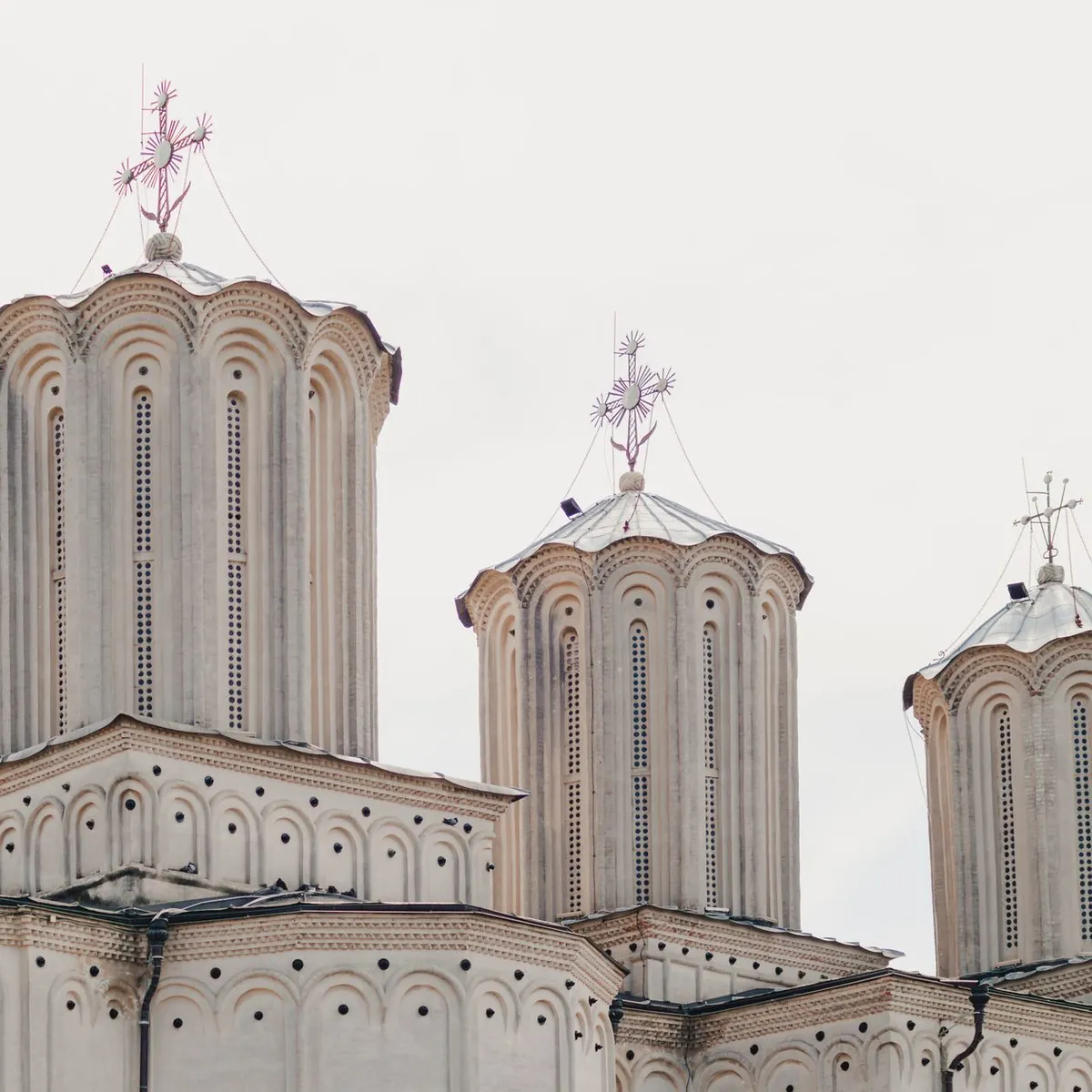
 Photo: Ch Jawad / Pexels
Bucharest
Bucharest accessibility for wheelchair users
Compare Bucharest by accessibility, transport, terrain, healthcare, cost, weather, laws, reviews, and community notes.
Bucharest accessibility scores
Compare Bucharest by accessibility, transport, terrain, healthcare, cost, weather, and laws. General stats use public data and models. Community rows reflect member reviews and votes.
General stats
National benchmarks and estimates — your experience in this city may differ.
Community
Starts from our estimate — thumbs up nudge toward Excellent, down toward Poor. Reviews use 1–5 stars.
These figures combine public statistics, models, and live weather where available. Every city is different — treat this as a guide, and share what you know in the Reviews & Corrections tab.
Profile last updated 7/1/2026.
Bucharest wheelchair accessibility guide
Research Bucharest for wheelchair users and caregivers: getting around, terrain, healthcare, costs, climate, accessible things to do, and practical caveats before booking.
Last updated 7/1/2026At a glance
Bucharest is a big-city option with useful medical depth and relatively flat central terrain, but accessibility is uneven once you leave the broad boulevards and newer malls. RollVenture data shows a mostly flat terrain sample, high pavement confidence, and monthly living costs from ~$2,611/mo, with housing from ~$1,404/mo. That makes it more practical than many regional capitals for arranging taxis, clinics, delivery, and short-term help, but not a plug-and-play wheelchair destination.
Getting around
Metro, tram, bus, and taxi coverage is broad, yet step-free routing still needs advance checking station by station. Treat the metro as partly useful rather than universally accessible: newer or rebuilt stations are more likely to have lifts, while older transfer points can mean stairs, long ramps, or out-of-service equipment. Ride-hailing and pre-booked accessible taxi help are worth arranging for airport transfers, hospital visits, and winter days.
Terrain & mobility
The city itself is mostly flat in the RollVenture terrain sample, which helps with stamina and manual-chair pushing. The harder issues are broken paving, parked cars on sidewalks, curb cuts that disappear mid-route, and Old Town cobbles. Major boulevards, parks, and shopping areas are easier than side streets around Lipscani.
Healthcare & care
Bucharest has the strongest care ecosystem of this batch. OpenStreetMap leads near the centre include the National Institute for Recovery, Physical Medicine and Balneoclimatology, Hyperclinica MedLife Unirii, Gral Medical, and several private clinics. Use these as starting points only: confirm language support, wheelchair entrances, imaging access, and whether home nursing or personal-care agencies can cover your district before booking housing.
Costs & housing
Housing from ~$1,404/mo is the main budget pressure. Prioritize newer apartment blocks with elevators, backup plans for power outages, roll-in shower photos, and a verified entrance route from curb to unit. Older central buildings may have charming locations but tiny lifts, steps at the lobby, or no reliable ramp.
Climate & comfort
Summers are hot, winters can be icy, and shoulder seasons are easiest for rolling. In winter, snow piles and slush can narrow curb cuts; in summer, shade and air conditioning matter for fatigue management.
Accessible things to do
Palace of Parliament— A major landmark with formal visitor procedures; contact ahead about step-free entry, security routing, and tour distances.
Romanian Athenaeum— Central, iconic, and reachable by taxi; verify seating, lift access, and event-night assistance before buying tickets.
National Museum of Art of Romania— A strong rainy-day option in the city centre; confirm current elevator and accessible restroom availability.
King Michael I Park / Herăstrău Park— One of the easier outdoor choices, with long paved routes, though surfaces and curb cuts vary around entrances.
Dimitrie Gusti National Village Museum— Worth considering for culture, but many outdoor museum paths and historic houses may be uneven or partly inaccessible.
Community & language
Romanian is the default language; English is common in hotels, private clinics, younger professional circles, and tourist sites. Disability advocacy exists, but practical access often depends on individual venue staff.
Would we recommend it?
Yes, with planning. Bucharest is better for wheelchair users who want big-city healthcare and services and can tolerate inconsistent public-space access. It is less suitable for travelers who need every transit leg and apartment detail to be guaranteed without local verification.
These figures combine public statistics, models, and live weather where available. Every city is different — treat this as a guide, and share what you know in the Reviews & Corrections tab.
Profile last updated 7/1/2026.
Reviews & corrections
Share your experience or suggest a data correction. Both appear publicly; admin updates official city scores and costs separately.
Log in to write a review or suggest a correction.
No reviews or corrections yet.