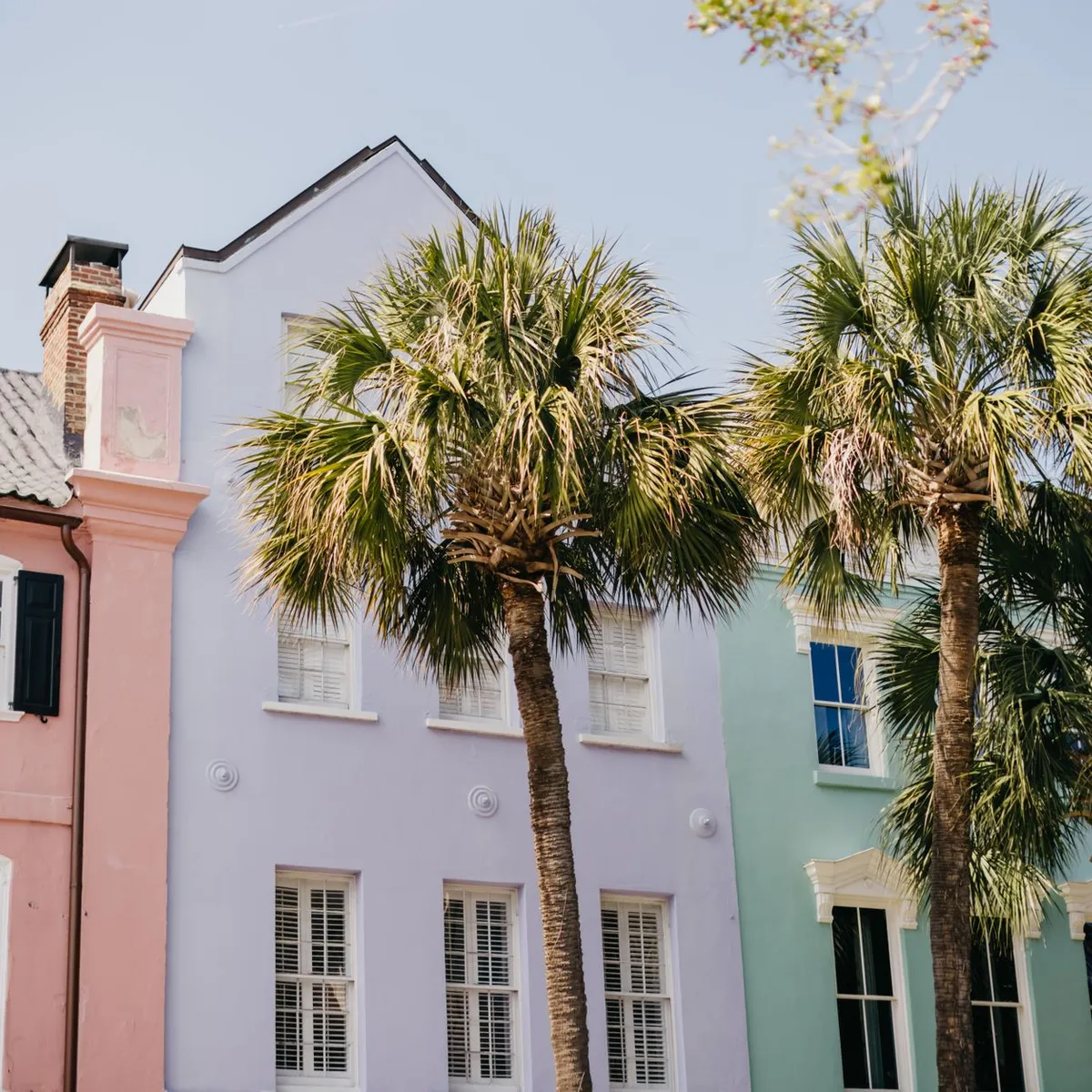
 Photo: Alyssa Rose / Pexels
Charleston
Charleston accessibility for wheelchair users
Compare Charleston by accessibility, transport, terrain, healthcare, cost, weather, laws, reviews, and community notes.
Charleston accessibility scores
Compare Charleston by accessibility, transport, terrain, healthcare, cost, weather, and laws. General stats use public data and models. Community rows reflect member reviews and votes.
General stats
National benchmarks and estimates — your experience in this city may differ.
Community
Starts from our estimate — thumbs up nudge toward Excellent, down toward Poor. Reviews use 1–5 stars.
These figures combine public statistics, models, and live weather where available. Every city is different — treat this as a guide, and share what you know in the Reviews & Corrections tab.
Profile last updated 6/30/2026.
Charleston wheelchair accessibility guide
Research Charleston for wheelchair users and caregivers: getting around, terrain, healthcare, costs, climate, accessible things to do, and practical caveats before booking.
Last updated 6/30/2026At a glance
Charleston is one of the stronger wheelchair-user candidates in this batch, mainly because the historic core is flat, visitor infrastructure is mature, and several major attractions publish accessibility information. The trade-off is cost: RollVenture’s row estimates living costs from ~$3,750/mo, with housing from ~$1,553/mo, so this is not a budget pick. The city’s overall accessibility score is high for this group, but the old peninsula still has brick, narrow sidewalks, uneven curb cuts, drainage dips, carriage-tour traffic, and summer heat that can make short distances feel longer. Treat it as a good short-stay or trial month city if you can afford central lodging and plan routes block by block.
Getting around
CARTA is the main public transit operator, and its Tel-A-Ride paratransit service is the key backup to check before depending on buses. For daily movement, staying on or near the peninsula reduces transfer risk. The airport, Mount Pleasant, and beach areas add distance and usually require a vehicle, rideshare, or confirmed accessible shuttle. Downtown sidewalks are generally present, but surfaces change quickly around historic streets, markets, churches, and waterfront approaches.
Terrain & mobility
The DB terrain profile is mostly flat, with a very low sampled grade and only about 22 m of elevation range. That is a genuine advantage. The bigger mobility issue is surface quality: the pavement profile is medium-confidence and includes asphalt, paving stones, and many untagged paths. Expect brick sidewalks, tree roots, curb lips, and puddling after heavy rain. Roll slowly around the French Quarter, South of Broad, and market area.
Healthcare & care
The local row lists nearby clinic leads from OpenStreetMap, including Access Urgent and Charleston Medical Clinic, and Charleston also has major hospital care through MUSC in the metro area. Confirm insurance, transfer equipment, and after-hours care before arrival. Home-care costs are estimated from ~$888/mo, so budget carefully if you need personal-care support.
Costs & housing
Charleston is expensive for the Southeast. Short-term rentals and hotels in the step-friendlier parts of downtown can price high, while cheaper outer areas increase transport planning. Ask for exact elevator dimensions, roll-in shower photos, bed height, threshold measurements, and backup power/AC details before booking.
Climate & comfort
Heat, humidity, thunderstorms, and hurricane-season disruptions are the main comfort risks. Summer outings should be early or indoor. Air-conditioning reliability matters, and historic buildings may have older elevators or tight bathrooms.
Accessible things to do
South Carolina Aquarium— publishes visitor accessibility information and is a strong indoor, weather-safe anchor near the waterfront.
The Charleston Museum— has an accessibility page and is a useful low-weather-risk stop for local history.
Fort Sumter visitor experience— the National Park Service publishes accessibility guidance; confirm ferry boarding, companion assistance, and fort-surface limits before choosing it.
Waterfront Park and the harborfront— a flat outdoor route with good payoff, but check paving, crowds, and heat.
Community & language
English is the working language. Charleston is tourism-oriented and service-heavy, which helps with booking questions, but accessibility answers can still be inconsistent in historic properties.
Would we recommend it?
Yes, with money and heat caveats. Charleston is one of the more promising U.S. historic-city options for a wheelchair user who wants culture, food, and flat terrain, but it needs careful lodging vetting and conservative route planning.
These figures combine public statistics, models, and live weather where available. Every city is different — treat this as a guide, and share what you know in the Reviews & Corrections tab.
Profile last updated 6/30/2026.
Reviews & corrections
Share your experience or suggest a data correction. Both appear publicly; admin updates official city scores and costs separately.
Log in to write a review or suggest a correction.
No reviews or corrections yet.