 Photo: Camel Min / Pexels
Dongguan
Dongguan accessibility for wheelchair users
Compare Dongguan by accessibility, transport, terrain, healthcare, cost, weather, laws, reviews, and community notes.
Dongguan accessibility scores
Compare Dongguan by accessibility, transport, terrain, healthcare, cost, weather, and laws. General stats use public data and models. Community rows reflect member reviews and votes.
General stats
National benchmarks and estimates — your experience in this city may differ.
Community
Starts from our estimate — thumbs up nudge toward Excellent, down toward Poor. Reviews use 1–5 stars.
These figures combine public statistics, models, and live weather where available. Every city is different — treat this as a guide, and share what you know in the Reviews & Corrections tab.
Profile last updated 6/30/2026.
Dongguan wheelchair accessibility guide
Research Dongguan for wheelchair users and caregivers: getting around, terrain, healthcare, costs, climate, accessible things to do, and practical caveats before booking.
Last updated 6/30/2026At a glance
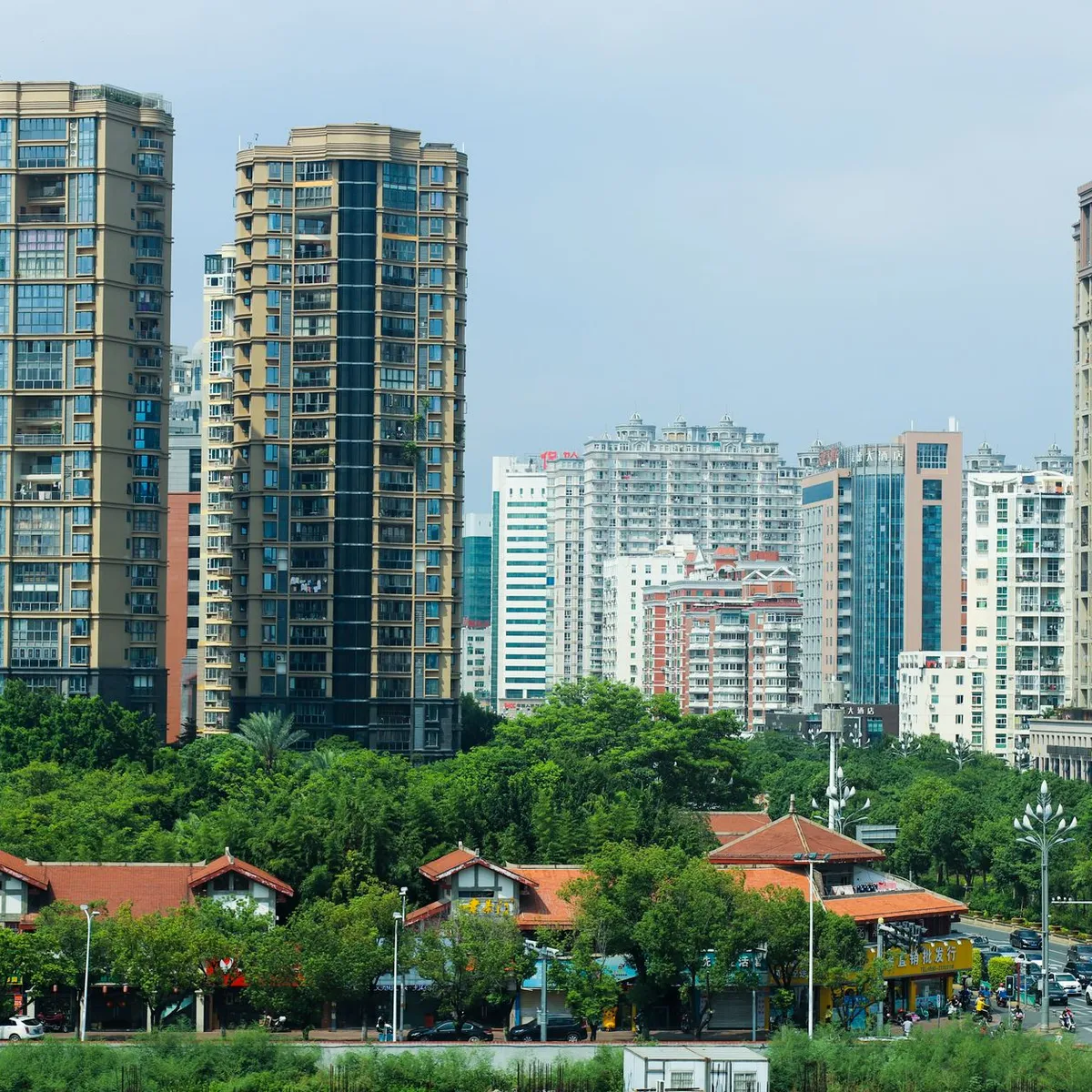
Dongguan is a huge Pearl River Delta manufacturing city between Guangzhou and Shenzhen. For a wheelchair user or slow walker, its best case is not the old-village lane network but the newer districts, lakeside parks, malls, and hotel corridors where step-free entrances, lifts, and vehicle drop-offs are easier to arrange. RollVenture's live row is positive on terrain: mostly flat, around 16 m average elevation, and only a 0.4% sampled maximum grade. The weaker point is verification: local pavement tags are low-confidence and mostly untagged, so treat curb cuts and sidewalk continuity as a block-by-block check rather than a guarantee.
Getting around
Use the metro, booked cars, and hotel-arranged taxis as the main mobility plan. Dongguan Rail Transit Line 2 is the backbone through Humen, Houjie, Nancheng, Dongcheng, and Dongguan railway connections, but station-lift status should be checked for the exact origin and exit before travel. For daily life, choose accommodation near a modern mall or metro station with obvious ramp/lift access, then keep trips short. Long cross-city taxi rides are common because Dongguan is polycentric.
Terrain & mobility
The city is physically flatter than many Chinese destinations, which helps with fatigue and manual-chair pushing. The catch is the urban fabric: broad roads, construction edges, industrial districts, and older village cores can create detours even when the map distance is short. Prioritize newer commercial areas, Songshan Lake, Dongcheng/Nancheng civic areas, and large malls; avoid assuming small restaurants, footbridges, or underpasses have working lifts.
Healthcare & care
The DB healthcare profile lists Houjie Hospital, Zhongtang Hospital, and other hospital or clinic leads from OpenStreetMap, but those entries should be treated as leads only. For serious care, verify the hospital's international-service capacity, step-free entrance, imaging access, and whether a companion can assist with transfers. Routine medicines and private clinics are easier than complex home-care setup; arrange bilingual support if you do not speak Mandarin or Cantonese.
Costs & housing
Use the database cost baseline as a planning floor: from ~$2,887/mo, with housing around ~$1,327/mo. Accessible housing quality will vary more than price. Ask for elevator dimensions, bathroom thresholds, shower layout, compound gate ramps, and photos of the exact route from street or garage to the unit. Serviced apartments near newer commercial districts are usually safer than older walk-up stock.
Climate & comfort
Dongguan is hot, humid, and rainy for much of the year. Summer heat and typhoon-season storms can make exposed transfers exhausting. Air-conditioned malls and metro-linked districts are useful rest points, but rainwater, tactile paving edges, and slick tile can slow chair users.
Accessible things to do
Songshan Lake scenic area— a flatter lakeside outing and one of the better candidates for step-free rolling, but confirm the chosen gate, toilets, and shuttle rules.
Keyuan Garden area— a classic Dongguan cultural stop; historic garden surfaces and thresholds mean it needs companion support and current access confirmation.
Humen Opium War Museum / Weiyuan Fort area— important history, best done by car with a driver waiting; verify ramps and internal route before committing.
Dongguan Central Square / civic district— useful for an easier outdoor roll near newer streets and malls, especially compared with dense village lanes.
Community & language
Mandarin is essential; Cantonese may also be heard locally. English support is limited outside international hotels, hospitals, and large businesses. A local assistant or bilingual driver materially improves access.
Would we recommend it?
Yes, cautiously, for users comfortable with China logistics and a car-plus-metro plan. Dongguan is flatter and cheaper than Shenzhen or Guangzhou, but accessibility verification is thin, so it is better for a planned base than for spontaneous independent rolling.
These figures combine public statistics, models, and live weather where available. Every city is different — treat this as a guide, and share what you know in the Reviews & Corrections tab.
Profile last updated 6/30/2026.