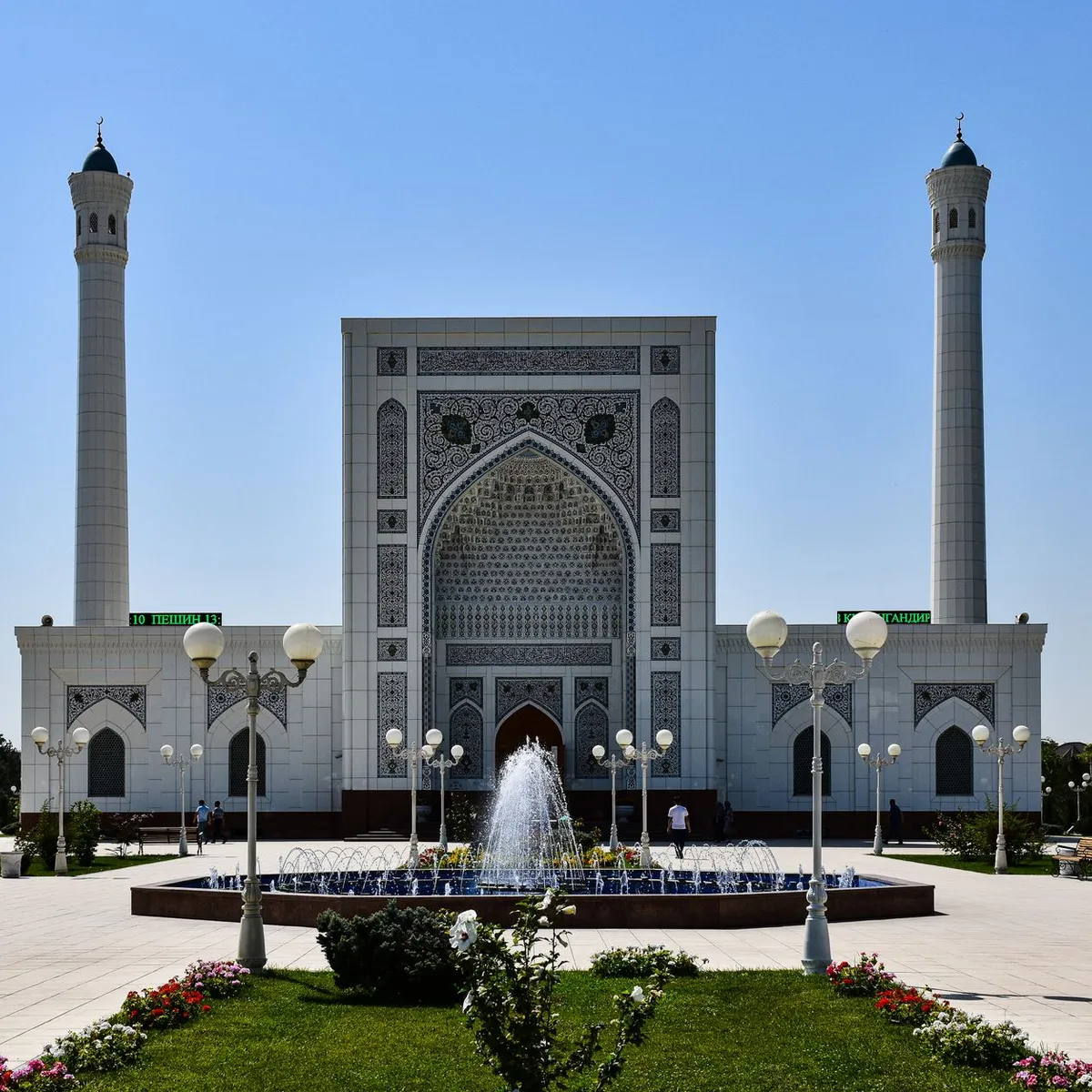
 Photo: AXP Photography / Pexels
Dushanbe
Dushanbe accessibility for wheelchair users
Compare Dushanbe by accessibility, transport, terrain, healthcare, cost, weather, laws, reviews, and community notes.
Dushanbe accessibility scores
Compare Dushanbe by accessibility, transport, terrain, healthcare, cost, weather, and laws. General stats use public data and models. Community rows reflect member reviews and votes.
General stats
National benchmarks and estimates — your experience in this city may differ.
Community
Starts from our estimate — thumbs up nudge toward Excellent, down toward Poor. Reviews use 1–5 stars.
These figures combine public statistics, models, and live weather where available. Every city is different — treat this as a guide, and share what you know in the Reviews & Corrections tab.
Profile last updated 7/1/2026.
Dushanbe wheelchair accessibility guide
Research Dushanbe for wheelchair users and caregivers: getting around, terrain, healthcare, costs, climate, accessible things to do, and practical caveats before booking.
Last updated 7/1/2026At a glance
Dushanbe is a low-cost Central Asian capital with a pleasant monumental core, but it is not an easy plug-and-play wheelchair base. RollVenture's live row rates costs from ~$2,276/mo, with low internet estimates and a low accessibility score. The city is useful for travelers who can arrange a helper, private transfers, and hotel checks in advance; independent curb-to-curb mobility will be harder.
The strongest practical upside is that several central sights sit along broad boulevards and parks rather than in a dense medieval old town. The biggest caution is terrain: the DB terrain profile labels the area mixed, with meaningful elevation variation, and the OSM pavement profile has low confidence with only a small share of tagged good surfaces.
Getting around
Plan around cars and short, pre-checked routes. Wikivoyage lists Dushanbe public transport and taxi options, but there is no dependable evidence here for step-free buses or metro-style access. For wheelchair users, assume private taxis or a hired driver will be the main method, and confirm trunk space, folding-chair fit, and door-to-door pickup points before travel.
Sidewalks on main avenues may be usable in places, but curb cuts and surface continuity should not be assumed. Keep daily plans clustered: Rudaki Avenue, central parks, museums, and hotel areas are more realistic than crisscrossing the city.
Terrain & mobility
Dushanbe is not flat enough to treat distance as the only factor. The database sample shows mixed terrain, max sampled grades around 8.1%, and only 52% flat samples. That makes manual-chair days tiring, especially around underpasses, ramps without landings, and side streets.
Use the OSM pavement data as a lead, not a promise: the profile is low-confidence, with many untagged ways. A power chair or scooter may help on longer boulevard sections, but battery range, curb drops, and secure indoor charging should be checked before booking.
Healthcare & care
The row lists several OSM hospital or clinic leads within roughly 3-5 km, including children's dental, maternity, and central health facilities. These are proximity leads only, not accessibility endorsements. Ask hotels or local contacts to identify wheelchair-usable entrances, English/Russian-speaking staff, and whether private clinics can arrange home visits.
For daily care, bring written medication names, reserve extra supplies, and do not rely on rapid equipment repair. A travel companion or local assistant is strongly recommended.
Costs & housing
The live cost estimate is from ~$2,276/mo, with housing around $1,184/mo. Treat this as a planning baseline rather than a quote. Accessible apartments should be verified by video: entrance step height, elevator width, bathroom turning space, shower threshold, bed height, and backup power for elevators all matter.
Hotels around the central boulevards may reduce transport friction. Ask for photos of the exact room and route from street to lobby; "accessible" can mean very different things locally.
Climate & comfort
Dushanbe has hot summers and cool winters. Heat makes long outdoor transfers harder, while winter precipitation can make ramps and uneven pavements more difficult. Spring and autumn are the easiest seasons for comfort. Build rest stops into park and museum days, and avoid assuming shade or accessible toilets will be available at every stop.
Accessible things to do
Rudaki Park— A central outdoor option with broad formal paths; verify current paving, curb cuts, and toilet access, but it is one of the more plausible low-barrier stops.
National Museum of Tajikistan— A major indoor cultural anchor listed by travel guides; contact ahead for entrance, elevator, and restroom details.
Flagpole and Palace of Nations area— Best treated as an outdoor photo-and-roll route along central avenues, with assistance for curb transitions.
Botanical Garden— Potentially useful for a slower day, but paths may vary; confirm surface conditions before committing.
Community & language
Tajik is official and Russian is widely useful in service settings. English should not be assumed outside hotels or tourism-facing operators. Disability rights protections and enforcement are limited in the DB summary, so local help matters more than formal guarantees.
Would we recommend it?
Recommend with caution for experienced travelers who can hire help and keep plans central. Dushanbe has rewarding parks and museums, but the terrain, low verified pavement data, and limited wheelchair transport evidence make it risky for fully independent wheelchair travel.
These figures combine public statistics, models, and live weather where available. Every city is different — treat this as a guide, and share what you know in the Reviews & Corrections tab.
Profile last updated 7/1/2026.
Reviews & corrections
Share your experience or suggest a data correction. Both appear publicly; admin updates official city scores and costs separately.
Log in to write a review or suggest a correction.
No reviews or corrections yet.