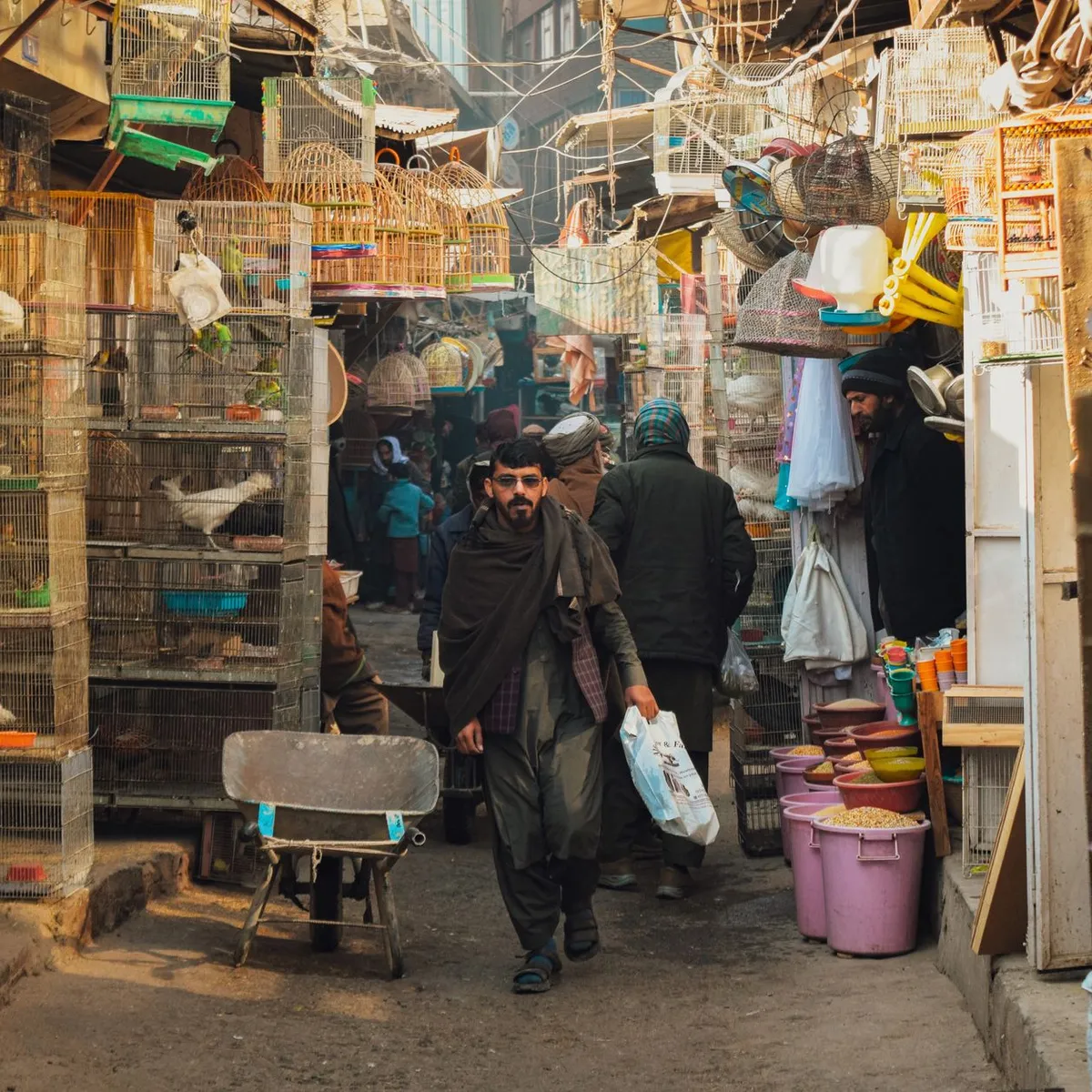
 Photo: Qasim Mirzaie / Pexels
Kunduz
Kunduz accessibility for wheelchair users
Compare Kunduz by accessibility, transport, terrain, healthcare, cost, weather, laws, reviews, and community notes.
Kunduz accessibility scores
Compare Kunduz by accessibility, transport, terrain, healthcare, cost, weather, and laws. General stats use public data and models. Community rows reflect member reviews and votes.
General stats
National benchmarks and estimates — your experience in this city may differ.
Community
Starts from our estimate — thumbs up nudge toward Excellent, down toward Poor. Reviews use 1–5 stars.
These figures combine public statistics, models, and live weather where available. Every city is different — treat this as a guide, and share what you know in the Reviews & Corrections tab.
Profile last updated 7/2/2026.
Kunduz wheelchair accessibility guide
Research Kunduz for wheelchair users and caregivers: getting around, terrain, healthcare, costs, climate, accessible things to do, and practical caveats before booking.
Last updated 7/2/2026At a glance
Kunduz is a provincial capital in northern Afghanistan, near the Kunduz and Khanabad river systems and connected by roads toward Taloqan, Baghlan, Mazar-i-Sharif, Imam Sahib, and Sher Khan Bandar. Wikipedia notes a domestic airport, markets, hospitals, mosques, universities, guesthouses, restaurants, and public parks. For wheelchair users, that civic role is useful, but the access environment remains difficult: low ramp availability, weak wheelchair transport, and inconsistent disability protections mean every practical detail needs confirmation before arrival.
Getting around
Do not assume accessible buses or ramped taxis. The safest plan is a private vehicle with a known driver, enough cargo space for the chair, and a helper who can manage transfers if needed. Roads connect Kunduz to several regional towns, but surface quality, traffic, and checkpoint delays can affect fatigue and medical planning. Keep daily routes short and cluster errands around one district.
Terrain & mobility
The city’s terrain is more forgiving than many Afghan highland cities: OpenTopoData labels the sample gently rolling, with a 2.1% maximum sampled grade and 138 m elevation range. The pavement data is less encouraging. The OSM sample is low-confidence and dominated by untagged, unpaved, gravel, and asphalt surfaces, with almost no clearly good surface tags. Expect dust, rough shoulders, missing curb cuts, and sudden level changes at shopfronts.
Healthcare & care
The stored healthcare profile lists Kunduz MSF Trauma Centre and the Kunduz Provincial Hospital as OpenStreetMap leads. Verify current operations, entrance access, language support, payment expectations, and whether the facility can handle catheter, pressure sore, respiratory, or transfer-related needs. Bring a written care plan and extra supplies. Home aid is estimated from ~$309/mo, but reliability depends on personal referrals.
Costs & housing
The database estimate is from ~$1,934/mo, with housing from about $1,020. Accessible housing is not something to book blind. Ask for video of the entrance, bathroom, bed height, water supply, generator or battery backup, and the path from vehicle drop-off to room. A ground-floor room with private washing space is much more important than a central location.
Climate & comfort
Kunduz has hot summers, cold winters, dust, and seasonal mud risk. Wheelchair users should plan for shade, drinking water, battery charging, and weatherproofing. Winter or wet-season travel can turn otherwise manageable unpaved sections into transfer hazards.
Accessible things to do
Kunduz University area— Wikipedia identifies Kunduz University in the city. Treat it as a possible civic landmark or meeting area, but ask a local contact to verify gates, ramps, toilets, and vehicle access.
Public parks and market streets— Wikipedia notes growing public parks and markets. These can be useful low-cost outings if a host pre-checks firm paths and quiet times.
Kunduz River / Khanabad River orientation— The city is described as near the river confluence. A vehicle-based scenic stop may be easier than a long roll; verify surfaces and safety locally.
Mosque/civic district visits— The city has many mosques and civic services. Only choose a specific mosque or public building after confirming step-free entry and whether a visitor using a wheelchair will be welcomed.
Community & language
Dari and Pashto are essential; English should not be expected outside specific professional settings. Family and host networks matter for transport, care, and medical decisions.
Would we recommend it?
Only for travelers with a strong local reason and dependable support. Kunduz has more services than surrounding rural areas, but wheelchair access remains fragile and security/logistics can outweigh the low cost base.
These figures combine public statistics, models, and live weather where available. Every city is different — treat this as a guide, and share what you know in the Reviews & Corrections tab.
Profile last updated 7/2/2026.