 Photo: Mohammad Husaini / Pexels
Baghlān
Baghlān accessibility for wheelchair users
Compare Baghlān by accessibility, transport, terrain, healthcare, cost, weather, laws, reviews, and community notes.
Baghlān accessibility scores
Compare Baghlān by accessibility, transport, terrain, healthcare, cost, weather, and laws. General stats use public data and models. Community rows reflect member reviews and votes.
General stats
National benchmarks and estimates — your experience in this city may differ.
Community
Starts from our estimate — thumbs up nudge toward Excellent, down toward Poor. Reviews use 1–5 stars.
These figures combine public statistics, models, and live weather where available. Every city is different — treat this as a guide, and share what you know in the Reviews & Corrections tab.
Profile last updated 7/1/2026.
Baghlān wheelchair accessibility guide
Research Baghlān for wheelchair users and caregivers: getting around, terrain, healthcare, costs, climate, accessible things to do, and practical caveats before booking.
Last updated 7/1/2026At a glance
Baghlān is a northern Afghan city in Baghlan Province, near the Kunduz River corridor and the broader northern Hindu Kush foothills. Wikipedia describes it as Baghlan-i-Markazi / Markazi Baghlan, with road links tied to the Afghanistan Ring Road and nearby Puli Khumri as an economic hub. For wheelchair users, this is a high-support, high-caution destination: RollVenture shows overall score 53 but accessibility score 36, very hilly terrain, and living costs from ~$1,945/mo with housing from ~$1,025/mo.
Getting around
Do not plan on independent public transport. Any visit should be built around a known driver, private vehicle, and local fixer who can check road conditions, security, checkpoints, and building access before each movement. The Ring Road connection may help intercity transfers, but road quality, weather, and security can change quickly. Confirm vehicle height, chair storage, and transfer help before arrival.
Terrain & mobility
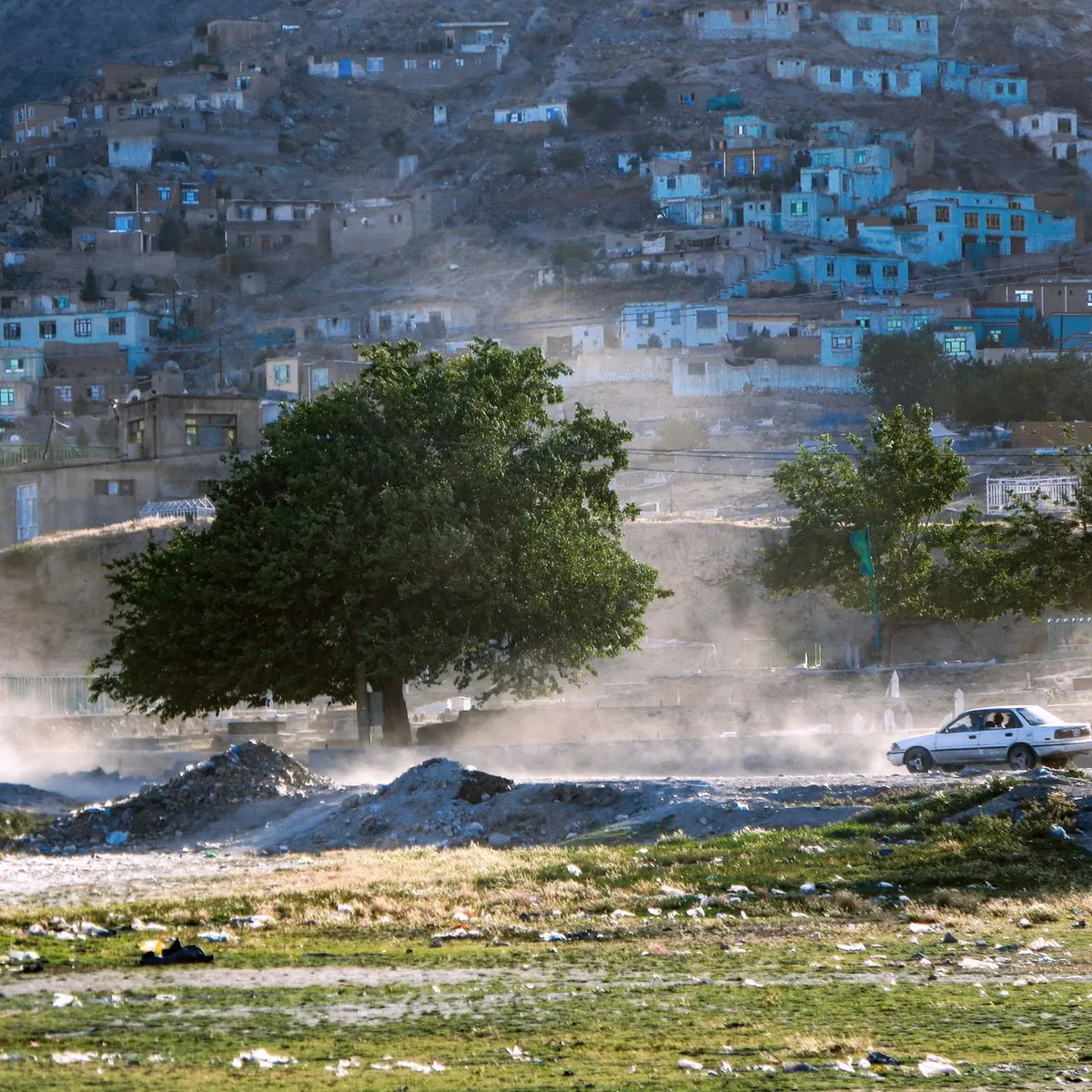
The DB terrain sample is difficult: very hilly, max grade around 15.2%, average elevation around 742 m, and a large elevation range. The pavement profile has high OSM confidence but shows 0% good mapped surfaces, with unpaved, ground, and untagged routes dominating. That combination means even short city movements can involve dust, loose surfaces, drainage cuts, and step entries. Manual wheelchair travel without assistance is not realistic.
Healthcare & care
The stored healthcare profile has one OSM lead, Central destrict hospital, about 7 km from the city center. Treat the spelling and access details as unverified OSM data. For any complex care, equipment repair, pressure-injury management, or medication continuity, make arrangements before travel through organizations already operating in northern Afghanistan. Carry paper medical notes in Dari/Pashto if possible.
Costs & housing
Budget from ~$1,945/mo overall, with housing from ~$1,025/mo, transport around ~$144/mo, medical around ~$112/mo, and home aid around ~$311/mo. These DB costs should not be read as accessible-living quotes. Step-free rooms, reliable power, private bathroom access, and safe vehicle storage may cost more or be unavailable. Verify every lodging claim with current photos.
Climate & comfort
Baghlan has hot summers, cold winters, dust, and mountain-influenced weather. Dust and unpaved routes can damage casters and batteries; winter cold adds circulation and battery-range issues. Build rest days into any schedule and keep spare tubes, charger adapters, and basic chair tools with you.
Accessible things to do
Central Baghlan market area— Use only as a driver-assisted, short-duration orientation stop; access depends on current street conditions and crowding.
Kunduz River corridor views— Wikipedia places Baghlan near the Kunduz River system; choose roadside viewpoints rather than rough paths, and stay with a local driver.
Puli Khumri day-transfer hub— Nearby Puli Khumri is the practical economic/road hub; useful for services or onward transport, not a guaranteed accessible attraction.
Local tea house / family-hosted visit— The safest social outing may be a pre-checked private venue with a flat entrance and accessible toilet plan, arranged by trusted local contacts.
Community & language
Dari and Pashto support are essential; English should not be assumed outside aid, business, or medical contacts. Disability services are likely informal. Security and gender norms can affect assistance, personal care, and public movement, so plan with local people who understand your access needs.
Would we recommend it?
Generally no for leisure wheelchair travel. Baghlan may be necessary for family, work, aid, or research, but it requires strong local support, security planning, private transport, and medical contingency. Independent access expectations would be unsafe here.
These figures combine public statistics, models, and live weather where available. Every city is different — treat this as a guide, and share what you know in the Reviews & Corrections tab.
Profile last updated 7/1/2026.