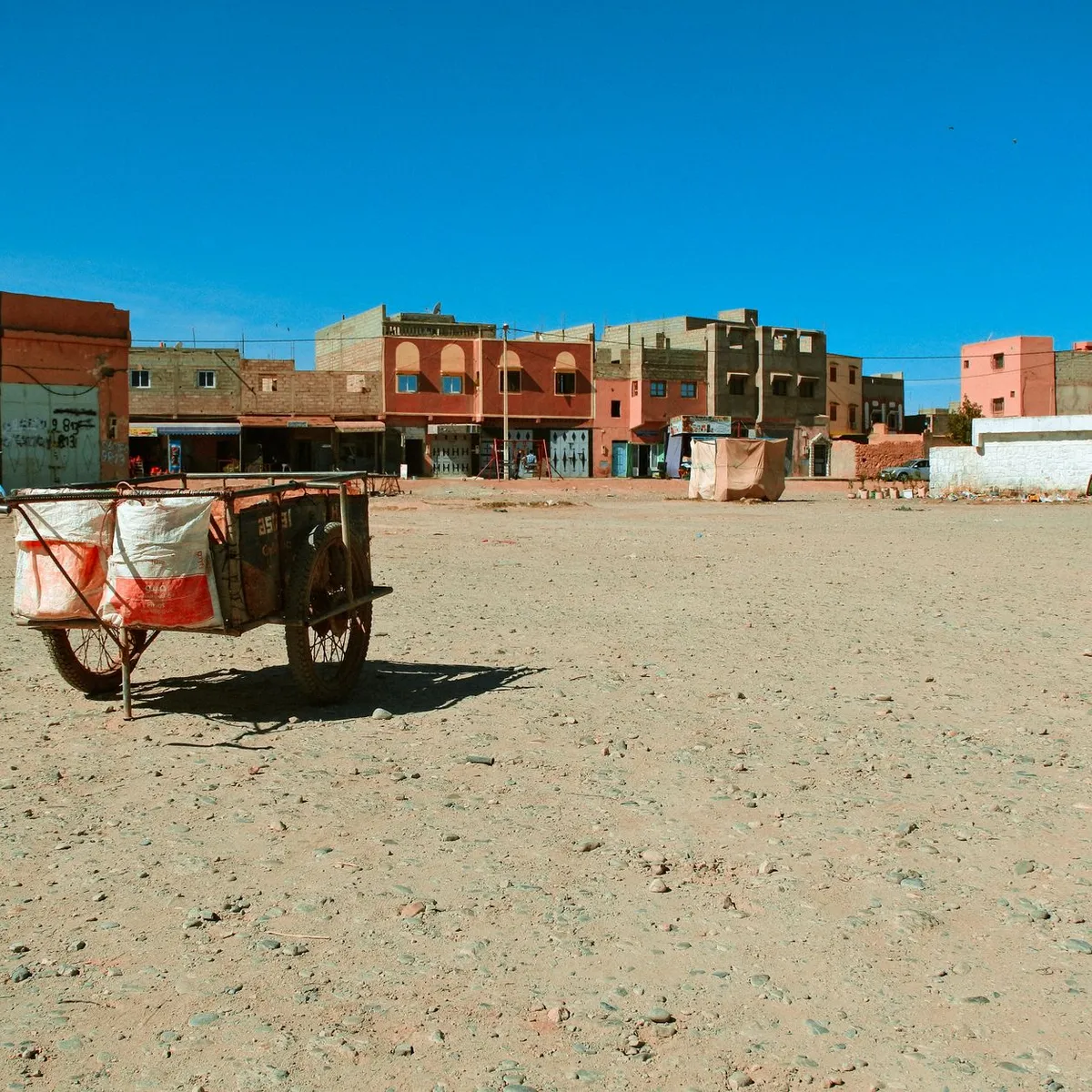
 Photo: Andre Manuel / Pexels
Gharyan
Gharyan accessibility for wheelchair users
Compare Gharyan by accessibility, transport, terrain, healthcare, cost, weather, laws, reviews, and community notes.
Gharyan accessibility scores
Compare Gharyan by accessibility, transport, terrain, healthcare, cost, weather, and laws. General stats use public data and models. Community rows reflect member reviews and votes.
General stats
National benchmarks and estimates — your experience in this city may differ.
Community
Starts from our estimate — thumbs up nudge toward Excellent, down toward Poor. Reviews use 1–5 stars.
These figures combine public statistics, models, and live weather where available. Every city is different — treat this as a guide, and share what you know in the Reviews & Corrections tab.
Profile last updated 7/1/2026.
Gharyan wheelchair accessibility guide
Research Gharyan for wheelchair users and caregivers: getting around, terrain, healthcare, costs, climate, accessible things to do, and practical caveats before booking.
Last updated 7/1/2026At a glance
Gharyan is a mountain city in northwestern Libya, set on the Jabal Nafusah escarpment south of Tripoli. For a wheelchair user or someone coordinating care, it is a high-friction base: the city has useful local hospitals and clinics in the RollVenture data, but the surrounding terrain is hilly, public accessibility information is thin, and Libya’s wider security situation makes independent travel difficult. Treat Gharyan as a “only with trusted local support” option, not a simple retirement or remote-work landing place.
The database cost estimate is from ~$2,305/mo, with housing around $1,195. That may look affordable, but the real planning cost is support: accessible accommodation, reliable private transport, backup power, medication continuity, and evacuation planning should be arranged before arrival.
Getting around
Do not assume step-free public transport. Gharyan works best with a pre-arranged vehicle, a driver who knows the specific streets and compounds, and a local contact who can call ahead in Arabic. The city’s central roads are usable by car, but sidewalks, curb cuts, and ramped entrances are inconsistent. If flying through Tripoli or another Libyan airport, confirm wheelchair assistance with the airline and ground handler before ticketing, then reconfirm again before travel.
For daily life, plan around short point-to-point transfers rather than spontaneous rolling. Ask hotels or landlords for photos of entrance thresholds, bathroom doors, shower access, elevator status, and generator availability.
Terrain & mobility
RollVenture’s terrain profile marks Gharyan as hilly, with sampled grades up to about 6.1% and an elevation range around 580 m. That means routes can change quickly from manageable to exhausting, especially in heat or after road works. The pavement profile is medium-confidence OSM data: asphalt exists, but untagged and unpaved segments are common enough that manual route checking matters.
A powerchair user should verify charging and repair options locally. Manual chair users should budget for assistance on slopes, broken shoulders, and market streets.
Healthcare & care
The DB healthcare profile lists several nearby leads, including Gharyan Central Teaching Hospital, smaller clinics, and Red Crescent-linked services, all framed as OSM leads rather than guaranteed accessible facilities. Call before relying on any site for ramps, lift access, imaging, specialist care, medication stock, or after-hours emergency intake.
For personal care, arrange bilingual support in advance. Do not assume agencies can provide trained home aides on short notice. Bring translated medical summaries and a backup plan for Tripoli-level care if the local hospital cannot meet the need.
Costs & housing
Use the DB estimate as a starting point only: from ~$2,305/mo total, with housing from ~$1,195. Accessible housing is the bottleneck. Many homes may have steps, narrow bathrooms, raised thresholds, or unreliable lifts. Ask for video walkthroughs from street to bed and bathroom, not just listing photos. If you need a roll-in shower, hoist space, or no-step entry, expect a longer search and possible renovation costs.
Climate & comfort
Gharyan’s elevation makes it cooler than the Libyan coast, but summers are still hot and dry. Heat, dust, and power reliability affect wheelchair batteries, pressure-care routines, and respiratory comfort. Winter can be cool, so heating and hot-water reliability matter too. Build errands around morning/evening windows and keep spare water, medication, and phone power during transfers.
Accessible things to do
Gharyan old-town and market area— Use as a short, driver-supported orientation route rather than a guaranteed step-free outing; verify street conditions and drop-off points locally.
Traditional troglodyte house visits— Gharyan is known for underground/earthen dwellings, but entrances are often stepped or uneven; only attempt with a guide who can inspect access first.
Jabal Nafusah viewpoint drives— Scenic drives can be more practical than walking routes; choose roadside viewpoints with safe pull-offs and avoid unverified tracks.
Qasr al-Haj day-trip planning— The fortified granary is a known regional heritage site, but it is outside Gharyan and likely uneven; treat it as a possible car-based cultural stop only after checking current security and access.
Community & language
Arabic is essential for services, drivers, clinics, and landlords. English may be limited outside formal travel or medical contacts. A local fixer or family contact changes the experience dramatically. Socially, expect hospitality, but not necessarily disability-aware infrastructure.
Would we recommend it?
Only for people with strong local support and a specific reason to be in Gharyan. The setting is culturally interesting and costs are moderate, but terrain, limited accessibility data, health-system uncertainty, and Libya’s security context make it a poor first-choice accessible base.
These figures combine public statistics, models, and live weather where available. Every city is different — treat this as a guide, and share what you know in the Reviews & Corrections tab.
Profile last updated 7/1/2026.