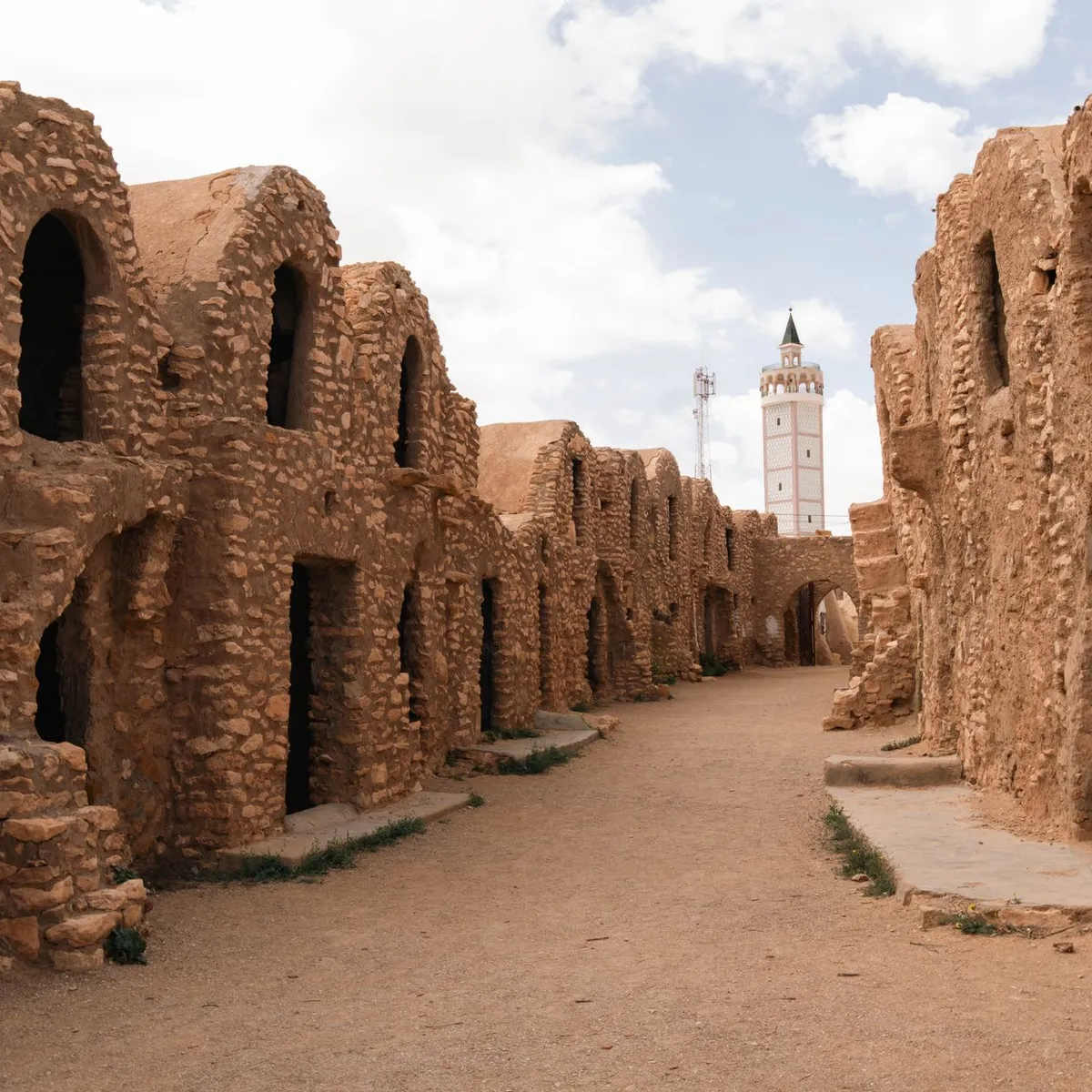
 Photo: Eleanore Stohner / Pexels
Şabrātah
Şabrātah accessibility for wheelchair users
Compare Şabrātah by accessibility, transport, terrain, healthcare, cost, weather, laws, reviews, and community notes.
Şabrātah accessibility scores
Compare Şabrātah by accessibility, transport, terrain, healthcare, cost, weather, and laws. General stats use public data and models. Community rows reflect member reviews and votes.
General stats
National benchmarks and estimates — your experience in this city may differ.
Community
Starts from our estimate — thumbs up nudge toward Excellent, down toward Poor. Reviews use 1–5 stars.
These figures combine public statistics, models, and live weather where available. Every city is different — treat this as a guide, and share what you know in the Reviews & Corrections tab.
Profile last updated 7/1/2026.
Şabrātah wheelchair accessibility guide
Research Şabrātah for wheelchair users and caregivers: getting around, terrain, healthcare, costs, climate, accessible things to do, and practical caveats before booking.
Last updated 7/1/2026At a glance
Şabrātah/Sabratha is a coastal Libyan town best known for the ancient Sabratha archaeological site and theatre. It has a good terrain profile in the DB, costs from ~$2,216/mo, and a stronger pavement score than many same-band cities, but Libya-specific travel risk and inconsistent accessibility make it a specialist destination. Wheelchair users should only consider it with trusted local arrangements and current security guidance.
Getting around
Use a private driver. Do not rely on public transport or spontaneous accessible taxis. If coming from Tripoli or another coastal base, confirm road conditions, checkpoints, vehicle space, and return timing. For the archaeological area, ask whether the vehicle can get close to the entrance and whether staff can advise on the least rough route.
Terrain & mobility
OpenTopodata labels the town mostly flat, with very low sampled grade and low elevation. The OSM pavement profile has high confidence and includes asphalt and paved surfaces, though unpaved segments remain. The ancient site is different: expect stone, uneven ground, steps, exposed sun, and limited accessible facilities.
Healthcare & care
OpenStreetMap leads include Libyan Red Crescent-related clinic services and the National Cancer Institute/Sabratha hospital area. Treat these as leads, not guarantees. Verify emergency access, operating status, medication availability, and whether your insurance or assistance provider can support care in Libya.
Costs & housing
The DB estimate is from ~$2,216/mo, with housing from ~$1,154/mo. Accessible lodging should be checked carefully by video: step-free entry, private bathroom dimensions, generator, water reliability, and secure parking. Security and support network may matter more than price. If choosing between a more central but older room and a newer edge-of-town property with parking and fewer steps, the newer property may be safer for transfers and evacuation.
Climate & comfort
The coast is hot, sunny, and exposed. Archaeological visits need shade planning, water, and short segments. Wind, dust, and rough stone can make manual wheelchair use tiring even where slopes are minimal. Start early, keep the visit short, and avoid planning the ruins as the only activity of the day; recovery time and vehicle air-conditioning are part of the access plan, not a luxury.
Accessible things to do
Sabratha Theatre— Wikipedia identifies the theatre as the iconic feature of Sabratha. Visit only with local guidance; wheelchair access is likely partial and surface-dependent.
Sabratha archaeological site— The UNESCO page was reachable only behind security verification in this run, while Wikipedia confirms the ancient site. Treat access as uneven ruins, not barrier-free tourism.
Sabratha Museum area— Wikipedia references museum material at the site; verify opening status, entrance steps, and interior access before going.
Coastal promenade / town seafront— A driver-assisted sea-view stop may be more accessible than the ruins, but inspect pavement and curb cuts on arrival.
Community & language
Arabic is essential for daily arrangements. Bring a local guide or fixer who can call venues, negotiate transport, and explain access needs.
Would we recommend it?
Only for experienced travelers with a specific archaeology interest and strong local support. The flat town profile helps, but site surfaces and broader Libya logistics make this a high-caution recommendation.
These figures combine public statistics, models, and live weather where available. Every city is different — treat this as a guide, and share what you know in the Reviews & Corrections tab.
Profile last updated 7/1/2026.