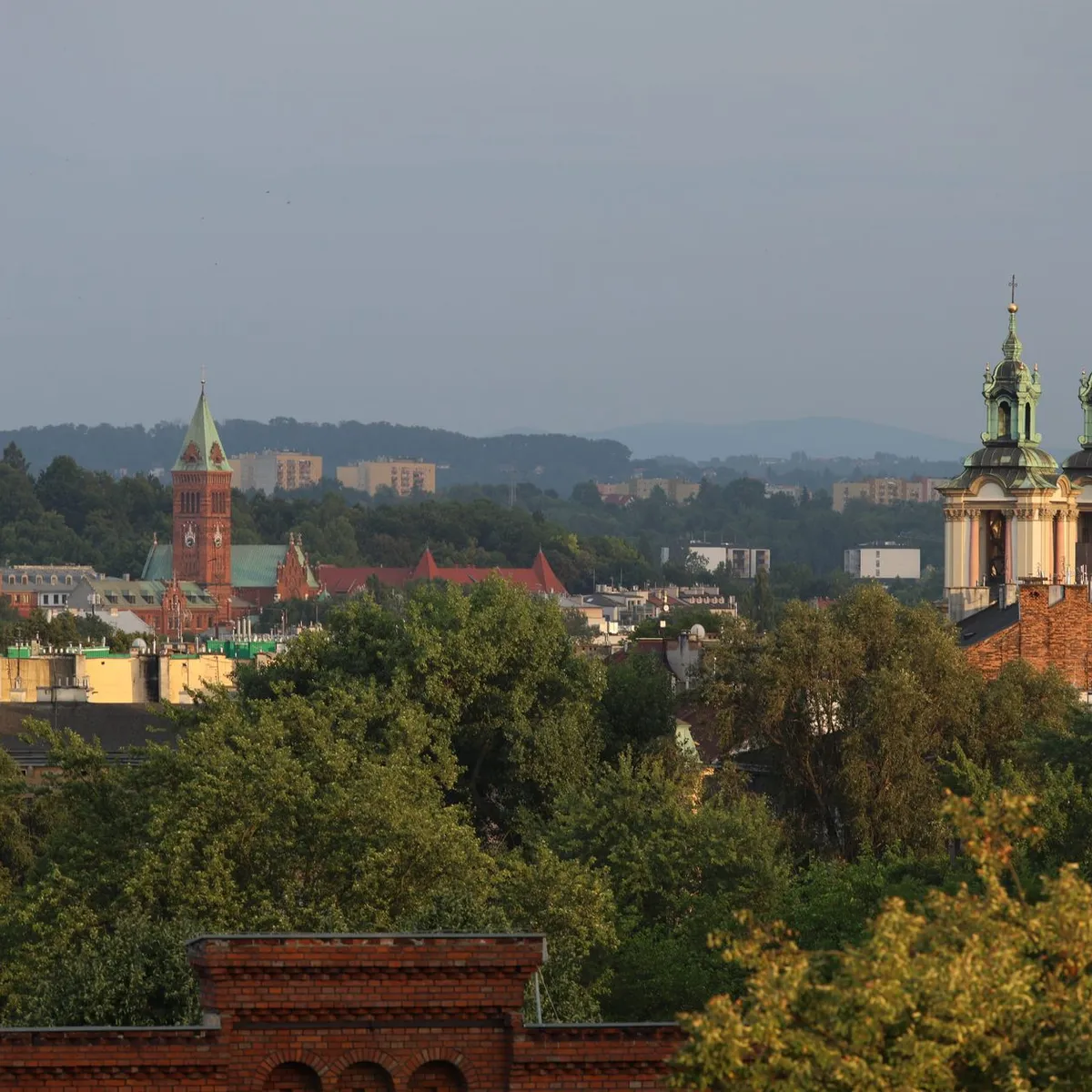
 Photo: Serhii Barkanov / Pexels
Gliwice
Gliwice accessibility for wheelchair users
Compare Gliwice by accessibility, transport, terrain, healthcare, cost, weather, laws, reviews, and community notes.
Gliwice accessibility scores
Compare Gliwice by accessibility, transport, terrain, healthcare, cost, weather, and laws. General stats use public data and models. Community rows reflect member reviews and votes.
General stats
National benchmarks and estimates — your experience in this city may differ.
Community
Starts from our estimate — thumbs up nudge toward Excellent, down toward Poor. Reviews use 1–5 stars.
These figures combine public statistics, models, and live weather where available. Every city is different — treat this as a guide, and share what you know in the Reviews & Corrections tab.
Profile last updated 6/30/2026.
Gliwice wheelchair accessibility guide
Research Gliwice for wheelchair users and caregivers: getting around, terrain, healthcare, costs, climate, accessible things to do, and practical caveats before booking.
Last updated 6/30/2026At a glance
Gliwice is a Silesian city with a compact centre, museum sites, parks, and strong connections to the wider Katowice metropolitan area. It is a practical European option rather than a resort destination. The RollVenture row estimates monthly living costs from ~$2,155/mo, shows gently rolling terrain, and has high-confidence OSM pavement data: 51% good surfaces and only 1% poor in the sample.
That does not make every heritage building accessible, but it gives wheelchair users a better baseline than many older European towns. The city is best for people who want affordability, urban services, and day-trip access across Upper Silesia.
Getting around
Gliwice is connected by rail and regional transport, but accessible routing must be checked by station and vehicle. For local movement, the centre is more manageable than car-oriented Gulf cities, though cobbles, tram works, kerbs, and winter conditions can still interrupt routes. Taxis are useful for late evenings, bad weather, or medical appointments.
If travelling across the Silesian metro area, verify elevators and low-floor vehicles for each leg rather than assuming a single regional standard.
Terrain & mobility
The terrain sample is gently rolling, with a modest elevation range. The stronger signal is pavement: OSM confidence is high, with asphalt, sett, and paving stones recorded. Sett and historic paving can be tiring in a manual chair even when technically passable. Choose routes through newer pavements where possible and allow extra time around the market square and museum entrances.
Housing checks should focus on older-building stairs, lift size, thresholds, and bathroom layout. Newer apartments outside the oldest core may be easier.
Healthcare & care
The OSM profile lists several healthcare leads, including Centrum Medyczne LUX MED, MentalMEDIC, Sanus, RegiMed, and Kardio-Med Silesia in the broader area. These entries are starting points; confirm wheelchair access, English-speaking staff, appointment availability, and specialist coverage. For hospital-level care, the wider Silesian region gives more backup options than a small standalone town.
Costs & housing
Use from ~$2,155/mo as the DB baseline, including housing from ~$801/mo. Gliwice can be cost-effective for Europe, but accessible apartments are a smaller subset. Ask for photos of the building entrance, lift, shower, toilet transfer side, and route from street to door. In winter, also ask who clears snow and ice around ramps.
Climate & comfort
Expect a Central European climate: warm summers, cold winters, rain, and possible snow or ice. Winter can be the biggest accessibility limiter because otherwise manageable paving becomes slippery. Indoor cultural stops and malls are useful in bad weather.
Accessible things to do
Gliwice Radio Station— The Gliwice Museum lists the radio station as one of its departments. It is an important historic site; confirm current step-free access before visiting the tower area or exhibitions.
Piast Castle / Gliwice Museum— A central museum anchor. Heritage-building constraints are possible, so check elevator and room access in advance.
Municipal Palm House— The city services site lists the Palmiarnia Miejska. It can be a good indoor/outdoor comfort stop; verify path widths, ramps, and accessible toilets.
Market Square and old town streets— A useful low-cost orientation route, but expect paving stones and occasional kerbs. Go slowly and choose smoother side streets when available.
Community & language
Polish is the default. English is more likely with younger residents, hotels, clinics, and university or museum staff. Written confirmation is useful for accessibility details.
Would we recommend it?
Yes. Gliwice is not barrier-free, but compared with many older cities it has useful terrain, good mapped surface data, regional healthcare access, and moderate costs. It is a strong “verify details, then go” candidate.
These figures combine public statistics, models, and live weather where available. Every city is different — treat this as a guide, and share what you know in the Reviews & Corrections tab.
Profile last updated 6/30/2026.
Reviews & corrections
Share your experience or suggest a data correction. Both appear publicly; admin updates official city scores and costs separately.
Log in to write a review or suggest a correction.
No reviews or corrections yet.