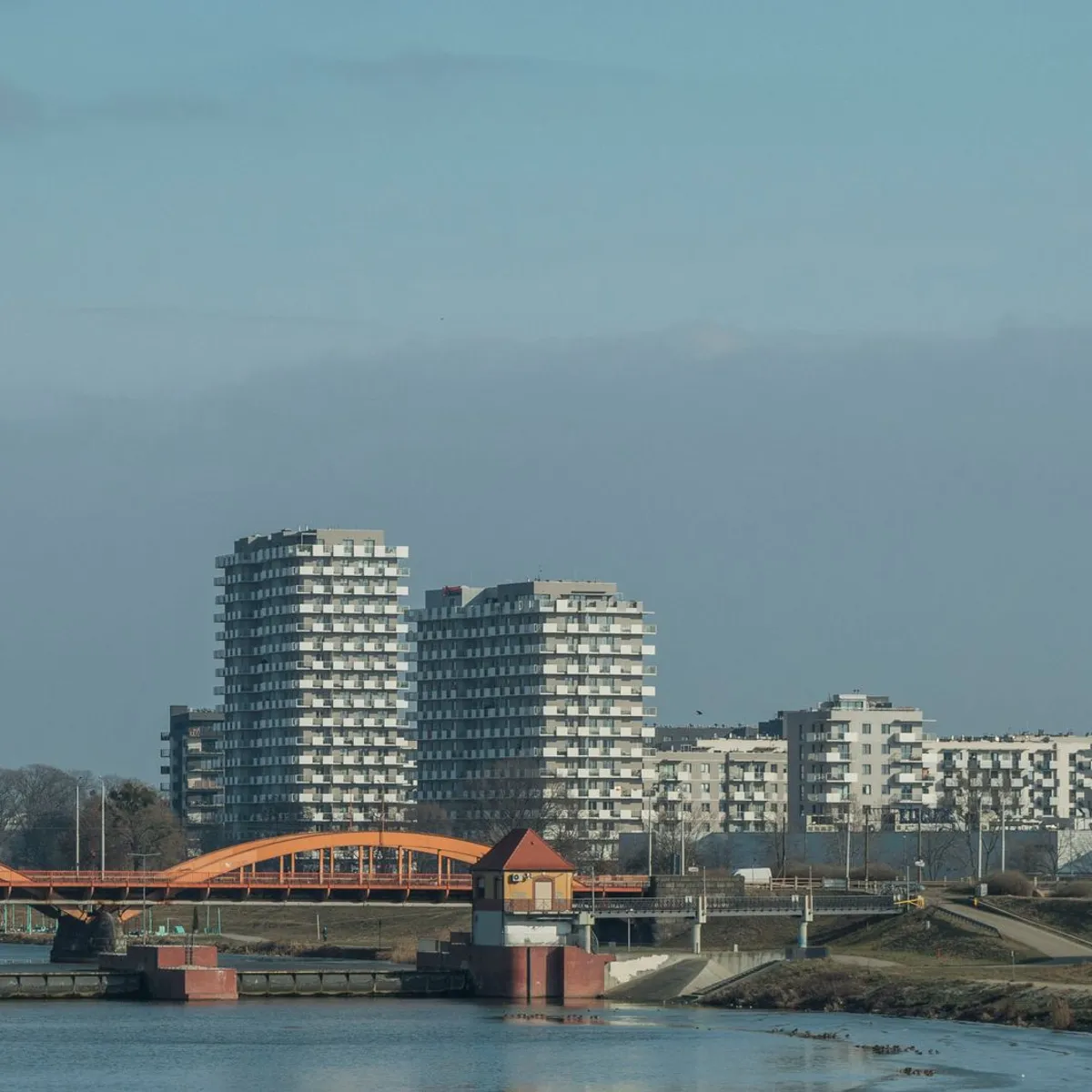
 Photo: SHOX ART / Pexels
Zabrze
Zabrze accessibility for wheelchair users
Compare Zabrze by accessibility, transport, terrain, healthcare, cost, weather, laws, reviews, and community notes.
Zabrze accessibility scores
Compare Zabrze by accessibility, transport, terrain, healthcare, cost, weather, and laws. General stats use public data and models. Community rows reflect member reviews and votes.
General stats
National benchmarks and estimates — your experience in this city may differ.
Community
Starts from our estimate — thumbs up nudge toward Excellent, down toward Poor. Reviews use 1–5 stars.
These figures combine public statistics, models, and live weather where available. Every city is different — treat this as a guide, and share what you know in the Reviews & Corrections tab.
Profile last updated 6/30/2026.
Zabrze wheelchair accessibility guide
Research Zabrze for wheelchair users and caregivers: getting around, terrain, healthcare, costs, climate, accessible things to do, and practical caveats before booking.
Last updated 6/30/2026At a glance
Zabrze is a practical Upper Silesian base with better everyday value than Poland's largest tourist cities, but it should be treated as a workaday industrial city rather than an easy-access resort. RollVenture's live row puts monthly costs from ~$2,238/mo and housing from ~$832/mo. The strongest local positives are a gently rolling terrain profile, high-confidence pavement data, and quick links into the wider Katowice/GZM metro area. The main cautions are uneven older surfaces, industrial sites where access varies by route, and the need to confirm lift/ramp details before booking any heritage attraction.
Getting around
Zabrze is part of the Upper Silesian metropolitan transport network, so buses and trams connect it with Gliwice, Katowice, Bytom, and nearby towns. Do not assume every stop or vehicle is step-free: use the operator's current trip planner, check low-floor symbols where available, and leave time for detours if a platform edge or curb is awkward. Taxis or pre-booked accessible transfers may be needed for late arrivals, medical appointments, or attractions away from central stops.
Terrain & mobility
The DB terrain profile labels Zabrze as gently rolling, with a modest 1.6% sampled max grade and high-confidence pavement sampling. That is encouraging for manual wheelchair users compared with hillier Polish cities. Still, the pavement profile includes asphalt, paving stones, setts, and untagged ways, so vibration and short rough stretches are realistic around older streets and heritage zones. In winter, snow, slush, and curb ramps hidden by parked cars can be a bigger barrier than slope.
Healthcare & care
OpenStreetMap leads in the row include Śląski Park Technologii Medycznych Kardio-Med Silesia and Sanus clinics, plus Szpital zakonu oo. Kamilianów farther out. Treat these as starting points only: call ahead for language, wheelchair entrance, lift, imaging access, and whether a companion can assist. For ongoing care, Zabrze also benefits from the dense Silesian medical market, but specialist appointments may still require travel to Katowice or Gliwice.
Costs & housing
Use the local cost row as a planning floor, not a guarantee: from ~$2,238/mo overall and from ~$832/mo for housing. The city can be good value if you find a newer block with elevator access, but older walk-ups and narrow bathrooms are common enough that video tours are not enough. Ask for exact elevator dimensions, threshold heights, bathroom turning space, and step-free route from street to flat.
Climate & comfort
Zabrze has a Central European climate: warm summers, cold winters, rain spread through the year, and occasional snow or ice. Air quality can fluctuate in the Silesian industrial region, so wheelchair users with respiratory conditions should check forecasts and avoid long outdoor transfers on poor-air days.
Accessible things to do
Guido Mine / Coal Mining Museum— the official museum site is active, but underground heritage routes can have strict access limits; contact the museum before assuming wheelchair suitability.
Queen Luiza Adit— another major mining-history site; verify the exact route, gradients, lifts, and evacuation rules before buying tickets.
Zabrze city centre and parks— useful for lower-effort days, with mostly urban surfaces but some setts and older curb cuts.
Silesian Metropolis day trips— Katowice and Gliwice expand museum, dining, and medical options, provided the chosen train/tram/bus route is confirmed step-free.
Community & language
Polish is the daily language. Younger staff and tourism offices may use English, but clinics, landlords, and transit staff may not. Keep written Polish notes for access needs, medication, and transfer requirements.
Would we recommend it?
Yes, cautiously, for budget-minded wheelchair users who want a practical Silesian base and can pre-check housing and attraction access. It is less compelling for travelers wanting guaranteed step-free sightseeing every day.
These figures combine public statistics, models, and live weather where available. Every city is different — treat this as a guide, and share what you know in the Reviews & Corrections tab.
Profile last updated 6/30/2026.