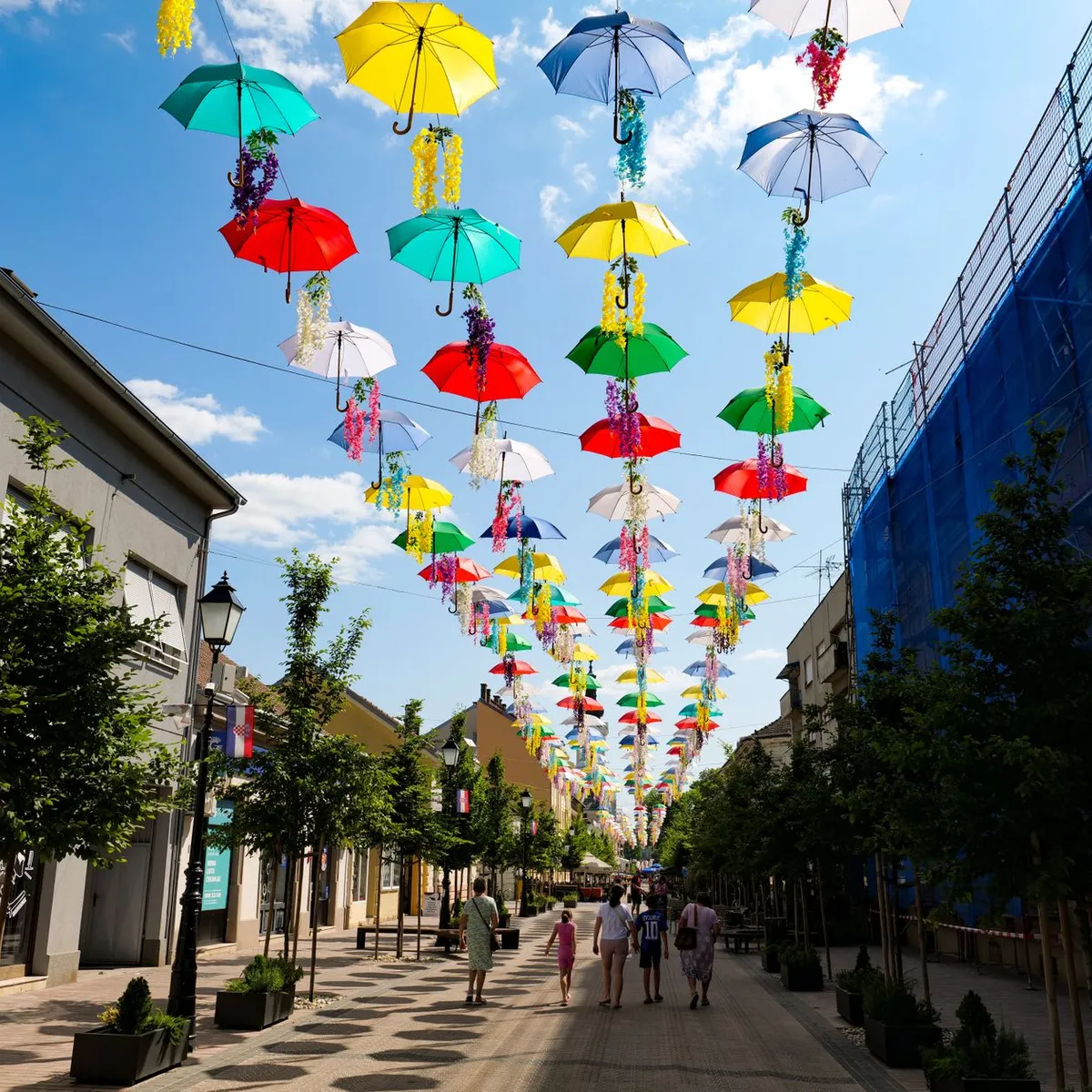
 Photo: Vladimir Srajber / Pexels
Győr
Győr accessibility for wheelchair users
Compare Győr by accessibility, transport, terrain, healthcare, cost, weather, laws, reviews, and community notes.
Győr accessibility scores
Compare Győr by accessibility, transport, terrain, healthcare, cost, weather, and laws. General stats use public data and models. Community rows reflect member reviews and votes.
General stats
National benchmarks and estimates — your experience in this city may differ.
Community
Starts from our estimate — thumbs up nudge toward Excellent, down toward Poor. Reviews use 1–5 stars.
These figures combine public statistics, models, and live weather where available. Every city is different — treat this as a guide, and share what you know in the Reviews & Corrections tab.
Profile last updated 6/30/2026.
Győr wheelchair accessibility guide
Research Győr for wheelchair users and caregivers: getting around, terrain, healthcare, costs, climate, accessible things to do, and practical caveats before booking.
Last updated 6/30/2026At a glance
Győr is a compact Hungarian river city between Budapest, Vienna, and Bratislava, with a Baroque old town, good regional rail/bus connections, and a live RollVenture score of 66 overall. Accessibility is mixed rather than effortless: the row gives 58 for accessibility and 59 for wheelchair transport, but the terrain and pavement profiles are better than many historic European centers. Estimated monthly living cost is from ~$2,258/mo, with housing from ~$937/mo.
Getting around
Research notes Győr’s main visitor sights are in and around the city centre, and the old town is largely walkable with pedestrian streets. The city has local buses, and intercity train/bus connections are one of its strengths. For wheelchair users, the practical plan is to stay near the old town or station, verify step-free access at the chosen accommodation, and use taxis for rainy days, late returns, or hospital visits. Confirm platform assistance and vehicle access before travel days.
Terrain & mobility
The DB terrain profile is gentle: average elevation about 119 m, 2.2% max sampled grade, 100% flat samples, and only 108 m elevation range. Pavement confidence is high, with 53% good tagged surfaces and dominant asphalt, paving stones, paved, and untagged ways. The caveat is the historic core: cobbles, older thresholds, narrow pavements, and bridge approaches can still slow wheelchair travel. The riverside setting is pleasant, but check ramp conditions after wet weather.
Healthcare & care
OpenStreetMap-derived healthcare leads include Petz Aladár Megyei Oktató Kórház, including an emergency-tagged hospital entry about 1.6 km from the centre, plus nearby clinics. Treat those as leads: confirm current emergency department entrance, accessible parking/drop-off, English or German support, specialist availability, and pharmacy options before relying on them. For personal care, Hungary may require advance private arrangements rather than same-day setup.
Costs & housing
The row estimates transport from ~$204/mo, medical from ~$131/mo, and home aid from ~$504/mo. Short-stay visitors should prioritize lift-served central apartments over cheaper outer options; older Baroque buildings may have stairs or small lifts. Ask for bathroom doorway width, shower type, bed height, lift measurements, and whether the route from street to room has thresholds.
Climate & comfort
Győr has a Central European climate: warm summers, cold winters, rain, and occasional snow or ice. Winter curb cuts and bridge paths may be less reliable; summer is more comfortable but can bring heat waves. For shoulder seasons, bring rain protection and plan indoor backup activities.
Accessible things to do
Győr Old Town and Széchenyi tér— a compact pedestrian historic centre; expect some paving-stone/cobble sections, but distances are manageable if your chair handles texture.
Basilica of Győr— a central landmark with major religious history. Verify step-free entrance and interior access before visiting, as older churches often have thresholds or side-door routes.
Bishop’s Castle and Palace / Káptalandomb— a key heritage cluster. Access can vary by tower, garden, and exhibition area, so treat it as partial-access unless confirmed directly.
Rába and Mosoni-Danube riverside bridges— the city’s river setting supports scenic, lower-cost routes; check bridge gradients and surface conditions before committing to a long loop.
Central Library and cultural spaces— useful bad-weather options near the centre, with more predictable urban access than some older monuments, but still confirm lift and toilet details.
Community & language
Hungarian is primary. English and German are more likely in hotels, tourism, and healthcare-adjacent services than in small shops. Győr’s student, industrial, and cross-border location makes it more internationally oriented than many towns of similar size.
Would we recommend it?
Yes, with planning. Győr is not perfectly step-free, but its flat terrain, central visitor cluster, medical leads, and strong regional connections make it one of the more workable mid-size cities in this batch.
These figures combine public statistics, models, and live weather where available. Every city is different — treat this as a guide, and share what you know in the Reviews & Corrections tab.
Profile last updated 6/30/2026.