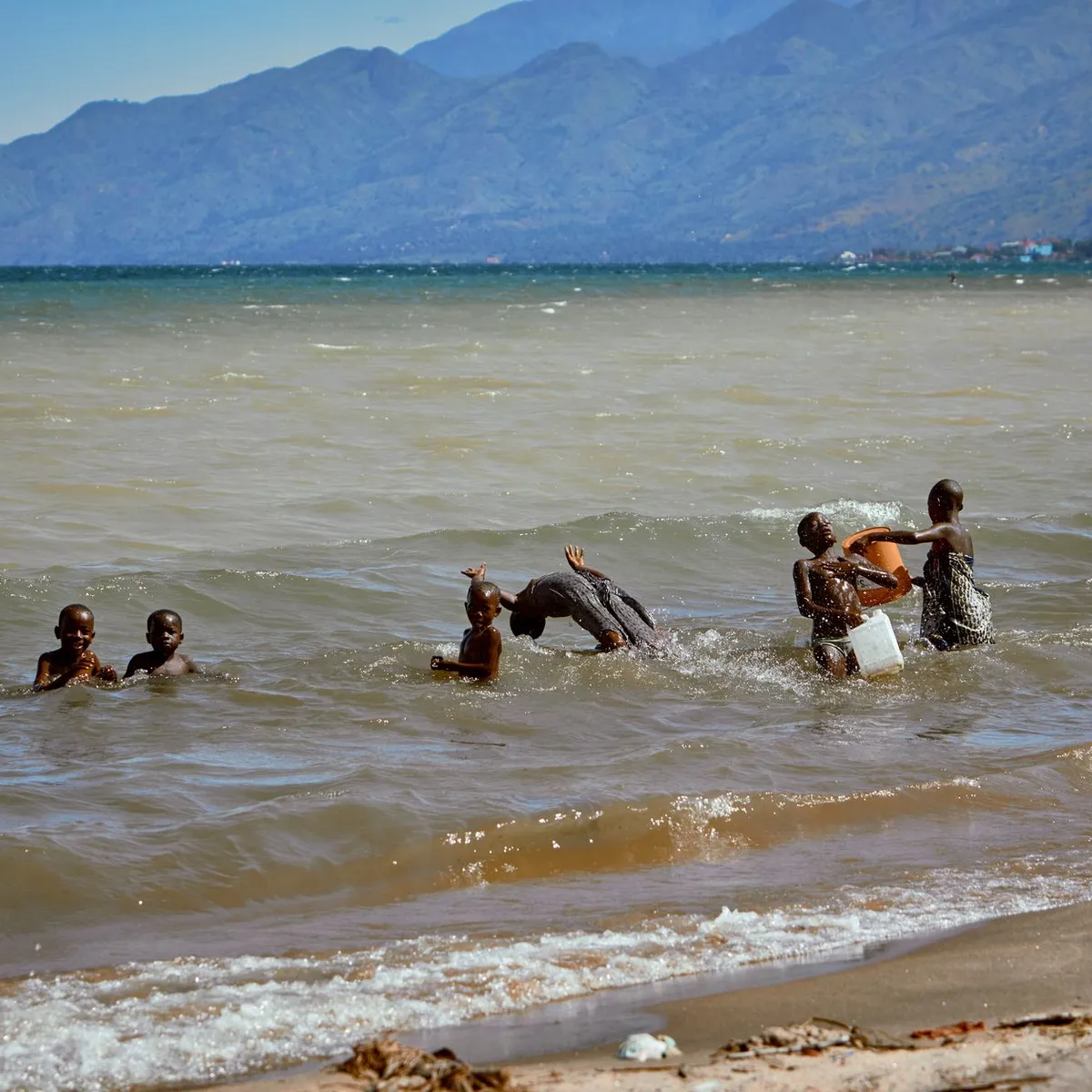
 Photo: Isaac Naph / Pexels
Gonaïves
Gonaïves accessibility for wheelchair users
Compare Gonaïves by accessibility, transport, terrain, healthcare, cost, weather, laws, reviews, and community notes.
Gonaïves accessibility scores
Compare Gonaïves by accessibility, transport, terrain, healthcare, cost, weather, and laws. General stats use public data and models. Community rows reflect member reviews and votes.
General stats
National benchmarks and estimates — your experience in this city may differ.
Community
Starts from our estimate — thumbs up nudge toward Excellent, down toward Poor. Reviews use 1–5 stars.
These figures combine public statistics, models, and live weather where available. Every city is different — treat this as a guide, and share what you know in the Reviews & Corrections tab.
Profile last updated 7/1/2026.
Gonaïves wheelchair accessibility guide
Research Gonaïves for wheelchair users and caregivers: getting around, terrain, healthcare, costs, climate, accessible things to do, and practical caveats before booking.
Last updated 7/1/2026At a glance
Gonaïves is a port city in Haiti’s Artibonite department, historically important as the place where Haitian independence was proclaimed. It is not an easy accessibility base. RollVenture’s profile shows moderate local healthcare leads and a mixed terrain/pavement picture, but Haiti’s broader security, fuel, infrastructure, and healthcare pressures mean a wheelchair user needs a careful support plan before considering a stay.
The DB cost estimate is from ~$3,277/mo, including housing around $1,656. That figure should be treated cautiously: the practical cost may rise quickly if you need private transport, generator-backed accommodation, imported medication, or a caregiver who can reliably travel.
Getting around
Do not count on accessible public transport. Movement is best planned around trusted private vehicles, known drivers, and daylight-only transfers. Sidewalk continuity, curb ramps, and smooth pavement cannot be assumed. Flooding and storm damage can also change road conditions quickly, especially near low-lying areas.
For airport access, most international arrivals route through Port-au-Prince or Cap-Haïtien, then onward by road; both the air and road legs need current security checks and assistance confirmation. For local errands, cluster appointments and verify every destination’s entrance before leaving.
Terrain & mobility
The terrain data labels Gonaïves as mixed, with sampled grades up to about 9.4% and a large elevation range around the city. Some central/coastal routes may feel flatter, while edges and inland approaches can be more demanding. The OSM pavement profile has medium confidence and includes dirt, gravel, paved, and untagged surfaces. That combination suggests route-by-route inspection, not citywide confidence.
A manual wheelchair user should expect help over broken pavement and drainage edges. A powerchair user should check charging reliability and keep a transport backup for battery or tire problems.
Healthcare & care
RollVenture’s OSM-derived healthcare leads include Hôpital La Providence, Hospital Raboteau, Hospital Docteur Baudin, and other clinics. Treat these as leads, not guarantees of accessible entry, specialist care, or equipment. Call ahead for ramp access, emergency services, imaging, medication availability, and referral options.
For personal assistance, line up care before arrival. Haiti’s health system can be strained, and supply interruptions can affect medications, dressings, catheter supplies, and mobility-equipment repair.
Costs & housing
The DB estimate is from ~$3,277/mo, with housing from ~$1,656. Accessible rentals are likely to require extra verification: no-step entry, bathroom width, water storage, generator or battery backup, secure parking, and proximity to a clinic. Ask for video of the exact entrance path from street to room and bathroom. A cheaper unit without reliable access or power can become expensive quickly.
Climate & comfort
Gonaïves is hot, humid, and exposed to tropical weather. Heat management, hydration, pressure care, and mosquito protection matter year-round. Hurricane-season planning is essential: identify a safer building, backup water, backup power, and a transport plan before storms.
Accessible things to do
Place d’Armes / independence-history area— A historically meaningful central orientation point; verify pavement, security, and drop-off conditions the same day.
Hôpital La Providence area services check— Not a leisure attraction, but a practical first outing to confirm emergency routes and clinic access before settling in.
Gonaïves waterfront drive— A car-based route can offer context without requiring long rolling distances; avoid isolated stops and check road/security conditions.
Artibonite Valley day-route planning— The region is important agriculturally and culturally, but outings should be private-driver, daylight-only, and checked for road safety.
Community & language
Haitian Creole is the everyday language; French is useful in official/medical settings, and English is less reliable. Local relationships matter for safe transport, repairs, and healthcare navigation. Disability attitudes may be supportive personally, but infrastructure is not consistently designed for independent access.
Would we recommend it?
Not as a general accessible relocation choice. Gonaïves has history, community, and some local healthcare leads, but security, infrastructure, climate risk, and limited accessibility information make it suitable only for people with a strong local network and a clear reason to be there.
These figures combine public statistics, models, and live weather where available. Every city is different — treat this as a guide, and share what you know in the Reviews & Corrections tab.
Profile last updated 7/1/2026.
Reviews & corrections
Share your experience or suggest a data correction. Both appear publicly; admin updates official city scores and costs separately.
Log in to write a review or suggest a correction.
No reviews or corrections yet.