 Photo: Rodrigo Mutal / Pexels
Granada
Granada accessibility for wheelchair users
Compare Granada by accessibility, transport, terrain, healthcare, cost, weather, laws, reviews, and community notes.
Granada accessibility scores
Compare Granada by accessibility, transport, terrain, healthcare, cost, weather, and laws. General stats use public data and models. Community rows reflect member reviews and votes.
General stats
National benchmarks and estimates — your experience in this city may differ.
Community
Starts from our estimate — thumbs up nudge toward Excellent, down toward Poor. Reviews use 1–5 stars.
These figures combine public statistics, models, and live weather where available. Every city is different — treat this as a guide, and share what you know in the Reviews & Corrections tab.
Profile last updated 6/30/2026.
Granada wheelchair accessibility guide
Research Granada for wheelchair users and caregivers: getting around, terrain, healthcare, costs, climate, accessible things to do, and practical caveats before booking.
Last updated 6/30/2026At a glance
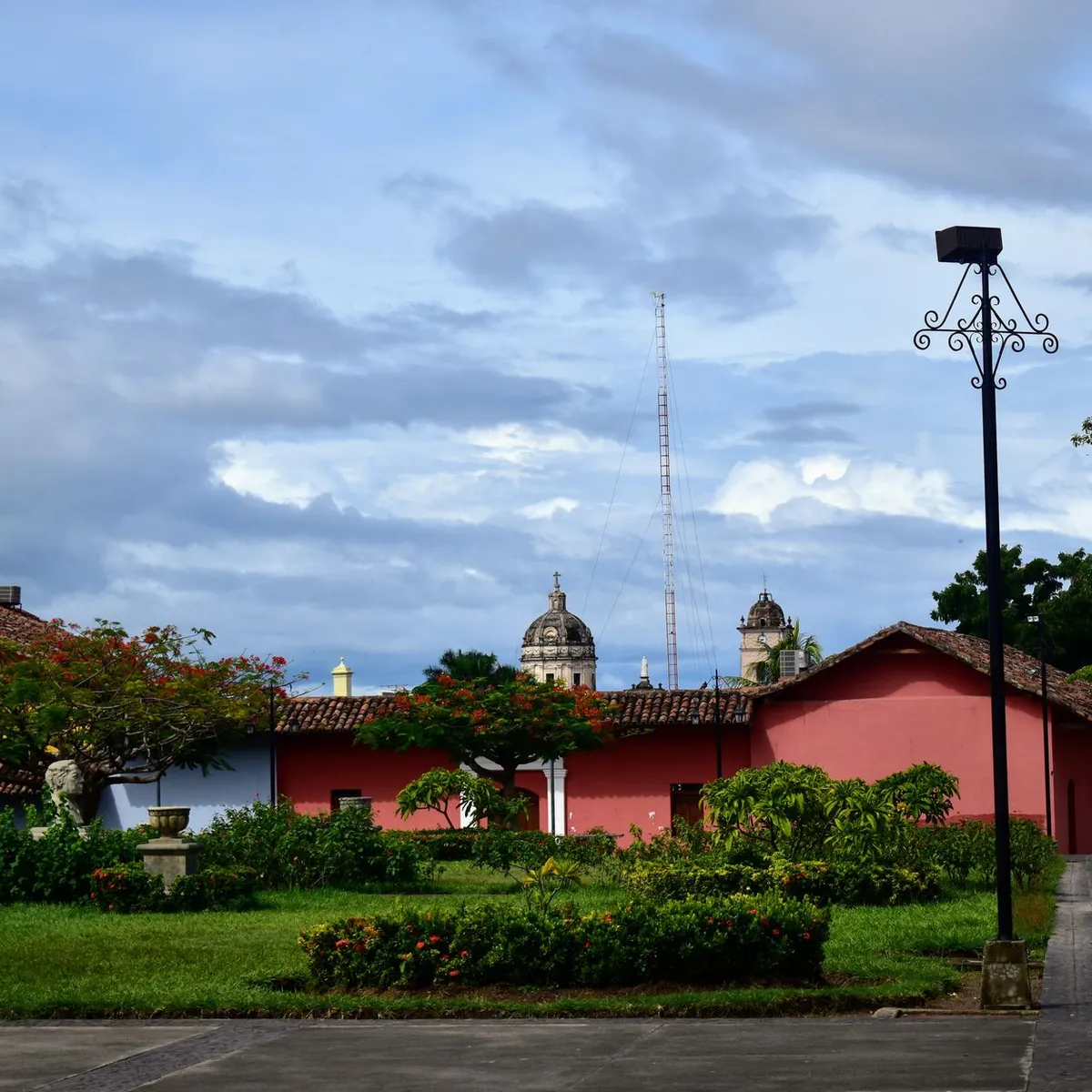
Granada is one of Nicaragua’s main colonial visitor bases, set beside Lake Nicaragua with a compact center around Parque Colón and the cathedral. For a wheelchair user, it is attractive but not easy: the city’s draw is old streets, plaza edges, churches, lake excursions, and day trips, while the surface reality is mixed paving, curb gaps, heat, and limited formal accessibility information. RollVenture’s live row shows a mixed terrain profile, high OSM surface confidence, and costs from about ~$2,770/mo, so plan Granada as a supported, slow-travel base rather than an independent roll-anywhere city.
Getting around
Most visitors arrive by road from Managua. Within Granada, taxis and private drivers are more realistic than expecting accessible public transport; ask for a vehicle that can take a folded chair and confirm door-to-door pickup because curb cuts are inconsistent. The central plaza, cathedral frontage, Calle La Calzada, and lakeside route can be done in short sections, but choose hotels close to the center to reduce transfers over rough blocks.
Terrain & mobility
The DB terrain profile marks Granada as “Mixed,” with only 72% flat samples and a meaningful elevation range. The pavement profile shows a real mix of asphalt, paving stones, unpaved stretches, and poor surfaces. In practical terms, expect colonial thresholds, uneven sidewalks, drainage lips, scooters, street vendors, and blocks where rolling in the roadway is tempting but not comfortable. A power chair or a manual chair with a strong companion will cope better than a solo lightweight chair.
Healthcare & care
The live healthcare profile lists several nearby private clinics, including Policlinico Central, Clínica Alabama-Granada, Clínica San Pablo, and women’s health clinic Vida Plena, all from OSM leads rather than access-audited sources. Use these as starting points only. For complex care, verify Managua options before committing to a stay, keep prescriptions documented in Spanish, and pre-arrange any personal-care support through accommodation or a local fixer.
Costs & housing
Use the DB estimate as the guide: living costs from ~$2,770/mo, housing from ~$1,417/mo, transport from ~$204/mo, medical from ~$150/mo, and home aid from ~$504/mo. Accessible housing is the harder variable. Colonial hotels may advertise charm but still have steps, narrow bathrooms, interior courtyards, or upstairs rooms. Ask for step-free entry photos, bathroom door width, shower type, bed height, and generator/air-conditioning reliability.
Climate & comfort
Granada is hot, humid, and often draining in the middle of the day. Plan morning and late-afternoon movement, carry water, and build indoor cooling breaks into every outing. Rain can turn gaps, ramps, and lakeside surfaces slippery, so wet-season itineraries should be conservative.
Accessible things to do
Parque Colón and the cathedral exterior— the official Nicaragua tourism page places many city sights around the central park, making this the most practical orientation point; verify curb approaches before rolling independently.
Calle La Calzada— a central visitor street listed by Nicaragua tourism; useful for short, flat-ish dining strolls, but check paving and vehicle access block by block.
Museo Convento San Francisco— listed by the tourism board; treat access as uncertain because old convent buildings often include thresholds and interior level changes.
Isletas de Granada— the official tourism page lists the islets; boat boarding is the access risk, so only book with an operator willing to describe dock height, chair handling, shade, and transfer support.
Fortaleza La Pólvora / Xalteva area— listed heritage sights; worthwhile as exterior/photo stops if your driver can stop close to the entrance.
Community & language
Spanish is essential for taxis, clinics, and housing checks. Tourism staff may handle basic English, but accessibility-specific questions are clearer with photos and simple Spanish phrases. Local help matters: one reliable driver can make Granada workable.
Would we recommend it?
Yes, cautiously, for experienced travelers who want colonial atmosphere and can arrange transport and lodging carefully. We would not recommend Granada for a first independent wheelchair trip in Central America.
These figures combine public statistics, models, and live weather where available. Every city is different — treat this as a guide, and share what you know in the Reviews & Corrections tab.
Profile last updated 6/30/2026.
Reviews & corrections
Share your experience or suggest a data correction. Both appear publicly; admin updates official city scores and costs separately.
Log in to write a review or suggest a correction.
No reviews or corrections yet.