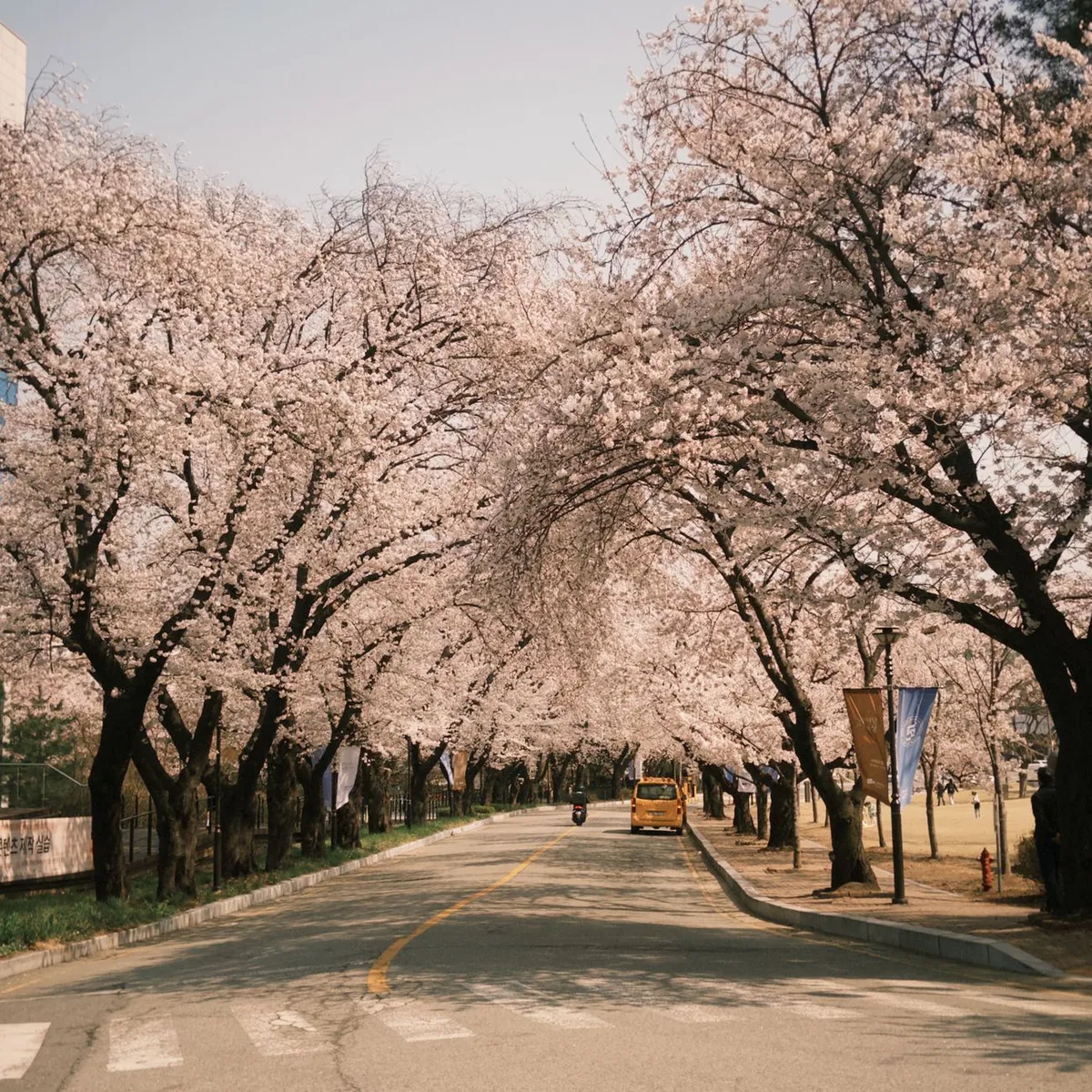
 Photo: Lala Mammadova / Pexels
Gyeongsan-si
Gyeongsan-si accessibility for wheelchair users
Compare Gyeongsan-si by accessibility, transport, terrain, healthcare, cost, weather, laws, reviews, and community notes.
Gyeongsan-si accessibility scores
Compare Gyeongsan-si by accessibility, transport, terrain, healthcare, cost, weather, and laws. General stats use public data and models. Community rows reflect member reviews and votes.
General stats
National benchmarks and estimates — your experience in this city may differ.
Community
Starts from our estimate — thumbs up nudge toward Excellent, down toward Poor. Reviews use 1–5 stars.
These figures combine public statistics, models, and live weather where available. Every city is different — treat this as a guide, and share what you know in the Reviews & Corrections tab.
Profile last updated 7/2/2026.
Gyeongsan-si wheelchair accessibility guide
Research Gyeongsan-si for wheelchair users and caregivers: getting around, terrain, healthcare, costs, climate, accessible things to do, and practical caveats before booking.
Last updated 7/2/2026At a glance
Gyeongsan-si is a university-and-commuter city just east of Daegu. For a wheelchair user, its biggest advantage is connection to the Daegu urban area, while its biggest drawback is terrain: RollVenture's live profile marks the city as mixed and hilly, with a low-confidence pavement sample and only modest tagged surface detail. Treat it as a practical base only if you can choose housing near a station, hospital, campus, or flat commercial street. Budget from ~$2,435/mo, with housing from ~$860/mo.
Getting around
Gyeongsan is best approached as part of the Daegu transit region. Daegu Metro Line 2 reaches the Gyeongsan side of the metro area, and intercity rail/bus connections exist, but station elevator status, platform gaps, and staff assistance should be checked close to travel. Taxis may be easier for medical appointments or hills, but wheelchair-accessible vehicles should be booked rather than assumed.
Terrain & mobility
The city is not flat: the DB terrain profile shows mixed terrain, an average elevation around 194 m, and sampled grades up to about 8.5%. Sidewalk quality is uncertain because most sampled ways were untagged in OSM. Expect usable modern blocks around campuses, stations, hospitals, and newer apartment areas, but plan for slopes, curb cuts that disappear, and long detours around underpasses.
Healthcare & care
OSM lists several clinics and hospital-type facilities within a few kilometres, including Korean-medicine clinics and internal-medicine providers near the Daegu edge. Treat these as leads, not guaranteed accessible clinics. For serious care, many visitors will look toward larger Daegu hospitals, confirming interpreter support, accessible parking/drop-off, and whether a companion can assist with transfers.
Costs & housing
The cost score is moderate for South Korea. Housing is cheaper than central Seoul but accessible apartments still need inspection: verify elevator size, entrance thresholds, bathroom turning space, heating controls, and slope from the nearest station. If personal care is needed, budget separately and arrange Korean-language help in advance.
Climate & comfort
Winters are cool, with some snow days; summers are hot, humid, and rainy, especially July to September. Wet curb ramps and steep campus roads can make short distances feel much harder. Spring and autumn are the most comfortable seasons for scouting housing and testing routes.
Accessible things to do
Yeungnam University area— a useful low-risk outing if you choose campus-adjacent routes, but confirm individual museum/building access before going.
Samsunghyeon History and Culture Park— a culture/history anchor for Gyeongsan; use it as a planned taxi outing and verify accessible restrooms and slopes.
Daegu Metro Line 2 station-area trips— practical for reaching Daegu museums, food streets, and services; check elevator status on both origin and destination stations.
Gyeongsan market and central commercial streets— good for daily-life testing, though curb cuts, crowding, and delivery scooters may be the main barriers.
Community & language
English is limited outside university or tourist settings. Translation apps, written addresses in Korean, and a local helper for clinics or housing visits will make the city much easier.
Would we recommend it?
Maybe, for someone who wants a quieter Daegu-area base and can secure a station-adjacent apartment. We would not recommend arriving without a local contact, accessible transport plan, and a tested medical-care route.
These figures combine public statistics, models, and live weather where available. Every city is different — treat this as a guide, and share what you know in the Reviews & Corrections tab.
Profile last updated 7/2/2026.
Reviews & corrections
Share your experience or suggest a data correction. Both appear publicly; admin updates official city scores and costs separately.
Log in to write a review or suggest a correction.
No reviews or corrections yet.