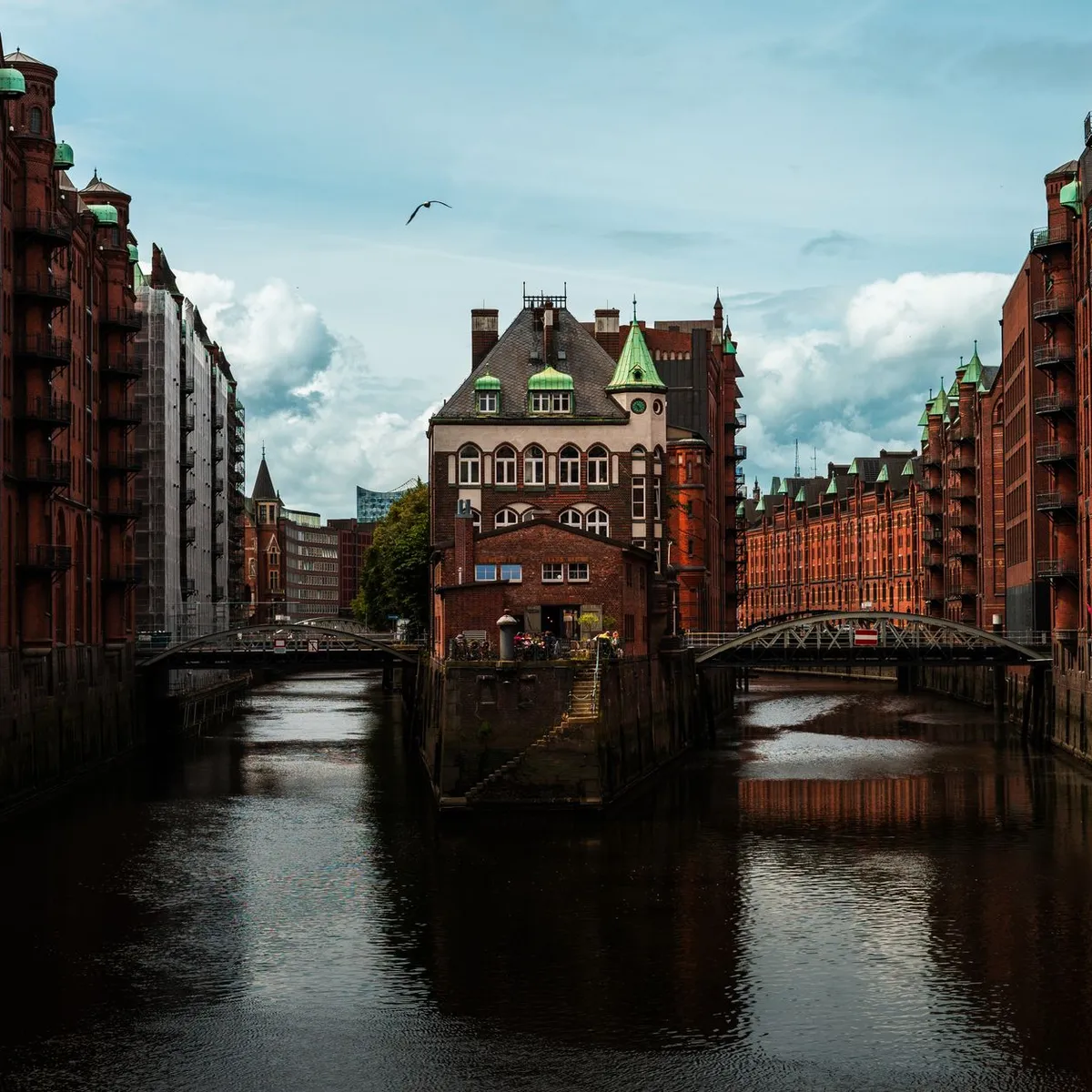
 Photo: Sameh Swaiss / Pexels
Hamburg-Mitte
Hamburg-Mitte accessibility for wheelchair users
Compare Hamburg-Mitte by accessibility, transport, terrain, healthcare, cost, weather, laws, reviews, and community notes.
Hamburg-Mitte accessibility scores
Compare Hamburg-Mitte by accessibility, transport, terrain, healthcare, cost, weather, and laws. General stats use public data and models. Community rows reflect member reviews and votes.
General stats
National benchmarks and estimates — your experience in this city may differ.
Community
Starts from our estimate — thumbs up nudge toward Excellent, down toward Poor. Reviews use 1–5 stars.
These figures combine public statistics, models, and live weather where available. Every city is different — treat this as a guide, and share what you know in the Reviews & Corrections tab.
Profile last updated 6/30/2026.
Hamburg-Mitte wheelchair accessibility guide
Research Hamburg-Mitte for wheelchair users and caregivers: getting around, terrain, healthcare, costs, climate, accessible things to do, and practical caveats before booking.
Last updated 6/30/2026At a glance
Hamburg-Mitte is one of the stronger RollVenture candidates in this batch: central, mostly flat, well connected by HVV, and packed with harbour, Speicherstadt, and museum options. The main wheelchair caveat is not hills but surfaces: bridges, quays, old warehouse paving, and occasional setts can make the most scenic routes slower than the map suggests.
Getting around
Use Hamburg Hauptbahnhof, Berliner Tor, Jungfernstieg, and HafenCity stations as the main planning anchors, then verify lifts on the HVV barrier-free route planner before each trip. HVV publishes accessible-travel information, and the database gives Hamburg-Mitte strong wheelchair-transport and infrastructure scores, but lift outages and old station connections still need a time buffer. Taxis or door-to-door transport are useful for late evenings around the harbour.
Terrain & mobility
The DB terrain profile is mostly flat, with a small elevation range, and the pavement sample is high-confidence with mostly asphalt, setts, paving stones, and compacted surfaces. That is good for power-chair range, but manual-chair users should expect vibration in Speicherstadt, on waterfront promenades, and near older bridges.
Healthcare & care
The database lists several nearby clinics as OpenStreetMap leads, not guaranteed access. For serious care planning, Hamburg has major hospitals across the city; confirm the exact department, entrance, parking, and interpreter needs before arrival. Bring charger adapters and a repair plan because wheelchair repair options are not consistently documented in the public sources reviewed.
Costs & housing
The database estimate is **from ~$3,256/mo**. Central step-free apartments are expensive and often in newer HafenCity, Hammerbrook, or serviced-apartment buildings rather than historic Speicherstadt fabric. Ask for lift dimensions, threshold photos, bathroom turning space, and whether cobbled approaches are avoidable.
Climate & comfort
Hamburg is mild, windy, and wet more often than extreme. Rain covers, gloves for wet push rims, and a cushion protection plan matter. Winter ice is usually episodic, but waterfront wind can make waiting for buses or ferries uncomfortable.
Accessible things to do
Elbphilharmonie Plaza and concert halls— The venue publishes accessibility information; lifts make the Plaza a realistic harbour-view stop, but book wheelchair spaces early for performances.
Miniatur Wunderland— A high-impact indoor attraction in Speicherstadt; public visitor guidance covers accessibility, and it is a good wet-weather option if crowds are managed.
Hamburger Kunsthalle— A major central museum; use the museum’s visitor/accessibility information and confirm lifts or temporary gallery closures before arrival.
Dialoghaus Hamburg— OSM marks the venue wheelchair-accessible with wheelchair toilets; treat that as a lead and confirm tour suitability directly because experiences are guided.
Deutsches Zollmuseum / Speicherstadt area— OSM marks the Customs Museum wheelchair-accessible with wheelchair toilets, while some nearby Speicherstadt museums are not accessible; choose routes carefully.
Community & language
German is the working language, but English is widely usable in central tourism, hotels, and larger clinics. Germany’s disability-rights framework is strong, yet local execution varies by old buildings and transport lifts.
Would we recommend it?
Yes, especially for wheelchair users who want a central, transit-rich German city and can tolerate rough historic surfaces. It is less ideal for travellers who need consistently smooth pavements at every attraction door.
These figures combine public statistics, models, and live weather where available. Every city is different — treat this as a guide, and share what you know in the Reviews & Corrections tab.
Profile last updated 6/30/2026.
Reviews & corrections
Share your experience or suggest a data correction. Both appear publicly; admin updates official city scores and costs separately.
Log in to write a review or suggest a correction.
No reviews or corrections yet.