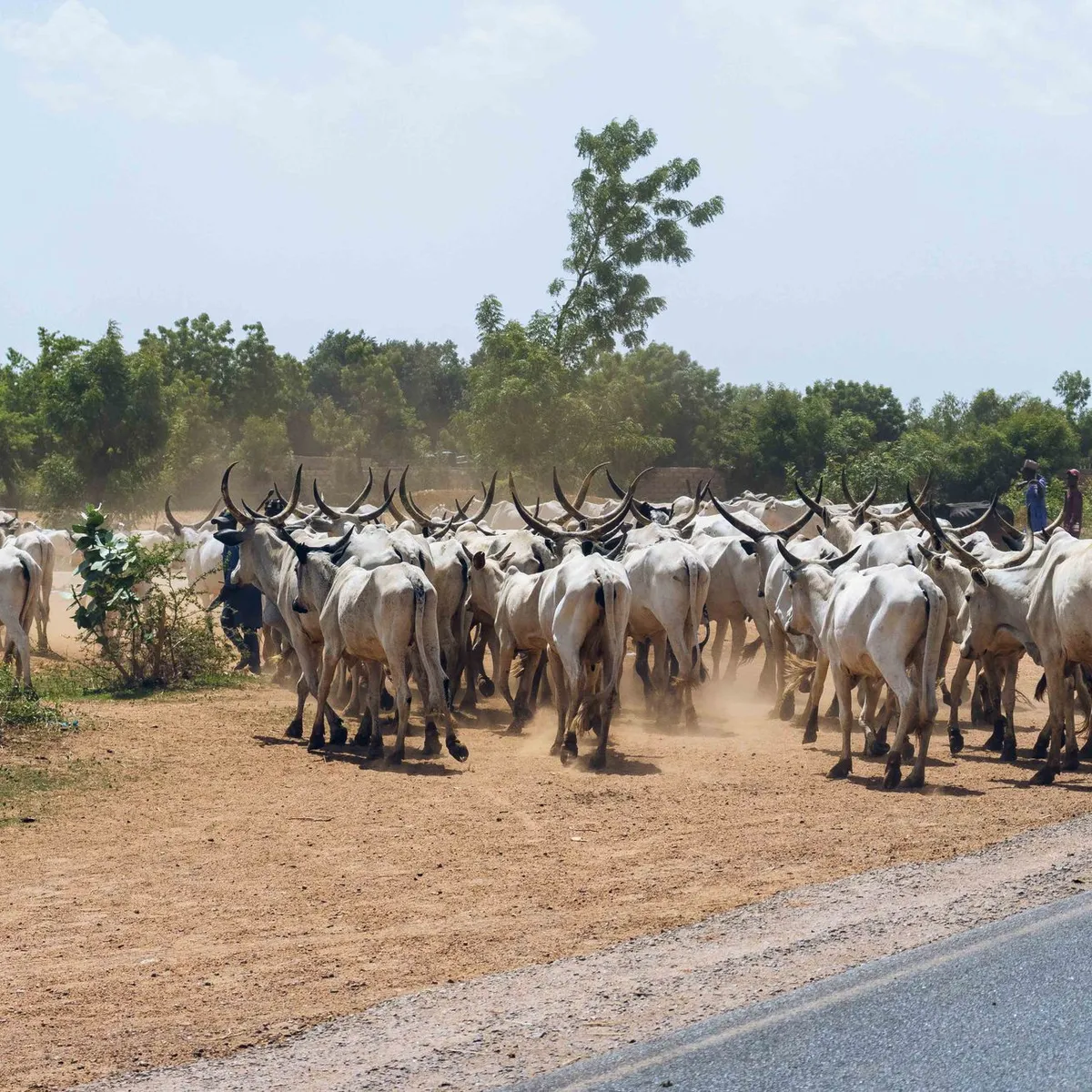
 Photo: rabiu kabir / Pexels
Kano
Kano accessibility for wheelchair users
Compare Kano by accessibility, transport, terrain, healthcare, cost, weather, laws, reviews, and community notes.
Kano accessibility scores
Compare Kano by accessibility, transport, terrain, healthcare, cost, weather, and laws. General stats use public data and models. Community rows reflect member reviews and votes.
General stats
National benchmarks and estimates — your experience in this city may differ.
Community
Starts from our estimate — thumbs up nudge toward Excellent, down toward Poor. Reviews use 1–5 stars.
These figures combine public statistics, models, and live weather where available. Every city is different — treat this as a guide, and share what you know in the Reviews & Corrections tab.
Profile last updated 7/1/2026.
Kano wheelchair accessibility guide
Research Kano for wheelchair users and caregivers: getting around, terrain, healthcare, costs, climate, accessible things to do, and practical caveats before booking.
Last updated 7/1/2026At a glance
Kano is one of northern Nigeria's major cities and a historically important trading center. It has a large population, strong Hausa and Islamic culture, major markets and several heritage sites, but RollVenture should frame it as a difficult destination for wheelchair users. The DB accessibility score is low, Nigeria's disability-law summary is conservative, and healthcare leads in the stored OSM profile sit far from the mapped center. Budget from about ~$2,213/mo, with housing around ~$1,046/mo, but spend extra on transport and a reliable local assistant.
Getting around
Wikivoyage lists Kano's airport, road, bus and rail access, but local movement is the challenge. Do not expect step-free buses or reliable wheelchair taxis. A private car with a known driver is the realistic baseline, especially for market visits, hospital checks and heat management. Traffic, informal roadside activity and uneven drop-offs can make even short trips tiring. Keep daily plans short, cluster stops by neighborhood and avoid night transfers unless a trusted local contact confirms the route.
Terrain & mobility
Terrain is not the main problem: the DB terrain profile is gently rolling, with low sampled grades and a small elevation range. The bigger barriers are surfaces, curbs, crowding and building entrances. OSM pavement data is high-confidence but mixed, with many untagged, paved, unpaved and asphalt ways. Expect sand, broken edges and open drainage in some areas. Manual chair users will likely need pushing help in markets and around heritage sites; power-chair users should think carefully about battery range and repairs.
Healthcare & care
The stored healthcare profile lists OSM health-post leads such as Damfamin Tofa, Kirya, Bum-Bum, Gawon Bature and Kawaji, all shown far outside the center. That makes pre-arranged medical planning essential. For anything more than basic care, identify a hospital or clinic directly with a local fixer before arrival and ask about entrance steps, imaging access and generator reliability. Bring medication reserves, documentation and emergency transport contacts.
Costs & housing
Kano is not expensive by global standards, but accessible housing scarcity can erase the headline savings. The DB model estimates monthly living near $2,213, housing around $1,046, food around $333 and transport around $174. Prioritize ground-floor apartments or hotels with proven lift access, on-site generator backup, smooth bathroom entry and parking close to the door. Confirm water storage, air conditioning and security arrangements.
Climate & comfort
Kano is hot, dusty and seasonally wet. Wikivoyage's climate chart shows very hot pre-rainy-season months and heavy rainfall around July-August. Heat affects transfers, cushion skin care, medication storage and battery performance. Plan early starts, shade breaks and water stops. Dust can be hard on respiratory conditions and chair parts, while rainy-season puddles can hide broken pavement.
Accessible things to do
Dalla Hill— Wikivoyage describes it as central to Kano's origin story; it is not a wheelchair climb, but lower viewpoints or a drive-by with a guide may still be worthwhile.
Emir's Palace— a major architectural and cultural landmark; treat interior access as uncertain and arrange permission/assistance locally.
Ancient Kano City Walls and gates— heritage remains with some restored gates; best approached by vehicle with short, selective stops.
Kurmi Market— a historic 15th-century trade market; culturally rich but crowded and uneven, so go only with a helper and conservative expectations.
Community & language
English is official, but Hausa dominates daily street life. Local norms are conservative; dress modestly and ask before photographing people or religious sites. A trusted local contact is not a luxury here: they can help with bargaining, route choice, security judgments and medical navigation.
Would we recommend it?
Only for experienced wheelchair travelers with strong local support. Kano has deep culture and important heritage, but access barriers, heat, sparse verified healthcare access and transport uncertainty make it a high-effort stay rather than an easy RollVenture base.
These figures combine public statistics, models, and live weather where available. Every city is different — treat this as a guide, and share what you know in the Reviews & Corrections tab.
Profile last updated 7/1/2026.
Reviews & corrections
Share your experience or suggest a data correction. Both appear publicly; admin updates official city scores and costs separately.
Log in to write a review or suggest a correction.
No reviews or corrections yet.