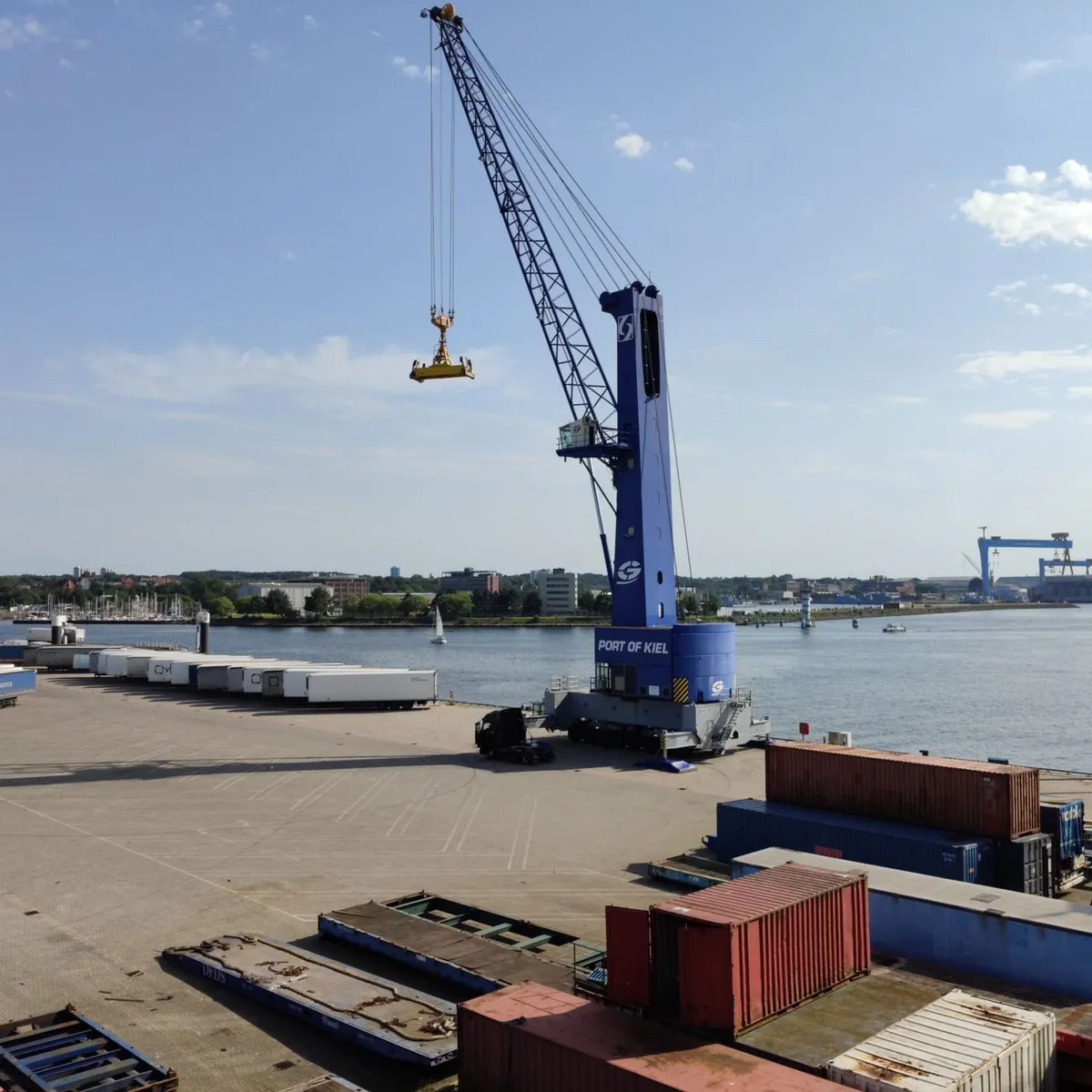
 Photo: Dmitrij / Pexels
Kiel
Kiel accessibility for wheelchair users
Compare Kiel by accessibility, transport, terrain, healthcare, cost, weather, laws, reviews, and community notes.
Kiel accessibility scores
Compare Kiel by accessibility, transport, terrain, healthcare, cost, weather, and laws. General stats use public data and models. Community rows reflect member reviews and votes.
General stats
National benchmarks and estimates — your experience in this city may differ.
Community
Starts from our estimate — thumbs up nudge toward Excellent, down toward Poor. Reviews use 1–5 stars.
These figures combine public statistics, models, and live weather where available. Every city is different — treat this as a guide, and share what you know in the Reviews & Corrections tab.
Profile last updated 6/30/2026.
Kiel wheelchair accessibility guide
Research Kiel for wheelchair users and caregivers: getting around, terrain, healthcare, costs, climate, accessible things to do, and practical caveats before booking.
Last updated 6/30/2026At a glance
Kiel is a practical Baltic port city with relatively flat terrain, good DB infrastructure scores, and a waterfront layout that can work well for wheelchair users. It is less famous than Hamburg or Copenhagen, but that can be an advantage: distances are manageable, crowds outside Kiel Week are lighter, and the city has a clear center around the fjord, Hauptbahnhof, shopping streets, museums, and ferry terminals. The main caveat is surface variation near harbors, older streets, and waterfront works.
Getting around
Kiel's urban trips often combine buses, regional trains, short rolls, and ferries on the fjord. Verify barrier-free routing with the local operator and Deutsche Bahn before travel, especially for lifts at stations and step-free boarding points. Buses are the likely default for cross-city access, while the waterfront can be pleasant when weather is calm. Do not assume every ferry pier or older harbor edge is equally easy; check gangway, tide/water-level effects, and staff assistance before planning a tight transfer.
Terrain & mobility
The DB terrain profile labels Kiel mostly flat, with very low sampled grades and high OSM pavement confidence. Dominant surfaces include asphalt and paving stones, with some sett/compacted surfaces. That is a good starting profile for wheelchair users, but older maritime districts, construction near the waterfront, and event crowds during Kiel Week can change the experience. Manual-chair users should prioritize fjord-level routes and avoid steep approaches away from the center when tired.
Healthcare & care
The live row lists central healthcare leads including Gesundheitszentrum Kiel-Mitte, Orthopaedicum, Mare Med, and hospital-related radiology/neuro-radiology entries from OSM. Treat these as leads, not guarantees. For planned stays, confirm accessible exam rooms, English-language support if needed, transfer equipment, and whether home-care providers serve your district. Germany's formal healthcare system is strong, but appointments and paperwork can be slow for visitors.
Costs & housing
RollVenture estimates Kiel from ~$3,333/mo and housing from ~$1,510/mo, below many larger German cities but still not cheap. Accessible rentals near the station, Altstadt, or fjordfront may be limited. Ask for lift access, threshold-free showers, door widths, and whether the route from street to building entrance includes cobbles or steps.
Climate & comfort
Kiel is maritime: wind, rain, and cool shoulder seasons matter. The city is most comfortable in late spring through early autumn. Winter is manageable but damp, and strong fjord winds can make exposed waterfront routes tiring for manual-chair users.
Accessible things to do
Kieler Förde waterfront— The fjord promenade is the signature experience; verify surfaces and any construction before planning a long roll.
Schifffahrtsmuseum Fischhalle— Maritime museum option near the old harbor; check current barrier-free entrance and exhibition access.
Kiel Botanical Garden— Good slower outing if paths and greenhouse access match your mobility needs; verify seasonal routes.
Kunsthalle zu Kiel— Art museum near the university/waterfront area; confirm lift access, accessible toilets, and entrance routing.
Fjord ferry or harbor cruise— Potentially excellent but access depends on vessel, pier, and staff; contact the operator before booking.
Community & language
German is the default, but English is commonly understood in tourism, university, and port contexts. Access information may be under “barrierefrei.” Written confirmations help, especially for ferries, healthcare, and hotel rooms.
Would we recommend it?
Yes, especially for wheelchair users who like waterfront cities and can verify ferry/venue details in advance. Kiel's flatter terrain is a real plus, but wind, harbor surfaces, and event disruption need planning.
These figures combine public statistics, models, and live weather where available. Every city is different — treat this as a guide, and share what you know in the Reviews & Corrections tab.
Profile last updated 6/30/2026.