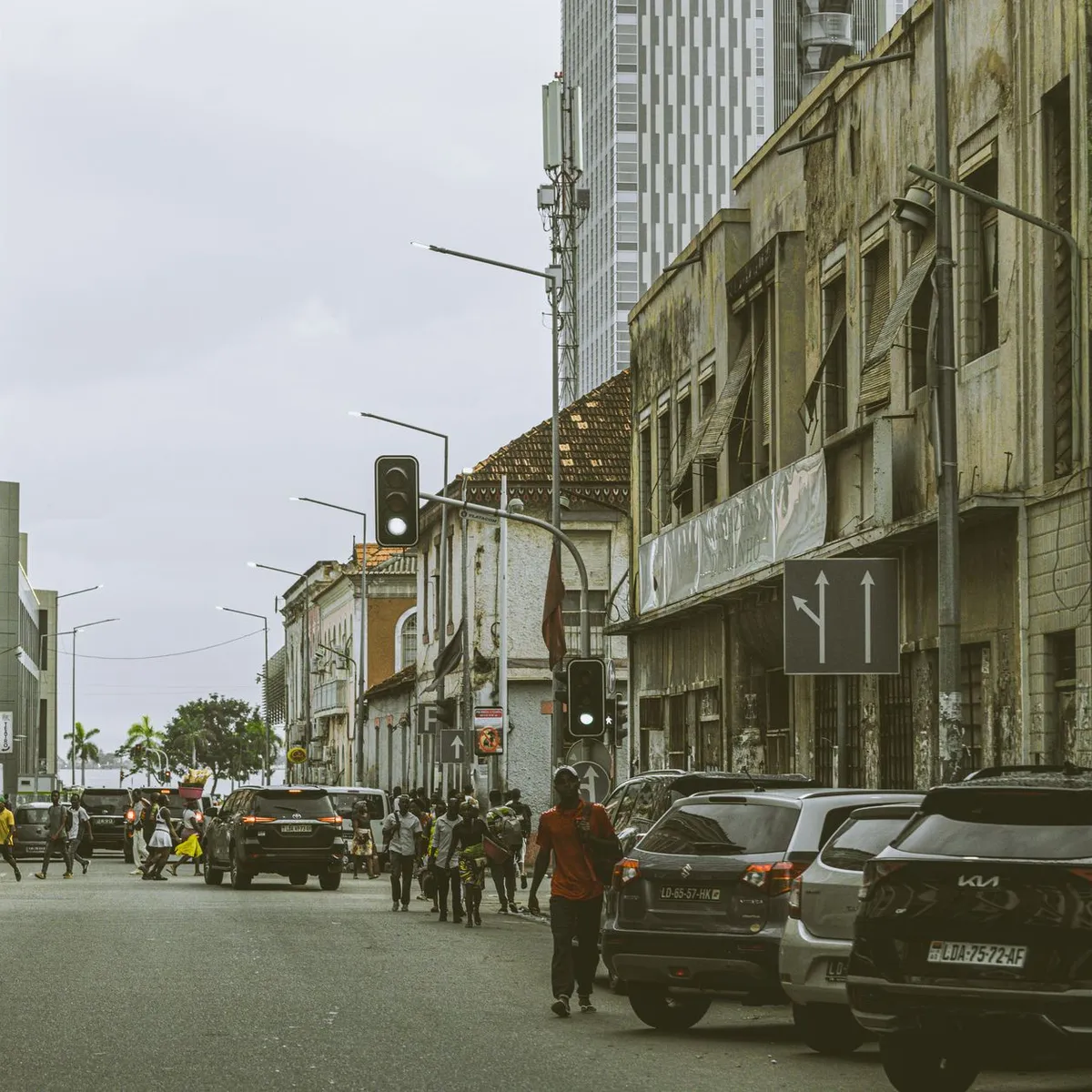
 Photo: basunga visual / Pexels
Lubango
Lubango accessibility for wheelchair users
Compare Lubango by accessibility, transport, terrain, healthcare, cost, weather, laws, reviews, and community notes.
Lubango accessibility scores
Compare Lubango by accessibility, transport, terrain, healthcare, cost, weather, and laws. General stats use public data and models. Community rows reflect member reviews and votes.
General stats
National benchmarks and estimates — your experience in this city may differ.
Community
Starts from our estimate — thumbs up nudge toward Excellent, down toward Poor. Reviews use 1–5 stars.
These figures combine public statistics, models, and live weather where available. Every city is different — treat this as a guide, and share what you know in the Reviews & Corrections tab.
Profile last updated 7/1/2026.
Lubango wheelchair accessibility guide
Research Lubango for wheelchair users and caregivers: getting around, terrain, healthcare, costs, climate, accessible things to do, and practical caveats before booking.
Last updated 7/1/2026At a glance
Lubango is a highland Angolan city that can work as a short, carefully planned base for scenic drives rather than an easy independent wheelchair destination. The draw is the dramatic Huíla landscape: Tundavala, Serra da Leba, the Christ the King statue, and viewpoints around the city. RollVenture's row rates it at 45 overall and 22 for accessibility, so the guide should be read as cautiously positive for travelers with support, not as a promise of barrier-free travel. Budget from ~$2,374/mo, with housing around ~$1,213/mo before personal-care or vehicle costs.
Getting around
Plan around private transport. Public wheelchair-accessible transport is not something to rely on here, and the row's wheelchair-transport score is low. A pre-booked driver, a vehicle with enough space for a folding chair, and a local contact who can confirm entrances are more realistic than spontaneous trips. The airport and intercity bus/rail logistics should be checked directly before travel, especially if transfers, ramps, or boarding help are needed.
Terrain & mobility
Lubango sits high, around 1,900 m in the DB terrain sample, with hilly grades and big elevation changes near the city. Pavement data is mixed: some asphalt exists, but many sampled surfaces were ground or unpaved. Expect broken shoulders, sandy edges, steep approaches to viewpoints, and limited curb-cut continuity. A power chair or scooter may struggle outside paved central blocks; manual-chair users will likely need a strong companion for many excursions.
Healthcare & care
OpenStreetMap leads in the row list several central clinics and hospitals, including Clínica Sagrada Esperança Lubango and maternity/emergency facilities, but OSM entries are not guarantees of wheelchair access, specialist availability, or English-speaking staff. For a longer stay, verify the exact clinic entrance, pharmacy supply, evacuation insurance, and whether personal-care support can be arranged privately before committing.
Costs & housing
Costs are not especially low for the accessibility risk: the modelled monthly total is from ~$2,374/mo, with housing from ~$1,213/mo, transport from ~$173/mo, medical from ~$150/mo, and home aid from ~$403/mo. Accessible housing should be inspected by video: step-free entry, bathroom turning space, water reliability, generator backup, and whether the approach road remains usable after rain matter more than headline rent.
Climate & comfort
The high elevation makes Lubango cooler than many Angolan lowland cities, which can help with heat sensitivity. Sun exposure at viewpoints is still intense, and rainy-season drainage can turn unpaved approaches into mud. Bring repair supplies, backup batteries, and a plan for altitude, hydration, and rough-road fatigue.
Accessible things to do
Tundavala Gap— A famous escarpment viewpoint near Lubango. Treat it as a drive-up scenic stop where the final surface, drop-offs, toilets, and crowding must be checked; do not assume guardrails or paved wheelchair routes.
Serra da Leba— The mountain road is the attraction. It may be best experienced from a vehicle or short viewpoint stops, not long rolls along roadside shoulders.
Christ the King statue— A recognized Lubango landmark. Check parking, steps, and surface condition locally before visiting; some travelers may only be able to enjoy the exterior setting.
Nossa Senhora do Monte area— The hill and religious setting are part of the city's identity, but slopes and steps can limit access. Go with assistance and keep expectations conservative.
Community & language
Portuguese is the working language; English should not be assumed. A local fixer, driver, or hotel contact who can call venues in Portuguese is valuable. Disability access information online is sparse, so direct confirmation is essential.
Would we recommend it?
Yes, but only for adventurous travelers with support, private transport, and a tolerance for rough surfaces. Lubango offers memorable scenery, yet it is not a low-friction wheelchair city.
These figures combine public statistics, models, and live weather where available. Every city is different — treat this as a guide, and share what you know in the Reviews & Corrections tab.
Profile last updated 7/1/2026.