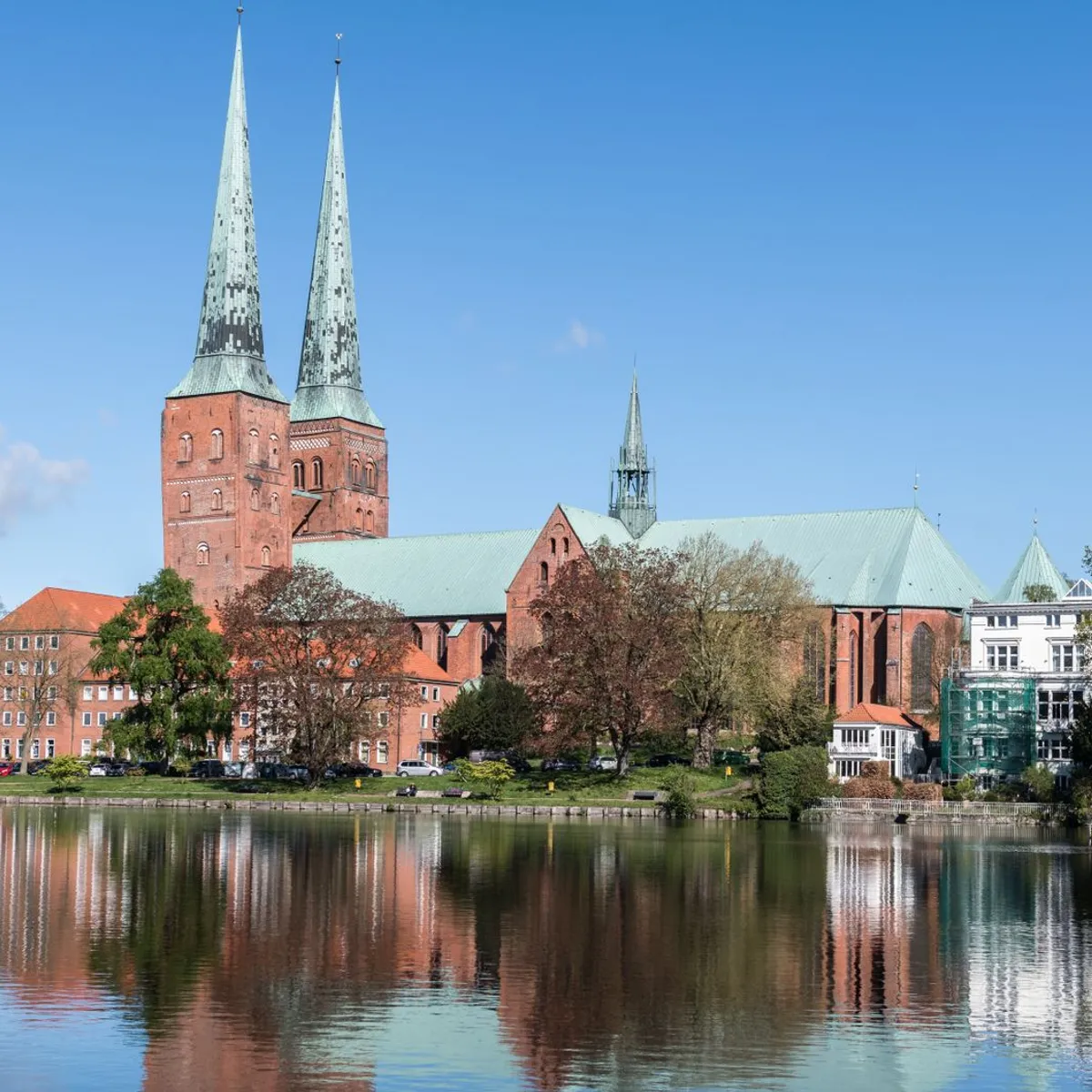
 Photo: Wolfgang Weiser / Pexels
Lübeck
Lübeck accessibility for wheelchair users
Compare Lübeck by accessibility, transport, terrain, healthcare, cost, weather, laws, reviews, and community notes.
Lübeck accessibility scores
Compare Lübeck by accessibility, transport, terrain, healthcare, cost, weather, and laws. General stats use public data and models. Community rows reflect member reviews and votes.
General stats
National benchmarks and estimates — your experience in this city may differ.
Community
Starts from our estimate — thumbs up nudge toward Excellent, down toward Poor. Reviews use 1–5 stars.
These figures combine public statistics, models, and live weather where available. Every city is different — treat this as a guide, and share what you know in the Reviews & Corrections tab.
Profile last updated 6/30/2026.
Lübeck wheelchair accessibility guide
Research Lübeck for wheelchair users and caregivers: getting around, terrain, healthcare, costs, climate, accessible things to do, and practical caveats before booking.
Last updated 6/30/2026At a glance
Lübeck is beautiful, historic, and more accessible on paper than many medieval cities, but wheelchair users should approach it with realistic expectations. The DB row shows mostly flat terrain, high infrastructure, and strong pavement confidence; at the same time, the UNESCO old town includes cobbles, bridges, historic thresholds, and narrow routes. It can be a rewarding short stay for culture, marzipan, waterfronts, and Hanseatic history if you plan routes around the smoother streets and verify each historic venue.
Getting around
The best strategy is to stay close to the old town island or the main station and keep daily loops short. Regional trains connect Lübeck well, but station lifts, platform changes, and assistance windows should be checked with Deutsche Bahn before travel. Local buses can bridge longer distances to clinics, hotels, or Travemünde, but waterfront and old-town rolling will still be part of most visits. For taxis, pre-book accessible vehicles rather than assuming spontaneous supply.
Terrain & mobility
The DB terrain profile is mostly flat, with low sampled grades and high OSM pavement confidence. Dominant surfaces include asphalt, sett, paving stones, and compacted paths. Flatness helps, but surface texture is the big issue: old-town cobbles and bridge approaches can be tiring or painful. Power-chair users will have an easier time than manual-chair users, especially on wet days.
Healthcare & care
The row lists healthcare leads including Facharztklinik Lübeck, DIE BRÜCKE Tagesklinik, Rotes Kreuz geriatric clinic entries, and other hospital/clinic points from OSM. Use them as leads only. For longer stays, confirm accessible exam rooms, appointment language, and personal-care support. Lübeck is close enough to larger northern German networks for specialist planning, but same-week visitor access should not be assumed.
Costs & housing
RollVenture estimates costs from ~$3,364/mo and housing from ~$1,512/mo. Historic apartments can be charming but risky for access: stairs, small lifts, uneven courtyards, and bathroom thresholds are common. Prioritize newer hotels or serviced apartments with detailed accessibility photos, and verify street-to-room route rather than only the room itself.
Climate & comfort
Lübeck has a cool northern maritime climate with rain, wind, and occasional winter ice. Shoulder seasons can be pleasant and less crowded. Wet cobbles and brick surfaces can reduce traction, so bring tires/gloves suited to damp paving and keep backup indoor stops.
Accessible things to do
Holstentor area— The landmark exterior and surrounding routes are worthwhile; verify museum access separately because historic buildings may have limits.
European Hansemuseum— Modern museum complex and a key accessible-history candidate; check current entrance, lifts, and old-town route surfaces before visiting.
Lübeck old town waterfront— Scenic roll with cafés and harbor views, best planned around smoother streets and weather.
St. Mary's Church / city churches— Major heritage stops, but access varies by entrance, interior levels, and event setup; confirm directly.
Travemünde waterfront— Seaside extension from Lübeck; verify train/bus step-free access and promenade conditions before committing.
Community & language
German is the default; tourism staff often manage English, but access details may be listed as “barrierefrei.” Send concise questions in writing about steps, lifts, toilets, and companion seating.
Would we recommend it?
Yes for history-focused travelers who can tolerate some cobbles and verify venues. It is not the easiest German city for manual-chair users, but the flat profile, compact center, and strong cultural payoff make it worthwhile with planning.
These figures combine public statistics, models, and live weather where available. Every city is different — treat this as a guide, and share what you know in the Reviews & Corrections tab.
Profile last updated 6/30/2026.
Reviews & corrections
Share your experience or suggest a data correction. Both appear publicly; admin updates official city scores and costs separately.
Log in to write a review or suggest a correction.
No reviews or corrections yet.