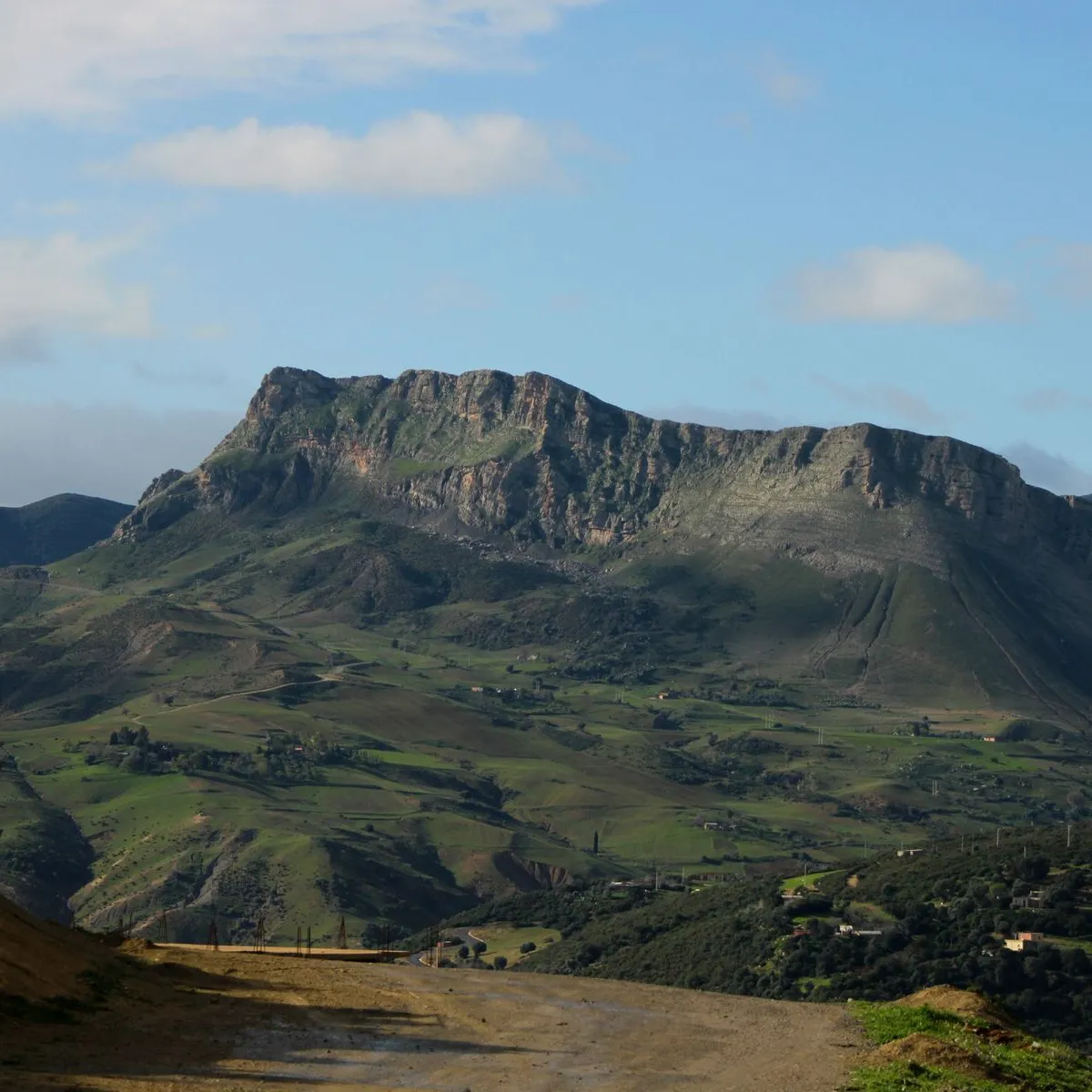
 Photo: abderrahmane loualbia / Pexels
M’Sila
M’Sila accessibility for wheelchair users
Compare M’Sila by accessibility, transport, terrain, healthcare, cost, weather, laws, reviews, and community notes.
M’Sila accessibility scores
Compare M’Sila by accessibility, transport, terrain, healthcare, cost, weather, and laws. General stats use public data and models. Community rows reflect member reviews and votes.
General stats
National benchmarks and estimates — your experience in this city may differ.
Community
Starts from our estimate — thumbs up nudge toward Excellent, down toward Poor. Reviews use 1–5 stars.
These figures combine public statistics, models, and live weather where available. Every city is different — treat this as a guide, and share what you know in the Reviews & Corrections tab.
Profile last updated 7/1/2026.
M’Sila wheelchair accessibility guide
Research M’Sila for wheelchair users and caregivers: getting around, terrain, healthcare, costs, climate, accessible things to do, and practical caveats before booking.
Last updated 7/1/2026At a glance
M’Sila is the capital of M’Sila Province in Algeria, located on the Hodna plain and associated with nearby historic sites such as Qal’at Bani Hammad. For wheelchair users, it is a mixed destination: the city has a relatively high pavement sample score for this batch, but the terrain profile is hilly and the overall accessibility score is only 38/100. Use M’Sila as a practical regional base only if you can arrange a driver, confirm lodging details carefully, and accept that many outings will be vehicle-assisted rather than independent rolls.
Getting around
Expect to rely on private taxis, a hotel-arranged driver, or family/local contacts. Do not assume wheelchair-accessible buses, predictable curb ramps, or station assistance. If arriving from Algiers, Constantine, or another Algerian city, confirm each leg directly, including boarding height and luggage/medical equipment handling. Within M’Sila, keep routes short and ask drivers to wait at sites where return taxis may be uncertain.
Terrain & mobility
The DB terrain profile labels the area hilly, with average elevation around 497m and sampled elevation range over 250m. Even if central streets feel manageable, grades can add fatigue and battery drain. Pavement data is more encouraging than many comparable rows: a high-confidence OSM sample shows asphalt and paved surfaces among tagged ways. Still, untagged surfaces dominate, so expect broken sidewalks, missing curb cuts, shop thresholds, and rough edges around markets or construction.
Healthcare & care
The DB healthcare profile lists several OSM clinic/hospital leads near the center, including a public neighborhood health establishment and Slimane Amirat hospital/clinic references. Treat these as location leads, not verified accessibility guarantees. Confirm emergency access, elevator availability, and whether a private clinic can help with prescriptions, wound care, or routine disability-related needs. Bring French/Arabic medical summaries and backup supplies.
Costs & housing
The database estimate is from ~$2,300/mo, with housing around $1,193, food around $324, transport around $169, and medical around $130. Housing verification is critical: ask for step-free entrance photos, elevator reliability, bathroom measurements, air-conditioning, and backup plans for water or power interruptions. A slightly more expensive, modern apartment near your main destination may be safer than a cheaper older flat.
Climate & comfort
M’Sila has a semi-arid climate with hot summers and cooler winters. Heat, dust, and long distances between shaded stops can be hard on wheelchair users and caregivers. Plan early starts, protect batteries and cushions from heat, and keep extra water in the vehicle. Winter evenings can be cool enough to matter for users with temperature sensitivity.
Accessible things to do
Qal’at Bani Hammad— A major historic ruin near M’Sila; likely rough and uneven, so plan as a viewpoint/partial visit unless a local guide confirms firm access.
M’Sila city center— Best kept to short, driver-supported errands and café stops where entrances can be inspected first.
M’Sila University area— A more modern institutional area may offer wider roads, but building access still needs direct confirmation.
Hodna plain viewpoints— Vehicle-based scenic outing with lower transfer risk than extended walking routes.
Community & language
Arabic and French are the practical languages. English is less reliable. Local support can be warm but improvised; share photos of your chair, ramp needs, and transfer method before booking anything.
Would we recommend it?
Maybe, for travelers with regional ties or a strong interest in the Hodna area. M’Sila is not an easy accessible tourism base, but a cautious, driver-supported visit can work if lodging and care logistics are confirmed in advance.
These figures combine public statistics, models, and live weather where available. Every city is different — treat this as a guide, and share what you know in the Reviews & Corrections tab.
Profile last updated 7/1/2026.
Reviews & corrections
Share your experience or suggest a data correction. Both appear publicly; admin updates official city scores and costs separately.
Log in to write a review or suggest a correction.
No reviews or corrections yet.