 Photo: Abhishek Navlakha / Pexels
Macau
Macau accessibility for wheelchair users
Compare Macau by accessibility, transport, terrain, healthcare, cost, weather, laws, reviews, and community notes.
Macau accessibility scores
Compare Macau by accessibility, transport, terrain, healthcare, cost, weather, and laws. General stats use public data and models. Community rows reflect member reviews and votes.
General stats
National benchmarks and estimates — your experience in this city may differ.
Community
Starts from our estimate — thumbs up nudge toward Excellent, down toward Poor. Reviews use 1–5 stars.
These figures combine public statistics, models, and live weather where available. Every city is different — treat this as a guide, and share what you know in the Reviews & Corrections tab.
Profile last updated 6/30/2026.
Macau wheelchair accessibility guide
Research Macau for wheelchair users and caregivers: getting around, terrain, healthcare, costs, climate, accessible things to do, and practical caveats before booking.
Last updated 6/30/2026At a glance
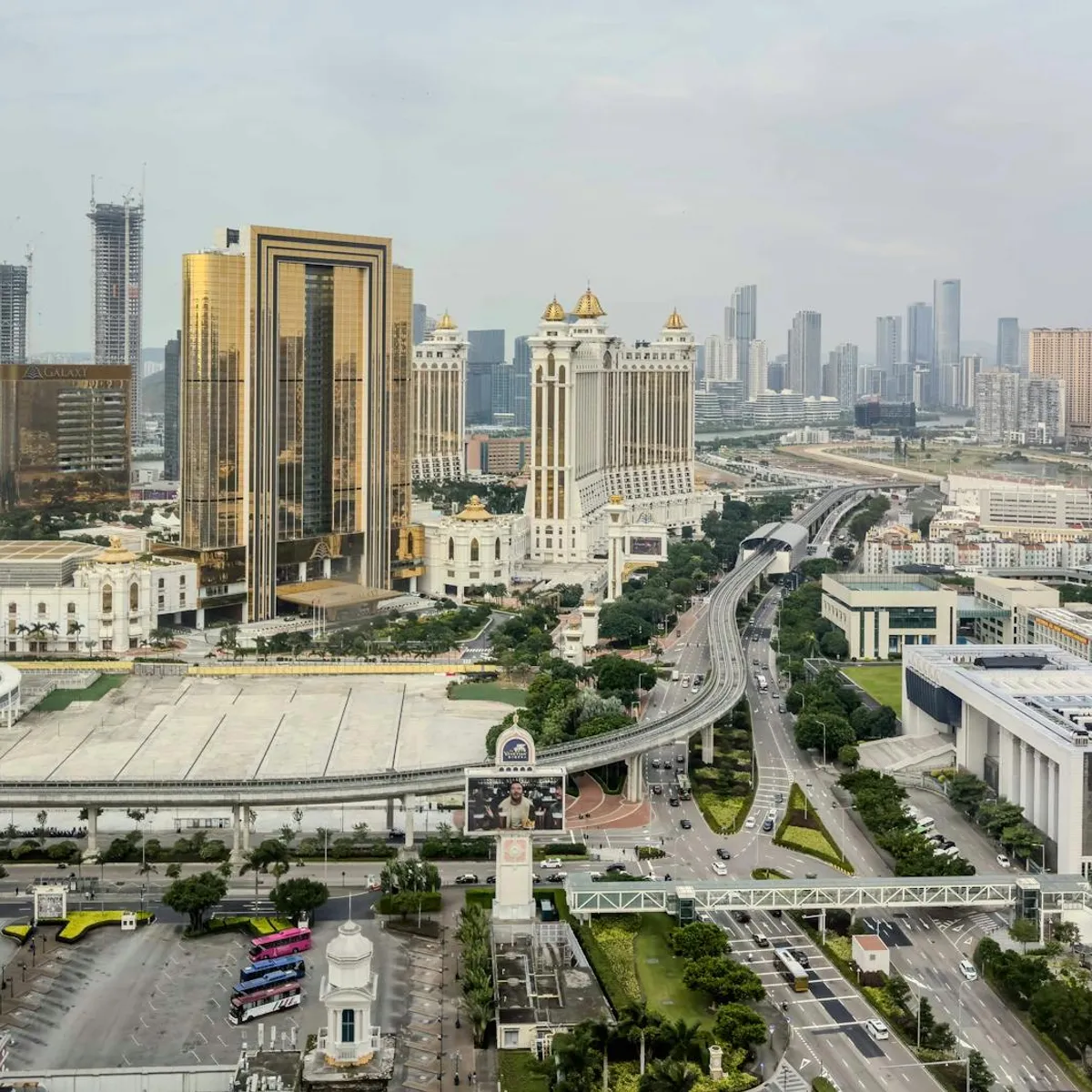
Macau is a compact, dense city where the practical accessibility picture is better documented than in many regional destinations, but still uneven street by street. The live RollVenture row gives Macau a 65 accessibility score, 50 terrain score, 61 pavement score, and estimated living costs from ~$3,516/mo. Treat that as a mid-to-high support profile rather than a guarantee: the historic core has narrow lanes, slopes, crowded pavements, and older stone surfaces, while newer waterfront, casino, mall, and LRT areas are usually easier to plan around.
Getting around
The strongest source found for planning is the Macao Government Tourism Office Barrier-Free Access Guide, which explicitly evaluates attractions, Light Rapid Transit, border checkpoints, convention venues, shopping centres, and hotels. Use that guide before booking each day. The LRT and major hotel/shopping corridors are usually the first places to check for lifts, ramps, toilets, and step-free routes. Taxis and hotel transfers can be useful, but confirm wheelchair storage, vehicle height, and kerbside drop-off because streets around old attractions can be tight.
Terrain & mobility
Macau is small but not flat in practice. The DB terrain profile says average sampled elevation is low, with hilly variation and a 161 m range. That fits the visitor experience: Senado Square and waterfront promenades can be manageable, but the approaches toward old hilltop sites, fortress areas, and back streets can quickly become tiring. Pavement confidence is low in the DB profile, so plan shorter loops, avoid peak crowd times, and keep a fallback taxi or shuttle option.
Healthcare & care
The DB healthcare profile lists several nearby OpenStreetMap clinic leads, including GMC, Medical Center of Dermatology, Gratia Medical Clinic, and Centro Médico Dek Ou within roughly 0.2-0.4 km of the centre. These are leads only, not access guarantees. For a longer stay, pre-arrange an English- or Portuguese-/Chinese-speaking clinic contact, medication supply, and private care support before arrival.
Costs & housing
Macau is not a budget base. Use the DB estimate of from ~$3,516/mo, with housing around $1,798/mo, as a planning floor for an accessible apartment or hotel-style stay. Prioritize lift-served buildings near LRT, major bus corridors, or hotel shuttles; accessible bathrooms and step-free building entrances need photo or video confirmation.
Climate & comfort
The subtropical climate is humid, hot in summer, and exposed to typhoon-season disruptions. Wheelchair users should plan indoor cooling breaks in malls, hotels, and museums, and keep rain covers for both chair and electronics.
Accessible things to do
MGTO Barrier-Free Access Guide attractions— Use the official guide as the master filter for choosing museums, heritage sites, shopping centres, hotels, and LRT stations with documented access features.
Senado Square and nearby heritage streets— A central, iconic area, but crowds, paving, and kerbs make early-morning visits and short routes safer than a long spontaneous wander.
Light Rapid Transit station-to-mall loops— The MGTO guide covers LRT; build low-risk days around stations, shopping centres, toilets, and hotel/casino interiors.
Waterfront and integrated-resort promenades— Newer reclaimed areas are generally easier than the old hill streets, but verify the exact route and crossings.
Community & language
Cantonese and Portuguese are official; English is common in hotels and tourism but less reliable in small clinics or local services. Written addresses in Chinese and hotel concierge support are useful.
Would we recommend it?
Yes, for travelers who want a compact city with unusually good official accessibility documentation and can afford central, lift-served lodging. It is less ideal for low-budget living or users who need guaranteed smooth outdoor routes every day.
These figures combine public statistics, models, and live weather where available. Every city is different — treat this as a guide, and share what you know in the Reviews & Corrections tab.
Profile last updated 6/30/2026.