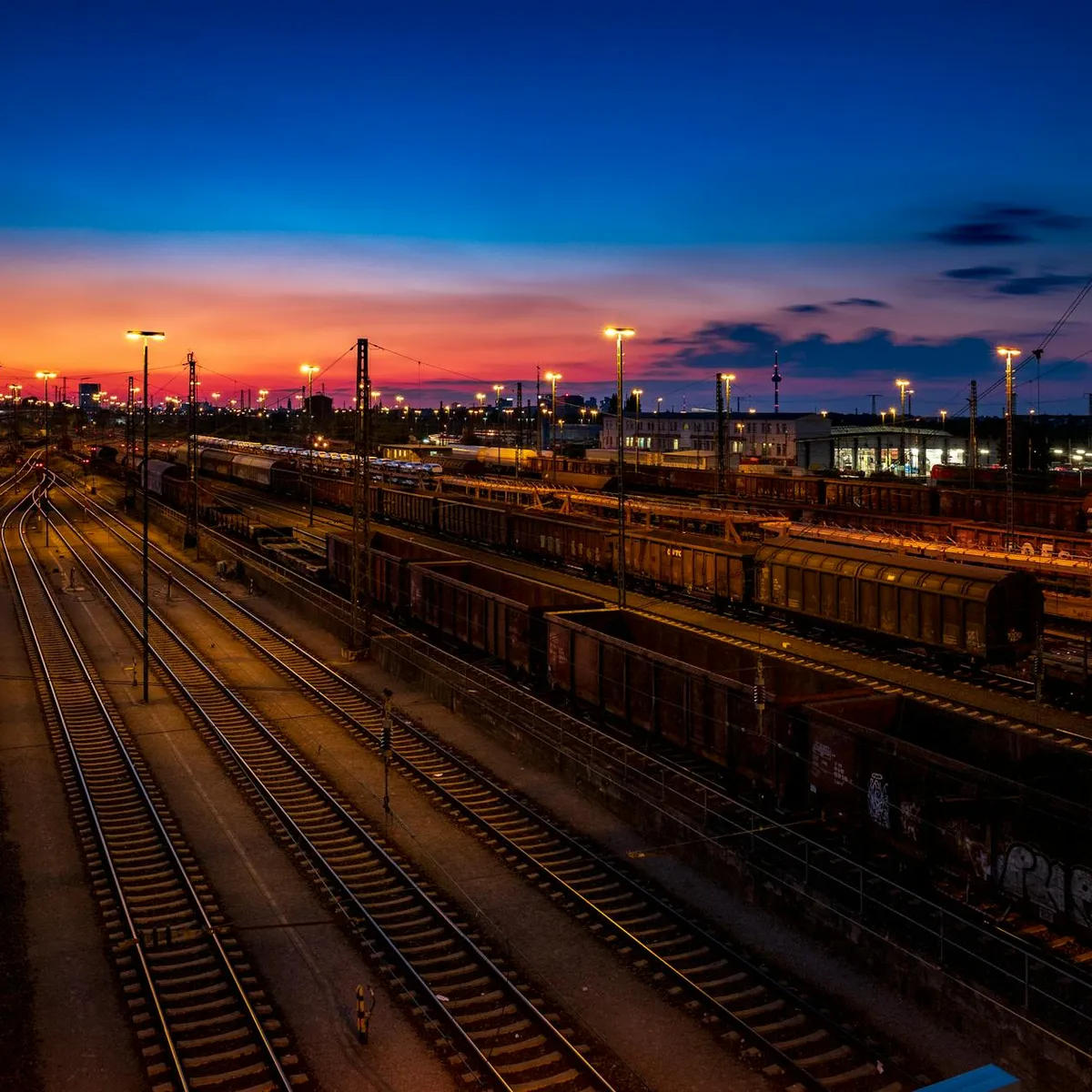
 Photo: Bruno Glätsch / Pexels
Mannheim
Mannheim accessibility for wheelchair users
Compare Mannheim by accessibility, transport, terrain, healthcare, cost, weather, laws, reviews, and community notes.
Mannheim accessibility scores
Compare Mannheim by accessibility, transport, terrain, healthcare, cost, weather, and laws. General stats use public data and models. Community rows reflect member reviews and votes.
General stats
National benchmarks and estimates — your experience in this city may differ.
Community
Starts from our estimate — thumbs up nudge toward Excellent, down toward Poor. Reviews use 1–5 stars.
These figures combine public statistics, models, and live weather where available. Every city is different — treat this as a guide, and share what you know in the Reviews & Corrections tab.
Profile last updated 6/30/2026.
Mannheim wheelchair accessibility guide
Research Mannheim for wheelchair users and caregivers: getting around, terrain, healthcare, costs, climate, accessible things to do, and practical caveats before booking.
Last updated 6/30/2026At a glance
Mannheim is a practical German option for wheelchair users who want flatter terrain than Stuttgart, strong regional rail, and a less tourist-saturated urban base. The RollVenture estimate is from ~$3,619/mo, with housing from ~$1,684/mo. It is still a German-city budget, but the street grid, Rhine-Neckar transport network, university/medical ecosystem, and high pavement score make daily planning more predictable than in many older hillside cities. The main cautions are older buildings, tram-stop details, and some paving-stone or sett surfaces in central areas.
Getting around
Mannheim is part of the VRN/Rhein-Neckar transport network, with trams, buses, S-Bahn/regional rail, and a major Hauptbahnhof. Accessibility information is available through regional operators, but wheelchair users should check the exact station, platform, lift, and replacement-bus situation before relying on a route. The grid-like center helps with orientation, and Heidelberg/Ludwigshafen links can expand healthcare and culture options if step-free rail access is confirmed.
Terrain & mobility
The DB profile is favorable: mostly flat, with sampled max grade around 0.6%, 100% flat samples, and a modest elevation range around 37 m. Pavement data is high-confidence and strong, with asphalt, paving stones, setts, and untagged ways. That means most daily routes should be less physically demanding than hilly German cities, but wheelchair comfort still depends on the exact blocks and construction.
Healthcare & care
Mannheim has a substantial medical ecosystem. OSM healthcare leads near the center include ZI Mannheim services, Radiologiezentrum Mannheim, and other clinics; verify entrance access, appointment intake, and insurance requirements directly. DB estimates list medical costs from ~$150/mo and home aid from ~$808/mo. If you need specialist rehab or mental-health continuity, Mannheim’s regional links can be a practical advantage.
Costs & housing
Accessible housing should be easier than in steep historic towns, but it is not automatic. Older apartment blocks may have entry steps, small lifts, or bathrooms that are difficult for transfers. Ask for lift dimensions, threshold photos, bathroom measurements, parking/charging options, and the route from tram stop to entrance. Newer districts and renovated buildings are safer bets.
Climate & comfort
Mannheim has warm summers and cool winters. Heat waves in the Rhine valley can be uncomfortable, so air conditioning or good shading matters more than in northern Germany. Winter ice is possible but not usually the dominant access issue. Flat terrain helps when weather changes quickly.
Accessible things to do
TECHNOSEUM Mannheim— A major science and technology museum with visitor information; verify accessible entrances, lifts, and any interactive exhibit limitations before going.
Kunsthalle Mannheim— A central art museum in a modernized building context; check current accessibility and lift routes for exhibitions.
Luisenpark— A large park and green-space anchor; confirm path conditions, accessible toilets, and seasonal construction before planning a long visit.
Barockschloss Mannheim / University palace area— A landmark historic complex; access can vary by area, so verify step-free entrances and exhibition routes before visiting.
Community & language
German is needed for bureaucracy, healthcare, and leases, though English is common around universities, companies, and tourism. The Rhine-Neckar region has international residents and practical services. For disability support, contact providers early and keep written confirmation of access arrangements.
Would we recommend it?
Yes. Mannheim is not glamorous in the same way as Munich or Heidelberg, but for wheelchair users it has a strong combination of flat terrain, rail connections, healthcare access, and manageable costs by German standards. It is a sensible base if housing checks out.
These figures combine public statistics, models, and live weather where available. Every city is different — treat this as a guide, and share what you know in the Reviews & Corrections tab.
Profile last updated 6/30/2026.
Reviews & corrections
Share your experience or suggest a data correction. Both appear publicly; admin updates official city scores and costs separately.
Log in to write a review or suggest a correction.
No reviews or corrections yet.