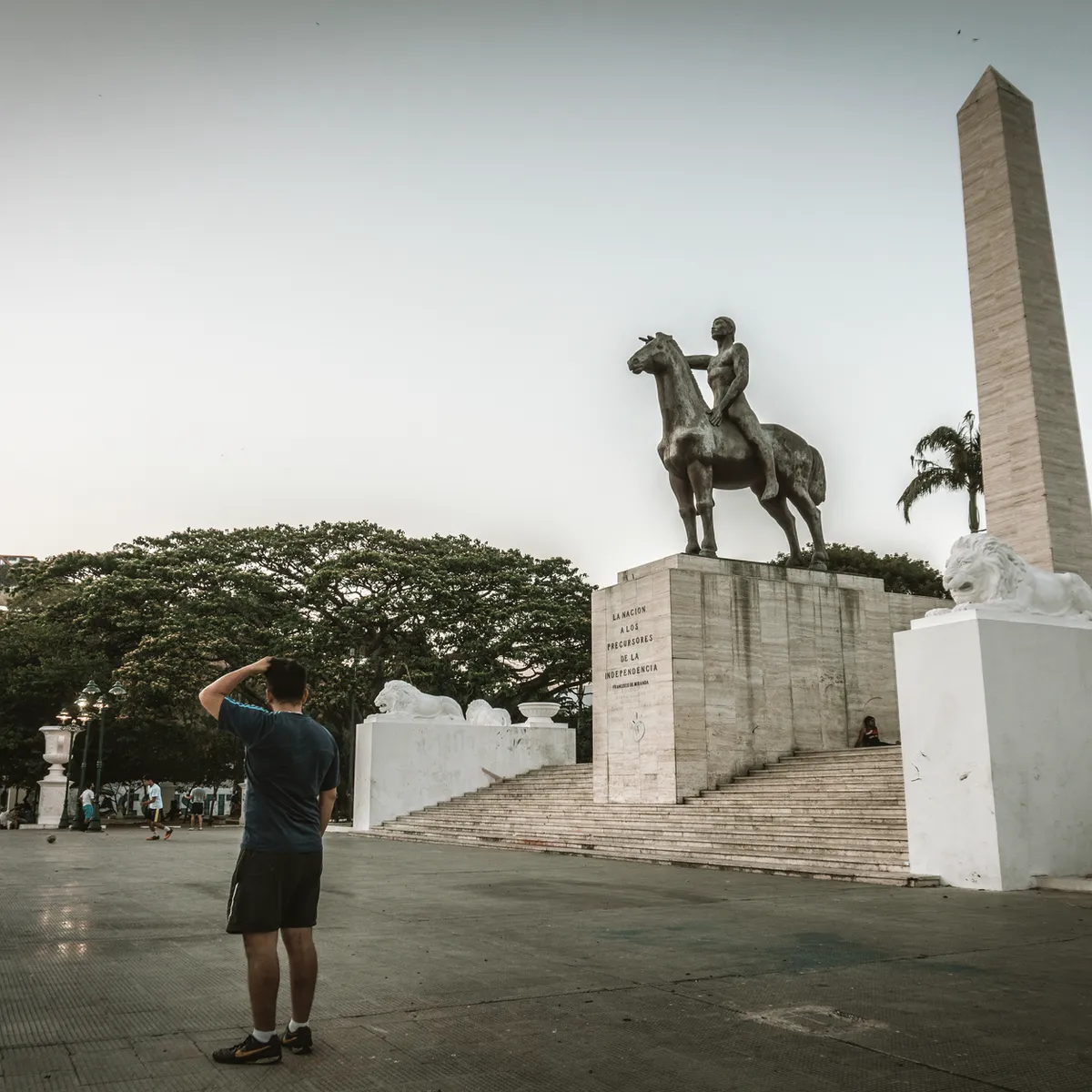
 Photo: Jorge Soto Farias / Pexels
Maturín
Maturín accessibility for wheelchair users
Compare Maturín by accessibility, transport, terrain, healthcare, cost, weather, laws, reviews, and community notes.
Maturín accessibility scores
Compare Maturín by accessibility, transport, terrain, healthcare, cost, weather, and laws. General stats use public data and models. Community rows reflect member reviews and votes.
General stats
National benchmarks and estimates — your experience in this city may differ.
Community
Starts from our estimate — thumbs up nudge toward Excellent, down toward Poor. Reviews use 1–5 stars.
These figures combine public statistics, models, and live weather where available. Every city is different — treat this as a guide, and share what you know in the Reviews & Corrections tab.
Profile last updated 7/2/2026.
Maturín wheelchair accessibility guide
Research Maturín for wheelchair users and caregivers: getting around, terrain, healthcare, costs, climate, accessible things to do, and practical caveats before booking.
Last updated 7/2/2026At a glance
Maturín is a large inland city in eastern Venezuela and the capital of Monagas state. For a wheelchair user, treat it as a practical, car-first base rather than an easy independent sightseeing city. The live RollVenture row gives Maturín a 55 overall score, a 40 accessibility score, and a monthly living-cost estimate from ~$2,689/mo, with housing from ~$1,383/mo. The strongest positives are warm local life, mostly low-gradient terrain, and several central medical leads. The main risks are inconsistent Venezuelan accessibility enforcement, limited curb-ramp coverage, low-confidence pavement data, and the need to verify fuel, transport, clinic access, and power reliability locally before committing.
Getting around
Plan around private vehicles, taxis, or a known driver. Public transport and informal shared routes may be inexpensive, but step-free boarding, space for a rigid chair, and reliable schedules should not be assumed. Maturín’s airport and intercity road links can help for regional access, but door-to-door transfers matter more than headline connectivity. If you use a power chair, confirm vehicle ramp/lift dimensions, charging arrangements, and backup transport in Spanish before arrival.
Terrain & mobility
The terrain profile is relatively encouraging: OpenTopoData/ASTER samples label the city gently rolling, with a maximum sampled grade around 1.8% and average elevation near 58 m. That does not mean sidewalks are easy. OSM pavement data is low confidence, with many untagged streets and only a small share of clearly good surface tagging. Expect broken sidewalks, driveway lips, missing curb cuts, open drains, parked cars blocking pedestrian space, and sun exposure. A manual-chair user will likely want a companion for longer errands.
Healthcare & care
Use the DB healthcare list as leads, not guarantees. OSM shows Clínica PDVSA Dr. Emigdio Cañizales Guedez, Módulo Dr. Cesar Gaetano Suppini, Centro Medico, C.A., and IVSS Hospital Dr. Manuel Núñez Tovar within roughly the central area. Before relying on any facility, confirm emergency coverage, specialties, accessible entrances, imaging/lab availability, payment method, medication supply, and whether elevators are working. Home-aid costs are estimated from ~$487/mo, but dependable personal-care staffing should be arranged through local references rather than assumed online.
Costs & housing
The cost row is not ultra-cheap for the region: use from ~$2,689/mo as the planning baseline, with housing from ~$1,383/mo, transport from ~$199/mo, medical from ~$141/mo, and home aid from ~$487/mo. For housing, prioritize newer apartment blocks or hotels that can send recent entrance, elevator, bathroom, and backup-generator photos. Do not rely on “accessible” wording without measurements. A ground-floor backup plan is valuable because outages and elevator downtime can change daily independence quickly.
Climate & comfort
Maturín is hot and humid. Heat management is part of access: air-conditioning, shaded routes, hydration, and reliable power for charging mobility equipment matter. Rain can make broken paving, curb ramps, and informal crossings harder, especially where drainage is poor. Schedule errands early and leave buffers for transport delays.
Accessible things to do
Plaza Bolívar / central civic area— a realistic first orientation point because it is central and can be checked quickly with a driver; verify paving, curb cuts, shade, and nearby drop-off points.
Catedral Nuestra Señora del Carmen— a central landmark listed among Maturín places of interest; confirm step-free entry and service-time crowding before visiting.
Parque La Guaricha— a known city park/zoo area; treat it as an assisted outing and ask about path surfaces, toilets, and vehicle drop-off before going.
Museo Mateo Manaure / cultural stops— use museums and galleries as weather-protected options only after confirming entrance steps, interior ramps, and opening hours.
Community & language
Spanish is essential for care setup, clinic calls, landlord checks, and transport negotiation. Local community help can matter more than formal access systems, so build contacts before arrival. Venezuela’s legal framework and on-the-ground enforcement do not guarantee consistent accessibility.
Would we recommend it?
Only for experienced travelers with Spanish support, a trusted driver, and a verified accessible unit. Maturín’s flatter terrain helps, but infrastructure uncertainty, healthcare verification needs, and transport dependence make it a cautious short-stay or family-supported base, not an easy independent wheelchair destination.
These figures combine public statistics, models, and live weather where available. Every city is different — treat this as a guide, and share what you know in the Reviews & Corrections tab.
Profile last updated 7/2/2026.
Reviews & corrections
Share your experience or suggest a data correction. Both appear publicly; admin updates official city scores and costs separately.
Log in to write a review or suggest a correction.
No reviews or corrections yet.