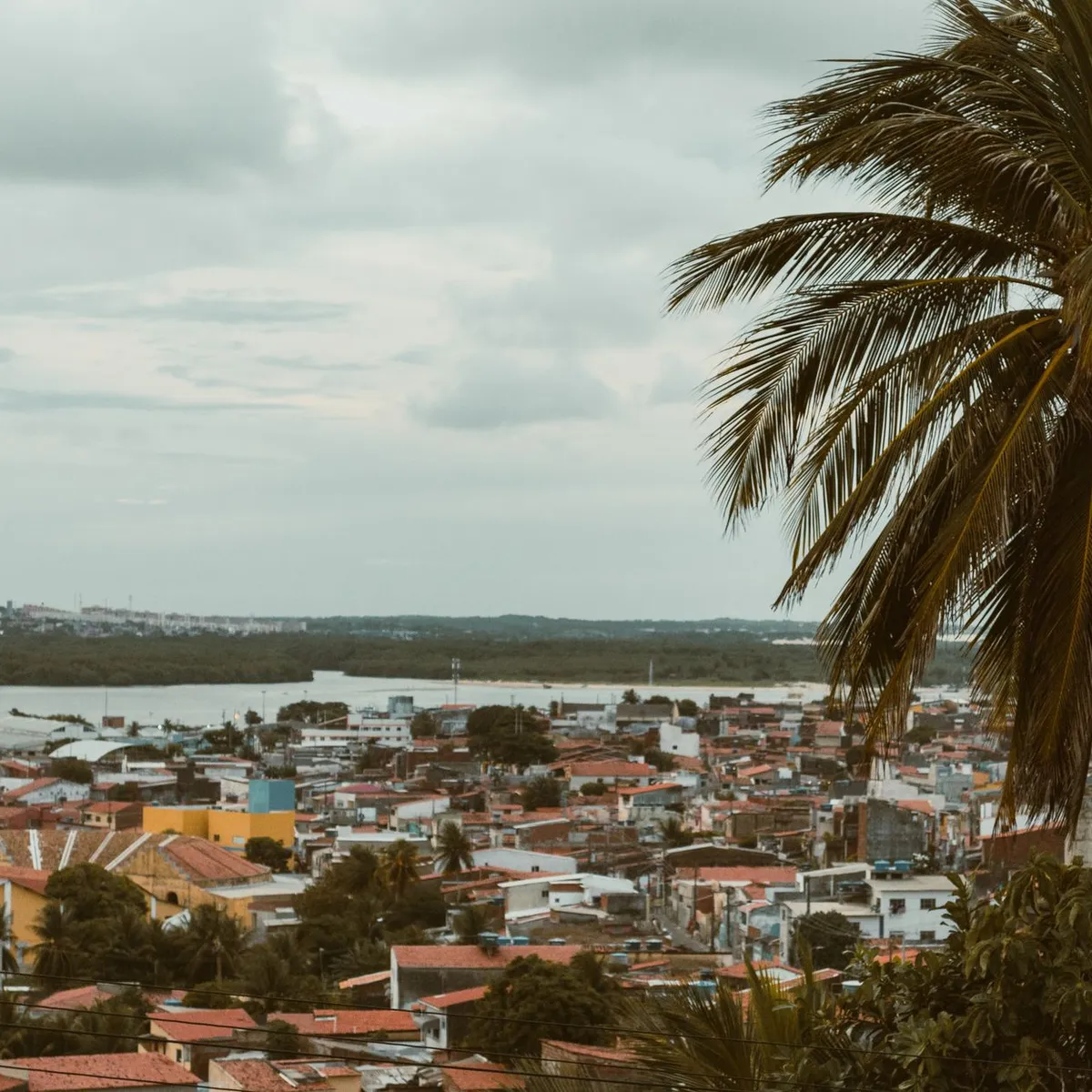
 Photo: Ivett M / Pexels
Natal
Natal accessibility for wheelchair users
Compare Natal by accessibility, transport, terrain, healthcare, cost, weather, laws, reviews, and community notes.
Natal accessibility scores
Compare Natal by accessibility, transport, terrain, healthcare, cost, weather, and laws. General stats use public data and models. Community rows reflect member reviews and votes.
General stats
National benchmarks and estimates — your experience in this city may differ.
Community
Starts from our estimate — thumbs up nudge toward Excellent, down toward Poor. Reviews use 1–5 stars.
These figures combine public statistics, models, and live weather where available. Every city is different — treat this as a guide, and share what you know in the Reviews & Corrections tab.
Profile last updated 6/30/2026.
Natal wheelchair accessibility guide
Research Natal for wheelchair users and caregivers: getting around, terrain, healthcare, costs, climate, accessible things to do, and practical caveats before booking.
Last updated 6/30/2026At a glance
Natal is a warm, coastal base in northeast Brazil with strong beach appeal but mixed wheelchair reliability. Use it as a managed beach-and-seafront stay rather than a city to explore spontaneously: the best days are built around Ponta Negra, the Via Costeira hotel strip, organized buggy/van operators, and indoor stops with level entrances. RollVenture's stored profile puts monthly living costs from ~$1,939/mo and housing from ~$727/mo. The city scores better on friendliness and cost than on safety, so visitors who need step-free routing should budget for door-to-door rides, daylight transfers, and hotels that confirm roll-in showers in writing.
Getting around
Public transport should be treated as backup rather than the main accessibility plan. Natal has buses and app-based rides, but curb heights, traffic, beach access points, and inconsistent driver familiarity can make independent rolling tiring. Choose accommodation close to the specific beach, clinic, or attraction you care about, and ask tour operators whether vehicles have low steps, space for a folding chair, and help with transfers. For longer outings, private drivers are often the practical option.
Terrain & mobility
The terrain profile is gently rolling, with a low sampled max grade, but the pavement profile flags cobblestone/sett and mixed surfacing. The beachfront promenades can be easier than older inland streets, while beach sand itself is usually not usable without beach-wheelchair support. Expect broken curb cuts and parked vehicles blocking ramps.
Healthcare & care
OpenStreetMap healthcare leads near the center include Natal cor, Hospital Naval de Natal, Clínica São Marcos, Emagrecentro, and Multifisio. Treat these as leads only: verify emergency capability, language support, wheelchair entrance, lift access, and appointment availability before relying on them. If you need regular therapy or personal care, arrange it before arrival through your hotel or insurer.
Costs & housing
The DB estimate is mid-range for Brazil, from ~$1,939/mo total. Accessible housing is the variable: beach hotels may have elevators but not true roll-in bathrooms, while apartment buildings can have narrow lifts or step thresholds. Ask for photos of the bathroom, entrance, elevator, bed height, and route from street to room.
Climate & comfort
Natal is hot, humid, sunny, and breezy. Heat management matters: plan early starts, shaded breaks, hydration, and backup indoor stops. Rain can quickly expose drainage problems and make curb ramps slippery.
Accessible things to do
Ponta Negra waterfront / Morro do Careca viewpoints— the signature seafront area is the easiest anchor for a low-effort day, but verify the exact promenade segment and beach access before committing.
Via Costeira hotel and beach corridor— useful for accessible lodging research and controlled transfers; confirm each property's entrance, lift, and bathroom details.
Forte dos Reis Magos— a major historic site for Natal; treat access as conditional because old fort surfaces and ramps may not suit all chairs.
Parque das Dunas visitor area— a green, shaded option; confirm current accessible trails, restroom access, and parking before visiting.
Community & language
Portuguese is essential outside hotels and larger tour operators. Bring short written phrases about ramps, step-free entrance, vehicle transfers, and bathroom dimensions. Local friendliness can be high, but practical accessibility still depends on pre-arranged help.
Would we recommend it?
Yes for beach-focused travelers who can pay for controlled transfers and verify lodging carefully. No for wheelchair users expecting reliable public transport, step-free streets, or easy independent access to sand and older attractions.
These figures combine public statistics, models, and live weather where available. Every city is different — treat this as a guide, and share what you know in the Reviews & Corrections tab.
Profile last updated 6/30/2026.
Reviews & corrections
Share your experience or suggest a data correction. Both appear publicly; admin updates official city scores and costs separately.
Log in to write a review or suggest a correction.
No reviews or corrections yet.