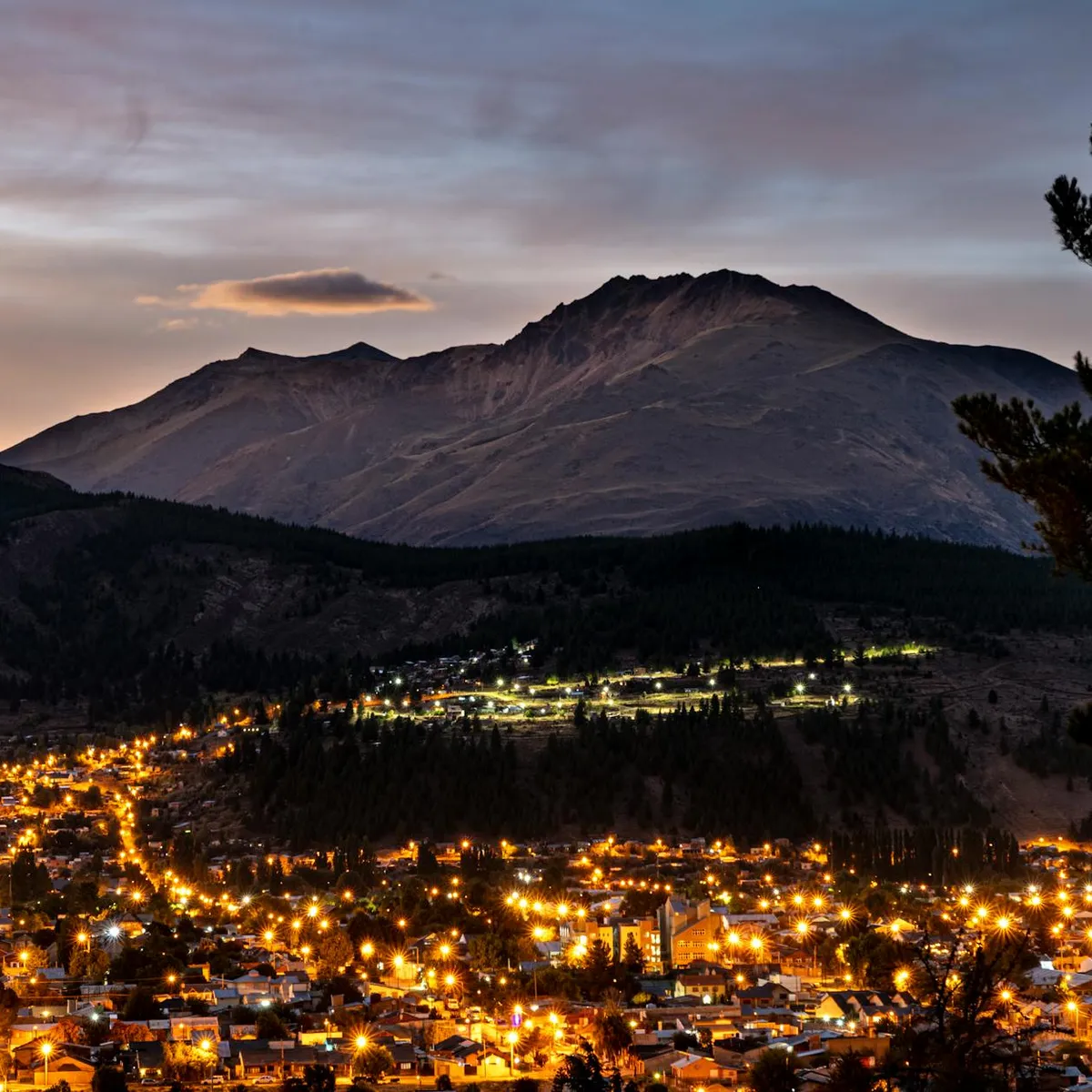
 Photo: Jose Luis Vanasco / Pexels
Neuquén
Neuquén accessibility for wheelchair users
Compare Neuquén by accessibility, transport, terrain, healthcare, cost, weather, laws, reviews, and community notes.
Neuquén accessibility scores
Compare Neuquén by accessibility, transport, terrain, healthcare, cost, weather, and laws. General stats use public data and models. Community rows reflect member reviews and votes.
General stats
National benchmarks and estimates — your experience in this city may differ.
Community
Starts from our estimate — thumbs up nudge toward Excellent, down toward Poor. Reviews use 1–5 stars.
These figures combine public statistics, models, and live weather where available. Every city is different — treat this as a guide, and share what you know in the Reviews & Corrections tab.
Profile last updated 6/30/2026.
Neuquén wheelchair accessibility guide
Research Neuquén for wheelchair users and caregivers: getting around, terrain, healthcare, costs, climate, accessible things to do, and practical caveats before booking.
Last updated 6/30/2026At a glance
Neuquén is a Patagonian regional capital at the Limay and Neuquén river confluence. It is more practical than scenic-only destinations: hospitals, clinics, malls, river promenades, and road links make it a useful base for wheelchair users exploring northern Patagonia. RollVenture's row gives it moderate accessibility, strong pavement confidence, and lower terrain comfort than flat coastal cities because some districts climb toward viewpoints.
Getting around
Use taxis, remis, or private transfers for reliable point-to-point movement. City buses should be checked locally route by route; do not assume ramp availability or consistent driver assistance. Neuquén is spread out, so choose lodging near the riverfront, downtown services, or the hospital/clinic area depending on priorities. For airport or bus-terminal transfers, confirm vehicle size and chair handling in advance.
Terrain & mobility
OpenTopoData marks the city as gently rolling, with a 3.2% sampled maximum grade and 144 m elevation range. Central and riverfront areas can be manageable, while viewpoint routes and some neighborhoods are more tiring. OSM pavement confidence is high, with asphalt and concrete common and 66% good surfaces in the sample. Still expect curb inconsistencies, unpaved shoulders, and wind-blown dust on exposed routes.
Healthcare & care
OSM lists multiple central medical leads, including Consultorios Externos PN, Sinergia Salud, Instituto Cardiovascular, Centro Médico Rigano, and Clínica Doctor Roberto Raña. These are not verified accessible facilities; call ahead about entrances, lifts, accessible toilets, insurance/payment, and after-hours care. Neuquén's role as a provincial capital is a plus for backup planning.
Costs & housing
The DB estimate is from ~$1,667/mo, with housing around $513/mo. Accessible apartments may be limited. Ask for exact lift dimensions, bathroom photos, shower type, building entrance slope, and whether winter heating and backup power are reliable.
Climate & comfort
Neuquén has hot summers, cool winters, low precipitation, and frequent wind. Dry weather can be good for rolling, but summer sun and Patagonian wind increase fatigue. Winter mornings can be cold; plan layers and battery range conservatively.
Accessible things to do
Paseo de la Costa— Riverfront promenade area with the best chance for relaxed rolling; verify current paving and accessible parking.
Balneario Río Grande / Limay river area— Useful for outdoor time; check ramps, path firmness, and seasonal crowds.
Museo Nacional de Bellas Artes Neuquén— Indoor cultural stop; contact ahead about step-free entrance and accessible restrooms.
Parque Norte / Mirador Balcón del Valle— Good city views but hillier access; best by vehicle with minimal rolling.
Central shopping and café areas— Practical low-risk option for supplies and breaks; verify entrance thresholds individually.
Community & language
Spanish is essential for arranging transport, housing, and care. Clinics and hotels may have limited English, so prepare written accessibility questions.
Would we recommend it?
If using Neuquén as a base for day trips, keep one rest day in town between longer transfers; Patagonia distances, wind, and dry air can make pressure care and battery management more demanding than the map suggests.
Yes, cautiously, as a practical Patagonia base rather than a fully accessible leisure city. Stronger pavement data and healthcare depth help, but transport and housing still need direct verification.
These figures combine public statistics, models, and live weather where available. Every city is different — treat this as a guide, and share what you know in the Reviews & Corrections tab.
Profile last updated 6/30/2026.
Reviews & corrections
Share your experience or suggest a data correction. Both appear publicly; admin updates official city scores and costs separately.
Log in to write a review or suggest a correction.
No reviews or corrections yet.