 Photo: Simon Steiner / Pexels
Orlando
Orlando accessibility for wheelchair users
Compare Orlando by accessibility, transport, terrain, healthcare, cost, weather, laws, reviews, and community notes.
Orlando accessibility scores
Compare Orlando by accessibility, transport, terrain, healthcare, cost, weather, and laws. General stats use public data and models. Community rows reflect member reviews and votes.
General stats
National benchmarks and estimates — your experience in this city may differ.
Community
Starts from our estimate — thumbs up nudge toward Excellent, down toward Poor. Reviews use 1–5 stars.
These figures combine public statistics, models, and live weather where available. Every city is different — treat this as a guide, and share what you know in the Reviews & Corrections tab.
Profile last updated 6/30/2026.
Orlando wheelchair accessibility guide
Research Orlando for wheelchair users and caregivers: getting around, terrain, healthcare, costs, climate, accessible things to do, and practical caveats before booking.
Last updated 6/30/2026At a glance
Orlando is a high-utility U.S. city for wheelchair users because it combines flat terrain, ADA obligations, major hospitals, and a tourism industry used to mobility devices. The database shows strong accessibility and pavement scores, and the terrain is gentle. The caveats are sprawl, heat, storms, and car dependence: many accessible experiences are excellent once you arrive, but getting between them can be the hard part.
Getting around
LYNX operates local transit, and its ACCESS LYNX page confirms a dedicated paratransit/access program for the service area. Fixed-route buses and downtown circulators can help, but Orlando is spread out; many visitors will still need an accessible rental vehicle, rideshare planning, hotel shuttles, or paratransit eligibility. Always confirm ramp/lift availability and pickup rules before relying on a time-sensitive trip.
Terrain & mobility
The DB terrain profile is gently rolling and low elevation, with a high-confidence pavement profile dominated by asphalt and paved surfaces. Downtown and tourism districts are generally easier than older, disconnected sidewalk corridors. Heat, shade, long crossings, and sudden rain are more important than hills.
Healthcare & care
The DB healthcare leads include Orlando Health Outpatient Rehabilitation, Bert Martin’s Champions for Children Emergency Department & Trauma Center, Aspire Health Partners Princeton, Anchor Direct Primary Care, and other clinics. Treat OSM entries as leads and verify the correct hospital campus, accessible entrance, insurance, and appointment support before travel.
Costs & housing
The database estimate is **from ~$3,720/mo**. Accessible hotel rooms are common but vary widely in real usability, especially bed height, roll-in shower layout, and shuttle access. For longer stays, modern apartments may be easier than older motels; confirm parking, elevator reliability, and storm procedures.
Climate & comfort
Orlando is hot, humid, and storm-prone. Summer heat can reduce battery range and make exposed sidewalks hard; afternoon thunderstorms require rain protection for electronics and cushions. Hurricane-season planning matters for longer stays. Build rest breaks into park days, carry more water than usual, and avoid routes that require long exposed parking-lot crossings at midday.
Accessible things to do
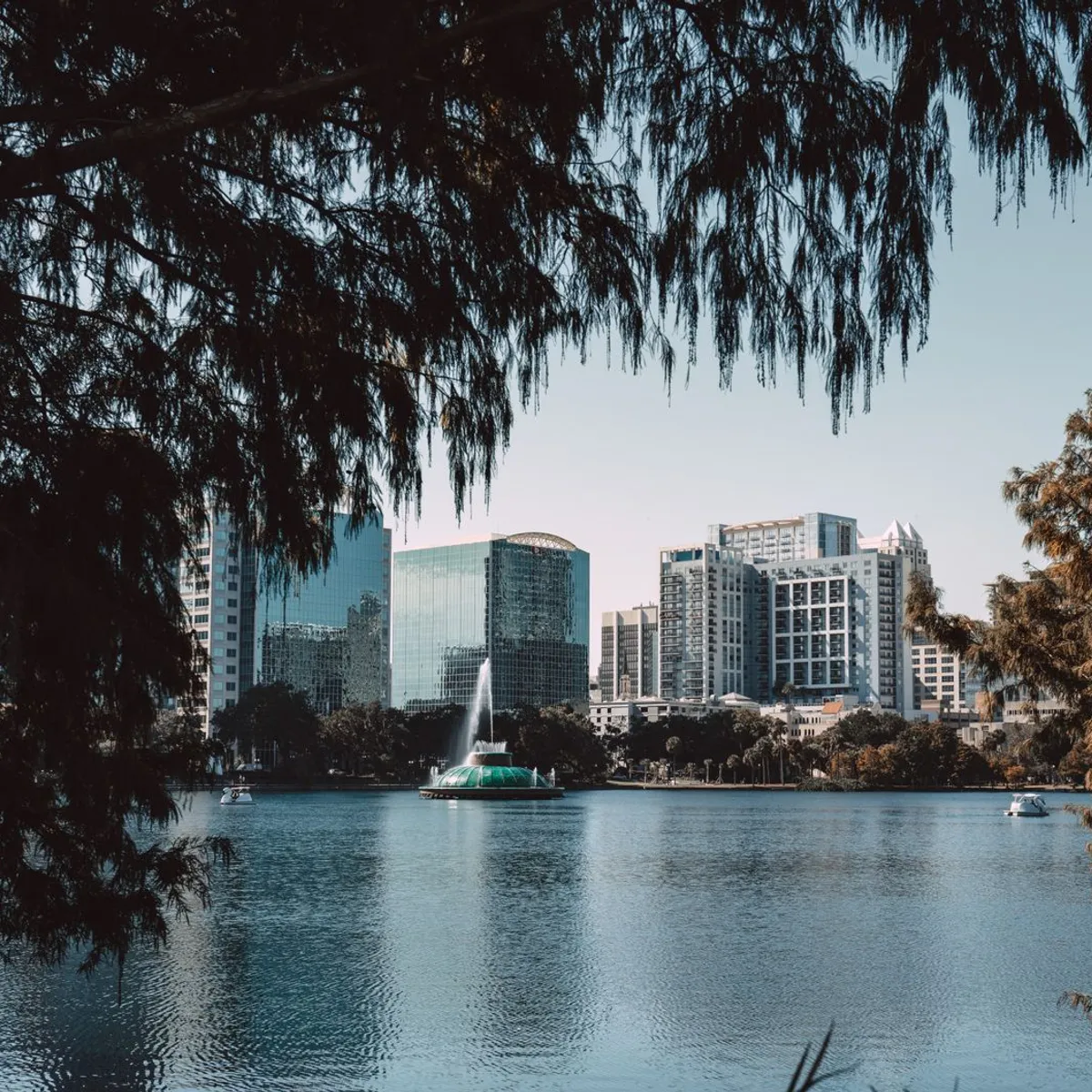
Lake Eola Park / Downtown Orlando— A central paved loop and downtown anchor; check event crowds, construction, and parking before going.
Dr. Phillips Center area— A practical downtown cultural zone for performances and dining; confirm seating, companion spaces, and drop-off.
Orlando theme-park day trips— Major parks publish accessibility programs, but each has different transfer, queue, and ride rules; read current venue guidance before buying.
Harry P. Leu Gardens— A lower-key outdoor option with garden paths; verify path conditions, accessible parking, and weather before visiting.
Community & language
English is the default, with Spanish widely useful. Tourism staff are used to accessibility questions, but precise needs still require written confirmation.
Would we recommend it?
Yes, strongly for travellers who can manage heat and transportation planning. Orlando is one of the more accessible U.S. tourism bases, but it works best with confirmed lodging, storm plans, and reliable door-to-door transport. It is less ideal for travellers who need spontaneous car-free wandering between neighborhoods.
These figures combine public statistics, models, and live weather where available. Every city is different — treat this as a guide, and share what you know in the Reviews & Corrections tab.
Profile last updated 6/30/2026.