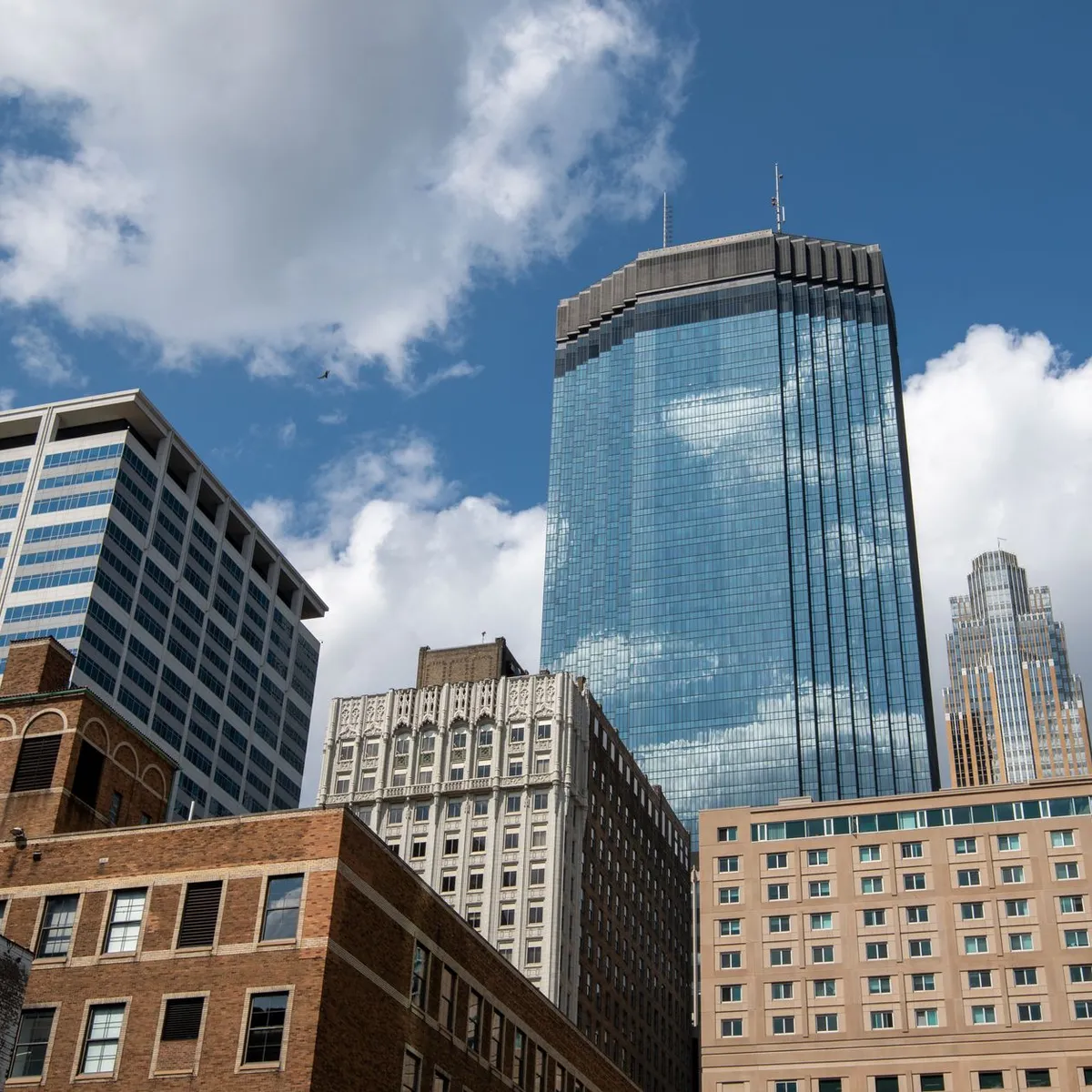
 Photo: Andrew Patrick Photo / Pexels
Minneapolis
Minneapolis accessibility for wheelchair users
Compare Minneapolis by accessibility, transport, terrain, healthcare, cost, weather, laws, reviews, and community notes.
Minneapolis accessibility scores
Compare Minneapolis by accessibility, transport, terrain, healthcare, cost, weather, and laws. General stats use public data and models. Community rows reflect member reviews and votes.
General stats
National benchmarks and estimates — your experience in this city may differ.
Community
Starts from our estimate — thumbs up nudge toward Excellent, down toward Poor. Reviews use 1–5 stars.
These figures combine public statistics, models, and live weather where available. Every city is different — treat this as a guide, and share what you know in the Reviews & Corrections tab.
Profile last updated 6/30/2026.
Minneapolis wheelchair accessibility guide
Research Minneapolis for wheelchair users and caregivers: getting around, terrain, healthcare, costs, climate, accessible things to do, and practical caveats before booking.
Last updated 6/30/2026At a glance
Minneapolis is a strong U.S. city for wheelchair users who value arts, parks, clinics, and transit options, but winter planning is non-negotiable. RollVenture's row estimates costs from ~$3,915/mo and housing from ~$1,758/mo, with good accessibility and infrastructure scores. The city is easier in late spring through fall; in winter, snow clearance, skyway hours, and backup transport determine how livable it feels.
Getting around
Metro Transit publishes accessibility information for buses and light rail, and eligible riders may use Metro Mobility paratransit. Buses and light rail can be very useful, but snow, elevator outages, station approaches, and last-mile sidewalks matter. The downtown skyway network can help in bad weather but is not a complete public sidewalk replacement and hours vary by building. For airport transfers, confirm wheelchair-accessible taxi or rideshare availability ahead of time.
Terrain & mobility
The DB terrain profile is gently rolling, and the pavement profile is high confidence with many asphalt, paved, and concrete ways. In warm months, many central and arts-district routes are manageable. In winter, curb cuts can disappear under plowed snow, bus stops can be blocked, and ramps may ice over. A power chair, strong tires, or reliable transfer support can materially change the experience.
Healthcare & care
The row lists OSM clinic leads and there are major healthcare systems across the Twin Cities. Treat the OSM entries as starting points, then confirm accessible exam tables, specialty referrals, insurance, and winter transport to appointments. Home-care staffing is possible but can be tight during storms; ask agencies how they handle severe weather and backup caregivers.
Costs & housing
Use the DB estimate of from ~$3,915/mo as a baseline. Minneapolis is more affordable than several coastal U.S. cities, but accessible units near transit, heated parking, or skyway-connected buildings cost more. Verify snow-removal policy, elevator redundancy, entrance slope, package/mail access, and whether management clears curb cuts as well as sidewalks.
Climate & comfort
Summer can be warm and pleasant, and fall is excellent. Winter is the defining accessibility challenge: cold, ice, snowbanks, and short daylight affect independence. Indoor cultural anchors are valuable, but a winter resident needs dependable building maintenance and transport.
Accessible things to do
Minneapolis Institute of Art— Publishes accessibility information and is a strong indoor museum anchor.
Walker Art Center and Minneapolis Sculpture Garden— Visitor accessibility information is available; outdoor paths should be checked for weather and construction.
Guthrie Theater— Offers accessibility services and bookable wheelchair seating; check performance-specific details.
Mill City Museum / riverfront area— A good history-and-riverfront option, with surfaces and seasonal conditions to verify.
Chain of Lakes paths— Excellent in good weather for outdoor rolling, but snow, detours, and surface conditions decide whether it is practical.
Community & language
English is the default, with large university, arts, healthcare, Somali, Hmong, and disability communities across the metro. People are often helpful, but winter conditions can overwhelm even well-intentioned systems.
Would we recommend it?
Yes, with a seasonal caveat. Minneapolis is appealing and relatively practical outside winter; for year-round living, only choose it with verified snow-resilient housing, transport backups, and care coverage.
These figures combine public statistics, models, and live weather where available. Every city is different — treat this as a guide, and share what you know in the Reviews & Corrections tab.
Profile last updated 6/30/2026.