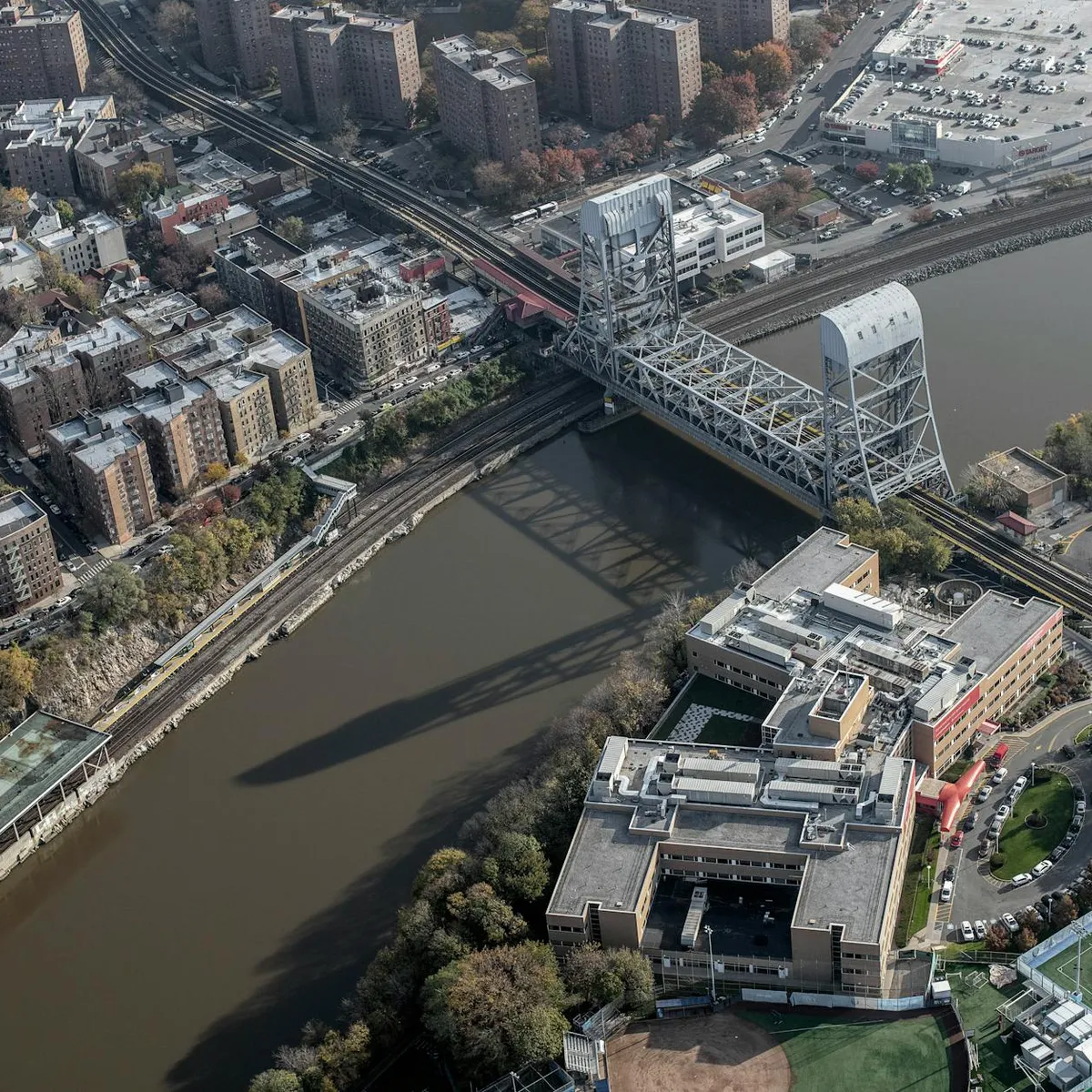
 Photo: MINEIA MARTINS / Pexels
The Bronx
The Bronx accessibility for wheelchair users
Compare The Bronx by accessibility, transport, terrain, healthcare, cost, weather, laws, reviews, and community notes.
The Bronx accessibility scores
Compare The Bronx by accessibility, transport, terrain, healthcare, cost, weather, and laws. General stats use public data and models. Community rows reflect member reviews and votes.
General stats
National benchmarks and estimates — your experience in this city may differ.
Community
Starts from our estimate — thumbs up nudge toward Excellent, down toward Poor. Reviews use 1–5 stars.
These figures combine public statistics, models, and live weather where available. Every city is different — treat this as a guide, and share what you know in the Reviews & Corrections tab.
Profile last updated 6/30/2026.
The Bronx wheelchair accessibility guide
Research The Bronx for wheelchair users and caregivers: getting around, terrain, healthcare, costs, climate, accessible things to do, and practical caveats before booking.
Last updated 6/30/2026At a glance
The Bronx can be a strong New York base for wheelchair users who want major parks, hospitals, culture, and subway/bus density without staying in Manhattan, but it requires block-by-block planning. RollVenture's live profile estimates monthly living cost from ~$4,220/mo and housing from ~$2,096/mo. Accessibility is best near newer buildings, major hospital corridors, Metro-North or accessible subway stations, and big institutions; older sidewalks, station gaps, hills, and elevator outages are the practical risks.
Getting around
Start with the MTA accessibility system for subway, bus, elevator, and paratransit status. Many Bronx subway stations are still not step-free, so route around elevators rather than assuming the nearest station works. Buses are often the more flexible option for local trips, but traffic and curb boarding conditions vary. Access-A-Ride can help for some riders, yet advance booking and pickup windows affect independence.
Terrain & mobility
The DB terrain profile is gently rolling, not mountainous, but the Bronx has real local slopes, older curb cuts, cracked sidewalks, tree-root heave, and winter/snow issues. Around the Grand Concourse, Fordham, Yankee Stadium, and major parks, surfaces can change quickly between wide sidewalks and crowded crossings. Build routes around accessible entrances, not just map distance.
Healthcare & care
The live healthcare profile includes Montefiore Medical Center's Moses campus and North Central Bronx Hospital as nearby emergency-capable anchors. New York's overall care ecosystem is deep, but appointment access, insurance fit, and transport time can be difficult. If you need attendant care, rehab, or DME repair, arrange providers before choosing a neighborhood.
Costs & housing
Use from ~$4,220/mo overall and ~$2,096/mo housing as a starting estimate. Elevator buildings exist, but accessible unit quality varies widely. Ask about elevator outage history, hallway width, bathroom layout, package/mail access, laundry route, winter snow clearing, and whether nearby subway stations are actually accessible.
Climate & comfort
Humid summers, winter snow, and freeze-thaw sidewalk damage all matter. Summer subway platforms can be hot, while winter curb ramps may be blocked by snow or trash piles. Have bus backups, elevator status checks, and indoor rest points for long days.
Accessible things to do
Bronx Zoo— the official accessibility page gives detailed ride notes, including ramp loading for the Bug Carousel, wheelchair routes in Nature Trek, and width limits or transfer notes for some experiences.
New York Botanical Garden— the official site maintains visitor accessibility information and is one of the best major outdoor/indoor anchors in the borough; verify seasonal route changes.
Wave Hill— the official accessibility page notes limited wheelchair-accessible parking, paved parking/front entrance areas, accessible Wave Hill House, Glyndor Gallery, and Perkins Visitor Center, plus caveats for unpaved paths and the historic conservatory.
Yankee Stadium area— the MLB accessibility guide URL returned 404 in this check, so treat it as a lead and verify current seating, elevator, bag, and drop-off details directly before game day.
Community & language
English and Spanish are both widely useful. The Bronx has strong neighborhood identity and many healthcare, university, and cultural institutions. Asking locals about the most reliable entrance or bus stop is often more useful than relying on a map alone.
Would we recommend it?
Yes, for wheelchair users who want New York density and can plan around station accessibility. It is less suitable if elevator outages, winter curb ramps, or crowded sidewalks would be deal-breakers.
These figures combine public statistics, models, and live weather where available. Every city is different — treat this as a guide, and share what you know in the Reviews & Corrections tab.
Profile last updated 6/30/2026.