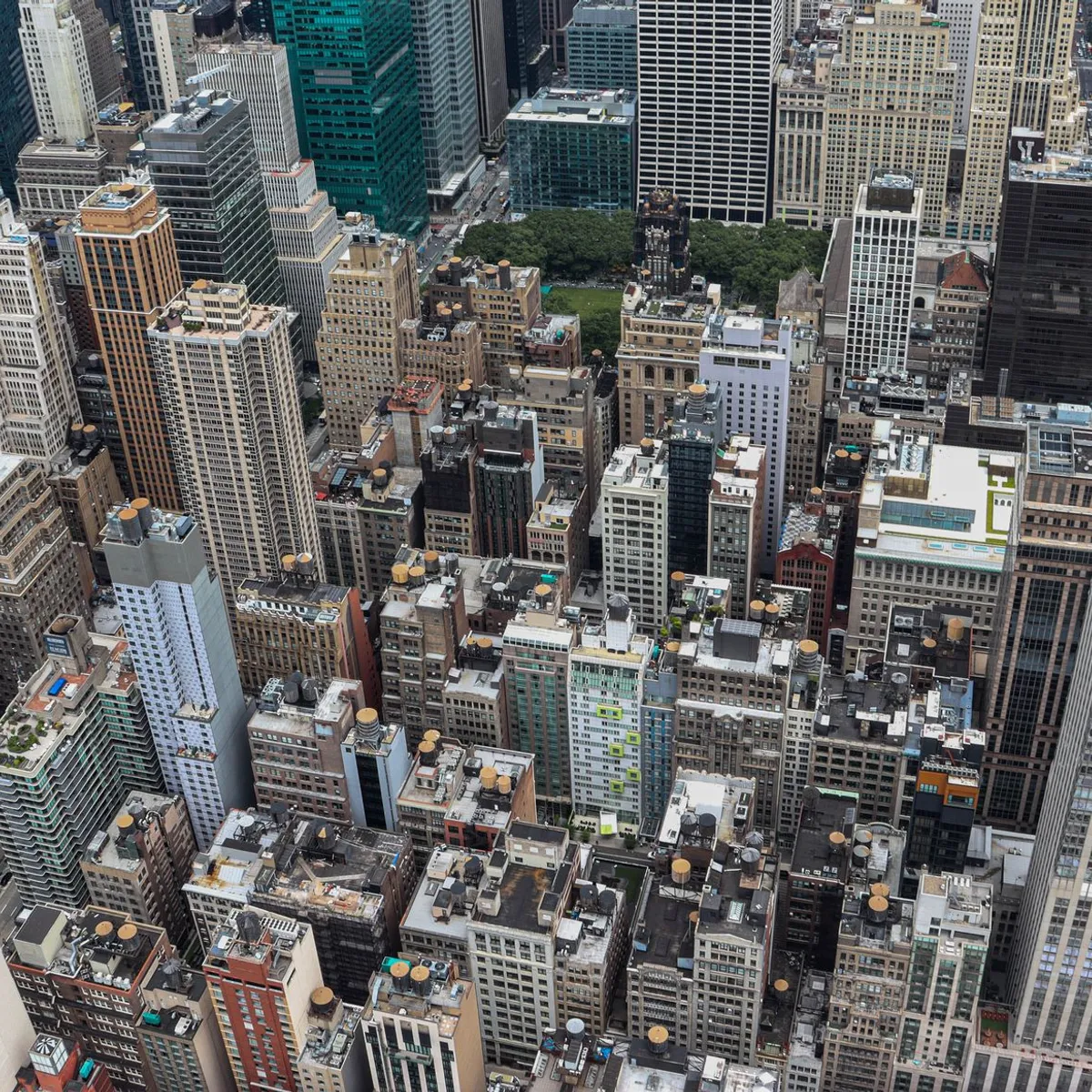
 Photo: Daniel Ford / Pexels
New York City
New York City accessibility for wheelchair users
Compare New York City by accessibility, transport, terrain, healthcare, cost, weather, laws, reviews, and community notes.
New York City accessibility scores
Compare New York City by accessibility, transport, terrain, healthcare, cost, weather, and laws. General stats use public data and models. Community rows reflect member reviews and votes.
General stats
National benchmarks and estimates — your experience in this city may differ.
Community
Starts from our estimate — thumbs up nudge toward Excellent, down toward Poor. Reviews use 1–5 stars.
These figures combine public statistics, models, and live weather where available. Every city is different — treat this as a guide, and share what you know in the Reviews & Corrections tab.
Profile last updated 6/30/2026.
New York City wheelchair accessibility guide
Research New York City for wheelchair users and caregivers: getting around, terrain, healthcare, costs, climate, accessible things to do, and practical caveats before booking.
Last updated 6/30/2026At a glance
New York City is one of the highest-opportunity cities in the dataset and also one of the most demanding. RollVenture shows strong accessibility and infrastructure scores, excellent pavement sampling, and huge healthcare density, but costs are extreme: about $6,655/month, with housing from ~$4,256/mo. The best strategy is not “NYC is accessible”; it is choosing a specific borough/neighborhood, subway/elevator plan, and medical/service network that match your mobility.
Getting around
NYC has buses with wheelchair access, many accessible taxis/for-hire options, paratransit, ferries, commuter rail, and an expanding but still incomplete accessible subway network. The MTA accessibility page was blocked during this check, so verify station elevator status and Access-A-Ride details directly before relying on any route. Buses can be more predictable than subway elevators for some daily trips, but traffic and curb conditions matter.
Terrain & mobility
Manhattan’s grid, waterfront parks, and many commercial districts can work well, and RollVenture’s pavement profile is high-confidence with many asphalt/concrete surfaces. The barriers are crowds, construction sheds, curb cuts blocked by vehicles, old buildings, subway elevator outages, and winter slush.
Healthcare & care
The DB profile lists several hospitals and clinics around the core, including Lenox Health Greenwich Village as an emergency-hospital lead and other medical facilities. NYC’s healthcare depth is a major advantage, but appointment access, insurance, transport time, and accessible exam equipment vary by provider.
Costs & housing
This is the hardest category. Budget from ~$6,655/month, and expect accessible housing to cost more than generic averages. Prioritize elevator buildings with backup plans, no-step lobby access, wide bathroom layout, reliable heat/AC, and a route to groceries and transit that does not depend on one elevator.
Climate & comfort
Summers are hot and humid, winters bring slush and curb piles, and rain can expose bad drainage at curb ramps. Air quality and crowding vary by neighborhood and season.
Accessible things to do
Mayor’s Office for People with Disabilities resources— the NYC MOPD site opened and is a useful starting point for city accessibility services and policy resources.
Central Park perimeter and major paths— many routes can be practical, but check surfaces, hills, bathrooms, and event closures before a long roll.
The Metropolitan Museum of Art / major museums— usually strong indoor access candidates, but the checked Met accessibility page rate-limited, so verify current entrance and wheelchair policies directly.
Ferries and waterfront parks— often useful for step-free sightseeing, but confirm gangway slope, weather disruption, and accessible restroom availability.
For a trial stay, pick one “home triangle”: housing, transit, and healthcare or groceries. If that triangle works without a single fragile elevator or curb cut, the rest of the city becomes much easier to enjoy selectively.
Community & language
English dominates, but NYC is multilingual and has deep disability, healthcare, arts, and mutual-aid communities. The challenge is coordination, not scarcity.
Would we recommend it?
Yes for wheelchair users who can afford it and are willing to plan routes around elevators, crowds, and weather. It is one of the best cities for opportunity, but not for low-stress simplicity.
These figures combine public statistics, models, and live weather where available. Every city is different — treat this as a guide, and share what you know in the Reviews & Corrections tab.
Profile last updated 6/30/2026.