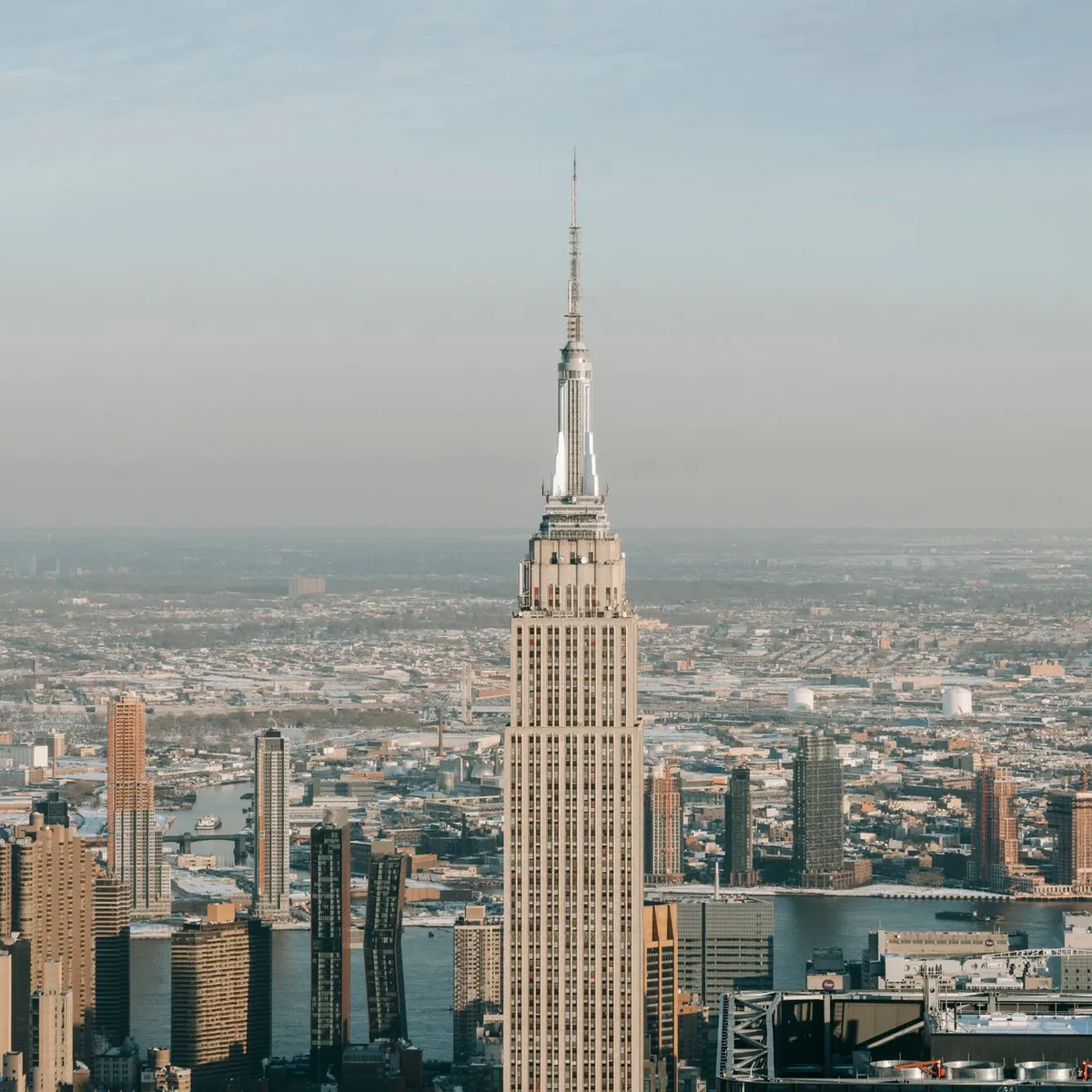
 Photo: Laura Tancredi / Pexels
Manhattan
Manhattan accessibility for wheelchair users
Compare Manhattan by accessibility, transport, terrain, healthcare, cost, weather, laws, reviews, and community notes.
Manhattan accessibility scores
Compare Manhattan by accessibility, transport, terrain, healthcare, cost, weather, and laws. General stats use public data and models. Community rows reflect member reviews and votes.
General stats
National benchmarks and estimates — your experience in this city may differ.
Community
Starts from our estimate — thumbs up nudge toward Excellent, down toward Poor. Reviews use 1–5 stars.
These figures combine public statistics, models, and live weather where available. Every city is different — treat this as a guide, and share what you know in the Reviews & Corrections tab.
Profile last updated 6/30/2026.
Manhattan wheelchair accessibility guide
Research Manhattan for wheelchair users and caregivers: getting around, terrain, healthcare, costs, climate, accessible things to do, and practical caveats before booking.
Last updated 6/30/2026At a glance
Manhattan is one of the most resource-rich wheelchair bases in the world, but it is also expensive, crowded, and operationally demanding. RollVenture estimates monthly living costs from ~$4264/mo and housing from ~$2132/mo, though truly accessible apartments in convenient areas can run higher. The upside is density: hospitals, culture, grocery delivery, buses, taxis, and paratransit are close together compared with most U.S. cities.
Getting around
The MTA accessibility site is essential for station planning because not every subway stop is step-free and elevators can go out. Buses are often a better wheelchair default for north-south and crosstown trips, but traffic can be slow. Accessible taxis and Access-A-Ride help fill gaps, while sidewalks make many short trips possible. Always check elevator status, curb cuts, and construction before assuming a route works.
Terrain & mobility
The DB marks Manhattan as gently rolling with a high pavement score. Central and lower Manhattan are generally manageable, but curb cuts, cellar doors, scaffolding, crowds, and winter snow piles can create daily obstacles. The Upper West and Upper East Sides are easier than some hillier uptown areas. Parks and waterfront greenways can be excellent, but entrances vary.
Healthcare & care
The DB healthcare leads include Manhattan hospitals and clinics from OSM; use them as leads rather than guarantees. Manhattan has deep specialty care, rehabilitation, and private-care options, but insurance, wait times, and accessible exam-room details still need confirmation. If you need daily aides, building rules, elevator reliability, and service-animal policies should be checked before signing anything.
Costs & housing
Housing is the biggest constraint. A listing can say elevator and still fail because of a step at the entrance, narrow bathroom, heavy doors, or unreliable lifts. Ask for photos and measurements of the building entry, elevator, bathroom, shower, kitchen turning radius, and laundry route. Being near accessible bus routes may matter more than being near a non-accessible subway station.
Climate & comfort
Manhattan has humid summers, cold winters, and messy curb conditions after snow. Heat radiating from pavement and subway infrastructure can be draining. Indoor backup routes through museums, malls, and large public buildings are useful during bad weather.
Accessible things to do
The Metropolitan Museum of Art— Publishes accessibility information and is a major indoor anchor with elevators and accessible entrances to verify.
Central Park— Offers many paved routes, but entrances, grades, and restroom access vary; choose loops carefully.
MoMA— Publishes accessibility information and is a strong step-free cultural option when galleries and elevators are operating normally.
High Line— Has elevator access at selected points, but outages and crowding can change feasibility; check before going.
Hudson River Park / waterfront greenway— Long paved sections can be excellent for rolling, weather permitting.
Community & language
English is dominant, with Spanish and many other languages widely available. Disability advocacy, adaptive arts, and specialist medical communities are strong, but the city can be intense for anyone who needs quiet, wide spaces, or predictable travel.
Would we recommend it?
Yes if budget allows and you are comfortable planning around elevators and crowds. Manhattan's density is a genuine accessibility advantage, but only when housing, transit backups, and care logistics are verified in advance.
These figures combine public statistics, models, and live weather where available. Every city is different — treat this as a guide, and share what you know in the Reviews & Corrections tab.
Profile last updated 6/30/2026.