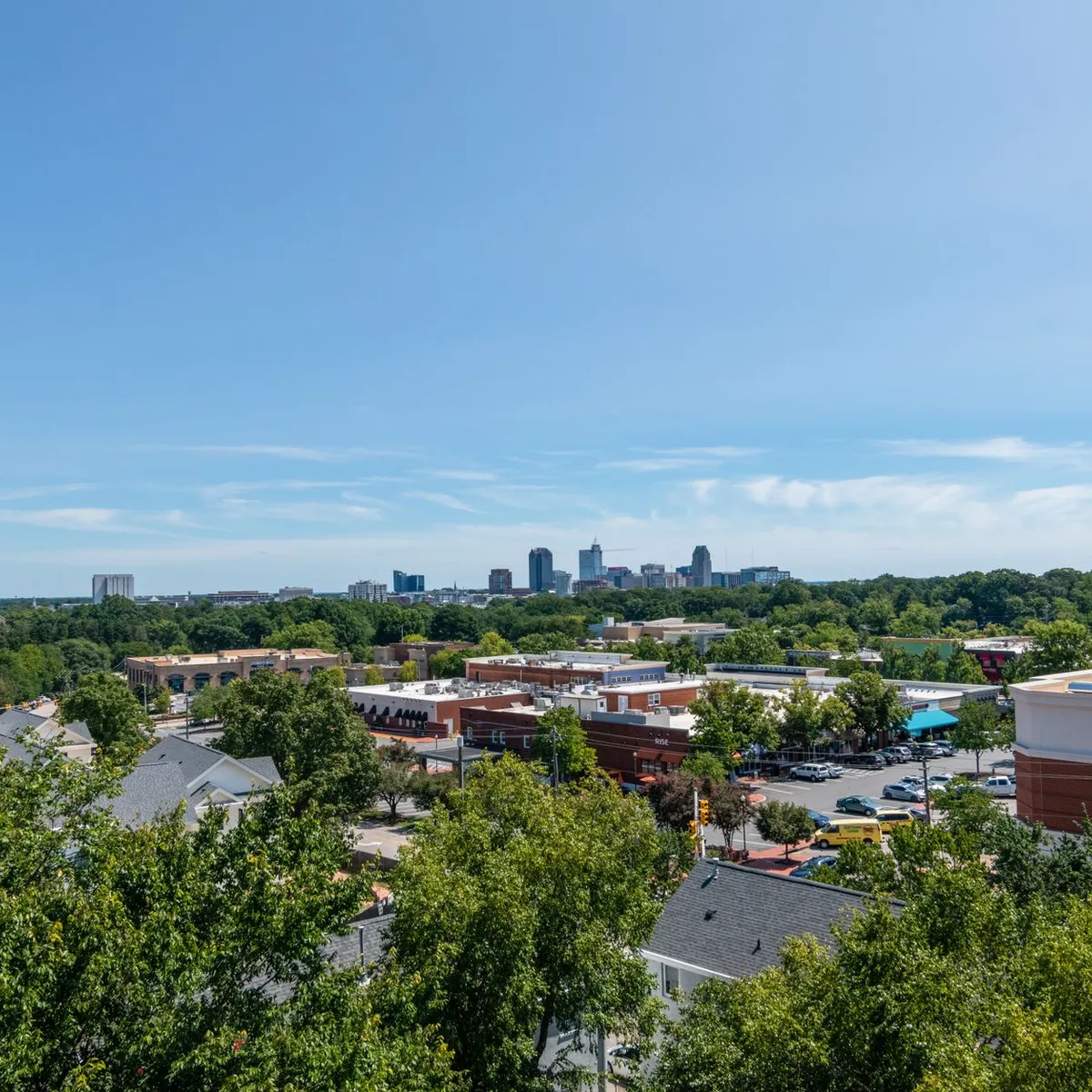
 Photo: Curtis Adams / Pexels
West Raleigh
West Raleigh accessibility for wheelchair users
Compare West Raleigh by accessibility, transport, terrain, healthcare, cost, weather, laws, reviews, and community notes.
West Raleigh accessibility scores
Compare West Raleigh by accessibility, transport, terrain, healthcare, cost, weather, and laws. General stats use public data and models. Community rows reflect member reviews and votes.
General stats
National benchmarks and estimates — your experience in this city may differ.
Community
Starts from our estimate — thumbs up nudge toward Excellent, down toward Poor. Reviews use 1–5 stars.
These figures combine public statistics, models, and live weather where available. Every city is different — treat this as a guide, and share what you know in the Reviews & Corrections tab.
Profile last updated 6/30/2026.
West Raleigh wheelchair accessibility guide
Research West Raleigh for wheelchair users and caregivers: getting around, terrain, healthcare, costs, climate, accessible things to do, and practical caveats before booking.
Last updated 6/30/2026At a glance
West Raleigh is one of the stronger U.S. entries in this tranche for wheelchair users who want a practical base near museums, universities, parks, and major medical services. The live row scores it 71 overall and 83 for accessibility, with estimated monthly living costs from ~$3,939/mo and housing from ~$1,745/mo. It is not a compact tourist city center; it works best if you plan around specific accessible destinations and ride-hail, paratransit, or a car.
Getting around
GoRaleigh and regional services are the public-transit backbone, and the database’s wheelchair-transport score is 84. Treat bus access as useful but route-specific: check stop surfaces, curb ramps, and transfer timing before committing to an apartment or hotel. For longer stays, West Raleigh is often easier with a vehicle because destinations such as NC State, the museum district, Pullen Park, and medical offices are spread out.
Terrain & mobility
The terrain profile is gently rolling, with 100% flat samples and a modest 1.1% sampled max grade. Pavement data is unusually good for this batch: 82% good surfaces with high confidence, mostly asphalt plus some untagged or gravel segments. The main caveat is campus-and-park scale: distances can be long even when slopes are manageable.
Healthcare & care
OpenStreetMap health leads include Planned Parenthood - Raleigh Health Center, Blue Ridge Surgery Center, UNC Urgent Care, Med Mart Urgent Care, and People's Medical Care within the wider Raleigh area. These are leads, not guarantees. For ongoing care, verify insurance networks, transfer equipment, accessible exam tables, and in-home aide availability before arrival. Estimated medical costs are from ~$214/mo and home aid from ~$886/mo.
Costs & housing
This is a mid-to-high cost U.S. option rather than a budget relocation. Look for newer elevator buildings or ground-floor units near Blue Ridge Road, Hillsborough Street, or transit corridors, then verify step-free entrances, door widths, roll-in shower availability, and sidewalk continuity between the building and daily errands.
Climate & comfort
Summers are hot and humid, with thunderstorms; winters are generally mild but can still bring occasional ice. Heat management, shaded routes, and reliable air-conditioning matter more than snow planning.
Accessible things to do
North Carolina Museum of Art— Official accessibility information lists free ADA-compliant parking, accessible restrooms, elevators in East Building, automatic doors, and first-come manual and motorized wheelchairs; the park has paved routes but some grades exceed ADA recommendations.
NCMA All-Access Eco Trail— The museum describes a shorter wheelchair-accessible route of about a quarter mile on paved, mostly level pathways, with audio descriptions available through its park app and web version.
Pullen Park— A classic Raleigh park near NC State; verify ride access and surface details before going, but the park area is a practical outdoor anchor for visitors who need short, planned outings.
JC Raulston Arboretum— A major NC State garden close to West Raleigh; use it as a daylight, weather-dependent visit and confirm current accessible parking, restroom, and path conditions before visiting.
Community & language
English is the default, and university, healthcare, and museum staff are accustomed to visitors. The area is more suburban-campus than dense downtown, so community depends heavily on choosing the right neighborhood and transport setup.
Would we recommend it?
Yes, for users who want a U.S. medical-and-museum base with relatively manageable terrain and strong destination accessibility. It is less ideal for someone who needs a car-free, compact, curb-to-curb lifestyle.
These figures combine public statistics, models, and live weather where available. Every city is different — treat this as a guide, and share what you know in the Reviews & Corrections tab.
Profile last updated 6/30/2026.