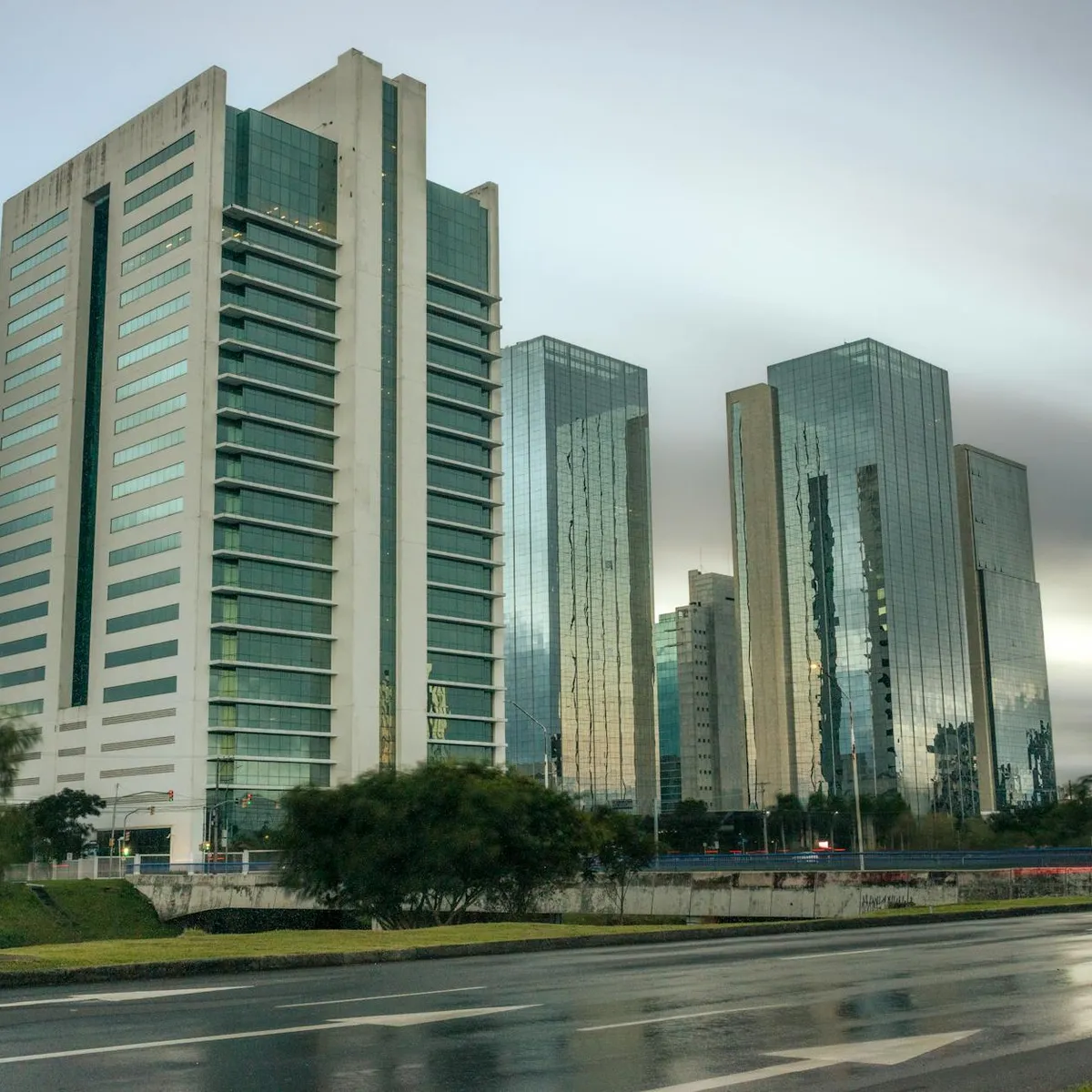
 Photo: Leandro Bezerra / Pexels
Porto Alegre
Porto Alegre accessibility for wheelchair users
Compare Porto Alegre by accessibility, transport, terrain, healthcare, cost, weather, laws, reviews, and community notes.
Porto Alegre accessibility scores
Compare Porto Alegre by accessibility, transport, terrain, healthcare, cost, weather, and laws. General stats use public data and models. Community rows reflect member reviews and votes.
General stats
National benchmarks and estimates — your experience in this city may differ.
Community
Starts from our estimate — thumbs up nudge toward Excellent, down toward Poor. Reviews use 1–5 stars.
These figures combine public statistics, models, and live weather where available. Every city is different — treat this as a guide, and share what you know in the Reviews & Corrections tab.
Profile last updated 6/30/2026.
Porto Alegre wheelchair accessibility guide
Research Porto Alegre for wheelchair users and caregivers: getting around, terrain, healthcare, costs, climate, accessible things to do, and practical caveats before booking.
Last updated 6/30/2026At a glance
Porto Alegre is a large southern Brazilian city with hospitals, universities, parks and a waterfront that can support a more practical stay than many smaller cities. RollVenture scores it overall 54, accessibility 45, ramp availability 45 and wheelchair transport 49. Costs are moderate: from ~$2,055/mo, with housing from ~$818/mo. The city is not seamless, and safety and sidewalk quality vary by area, but its flat-to-gently rolling core and service depth make it one of the better candidates in this group.
Getting around
Private cars, ride-hail and carefully chosen neighborhoods are the safest default. Porto Alegre has metro/bus infrastructure, but step-free access, lift status, curb approaches and station-to-destination routes should be checked before relying on public transport. For appointments, choose lodging near the hospital or waterfront district you need, and avoid long sidewalk transfers after dark.
Terrain & mobility
The DB terrain profile is gently rolling, with a good but not perfect pavement score. Porto Alegre has many paved streets, but also sett paving, older sidewalks, tree roots, drainage lips and busy crossings. Newer waterfront areas, malls, cultural centers and hospital campuses are more likely to be manageable than older side streets. Rain can expose curb and drainage problems quickly.
Healthcare & care
OSM healthcare leads include Policlínica Militar de Porto Alegre, Unidade Álvaro Alvim - HCPA, MedCenter and other clinics. Porto Alegre’s broader medical ecosystem is a real advantage, but each facility still needs access verification: emergency entrance, ramps, elevators, specialist availability, payment rules and whether caregivers can accompany the patient.
Costs & housing
Estimated living cost starts around ~$2,055/mo and housing around ~$818/mo. Look for modern apartment buildings with garage-to-elevator access, staffed reception, reliable lifts and nearby pharmacies. Ask for videos of the entrance, bathroom and route to the nearest supermarket or clinic. Flooding, security and backup power are worth checking for longer stays.
Climate & comfort
The city has humid summers, cool winters and heavy rain events. Wheelchair users should plan around slick paving, sudden storms and heat on exposed waterfront routes. Air-conditioning, winter heating and dry entryways matter more than the mild average climate suggests.
Accessible things to do
Orla do Guaíba waterfront— The renewed waterfront is one of the better outdoor candidates because it has broad public paths and open space. Check current surface conditions, restroom access and safe drop-off points.
Fundação Iberê Camargo— A major contemporary-art institution in a purpose-built building. Confirm lift routes, accessible restrooms and taxi drop-off, but it is a stronger candidate than many older venues.
Parque Farroupilha / Redenção— A central park useful for a short daytime roll on main paths. Expect uneven sections, vendors and limited restroom certainty.
Mercado Público— A classic food-and-market stop near the center. Go at quieter times, expect crowds and older surfaces, and confirm step-free entrance options before relying on it.
Community & language
Portuguese is essential for housing, taxis and care. English is limited outside hotels and private medical settings. Porto Alegre’s size helps with universities, clinics, repair services and private caregivers, but local support should be arranged before arrival.
Would we recommend it?
Yes, cautiously. Porto Alegre is not a polished accessible destination, but it has enough medical depth, housing stock and manageable public spaces to be viable for a prepared wheelchair user who prioritizes neighborhood choice and safety planning.
These figures combine public statistics, models, and live weather where available. Every city is different — treat this as a guide, and share what you know in the Reviews & Corrections tab.
Profile last updated 6/30/2026.
Reviews & corrections
Share your experience or suggest a data correction. Both appear publicly; admin updates official city scores and costs separately.
Log in to write a review or suggest a correction.
No reviews or corrections yet.