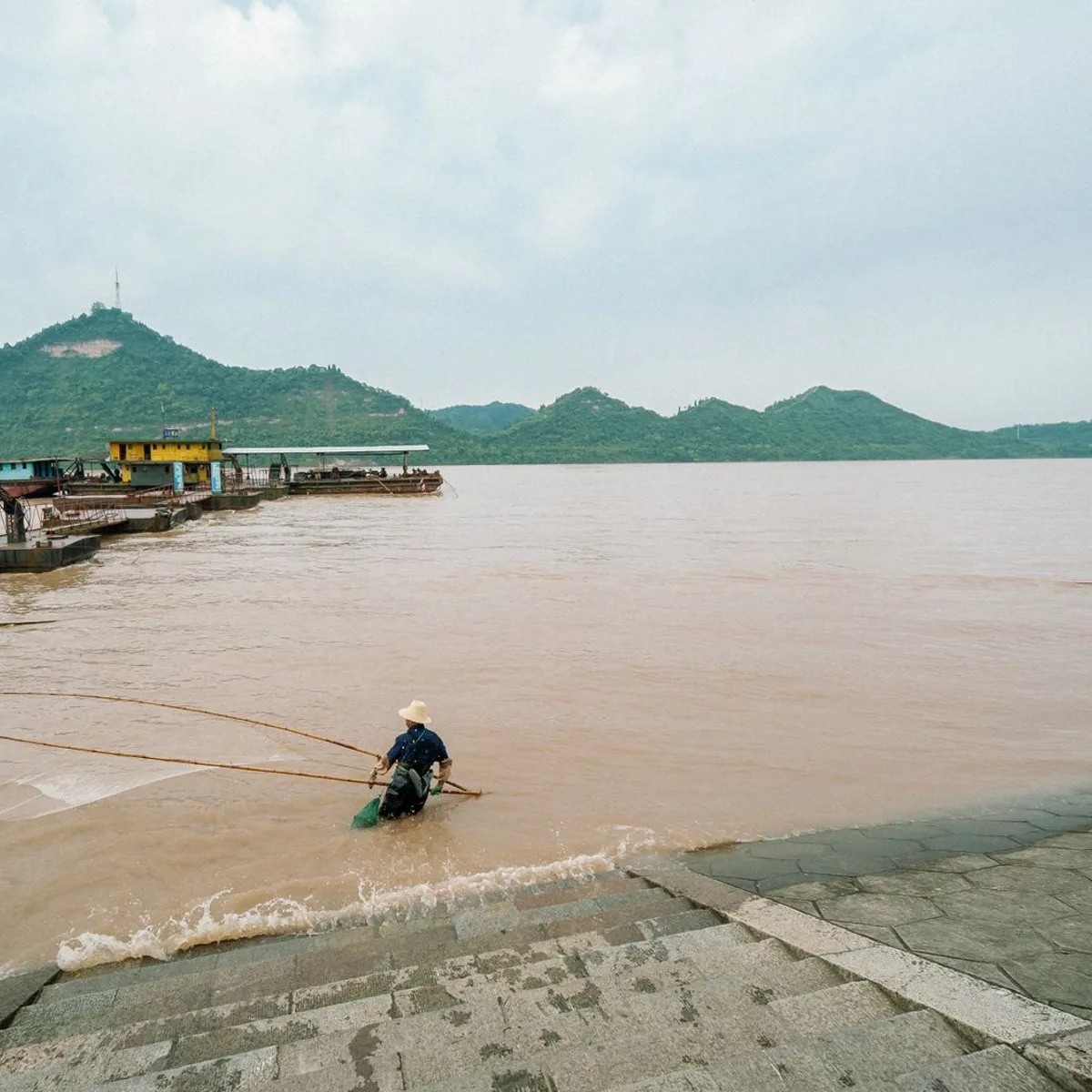
 Photo: Leon Huang / Pexels
Puyang Chengguanzhen
Puyang Chengguanzhen accessibility for wheelchair users
Compare Puyang Chengguanzhen by accessibility, transport, terrain, healthcare, cost, weather, laws, reviews, and community notes.
Puyang Chengguanzhen accessibility scores
Compare Puyang Chengguanzhen by accessibility, transport, terrain, healthcare, cost, weather, and laws. General stats use public data and models. Community rows reflect member reviews and votes.
General stats
National benchmarks and estimates — your experience in this city may differ.
Community
Starts from our estimate — thumbs up nudge toward Excellent, down toward Poor. Reviews use 1–5 stars.
These figures combine public statistics, models, and live weather where available. Every city is different — treat this as a guide, and share what you know in the Reviews & Corrections tab.
Profile last updated 6/30/2026.
Puyang Chengguanzhen wheelchair accessibility guide
Research Puyang Chengguanzhen for wheelchair users and caregivers: getting around, terrain, healthcare, costs, climate, accessible things to do, and practical caveats before booking.
Last updated 6/30/2026At a glance
Puyang Chengguanzhen is the central urban area of Puyang in Henan, a flatter North China Plain city where the basic mobility picture is easier than in many hill towns but still needs careful local checking. RollVenture’s live row gives it a mostly flat terrain profile, a low-confidence pavement sample, and a monthly living-cost estimate from ~$2,152/mo, so the value case is moderate rather than ultra-cheap. The best fit is a wheelchair user who can travel with a Mandarin-speaking helper, pre-book accessible rooms by phone, and treat local attraction access as something to verify rather than assume.
Getting around
Puyang is not a subway city, so day-to-day movement depends on taxis, ride-hailing, local buses, and private drivers. The central grid and flat grades help, but curb cuts, blocked sidewalks, driveway lips, and road crossings can still decide whether a route is practical. For intercity travel, use nearby high-speed or conventional rail options only after confirming the exact station, lift access, step-free route, and staff assistance window; do not assume every smaller station entrance is equally accessible.
Terrain & mobility
The DB terrain profile is the strongest mobility signal: mostly flat, average elevation around 52 m, and only small sampled elevation variation. That is good for manual chairs and scooters compared with mountain cities. The caveat is pavement confidence. OSM surface data around the city has very few tagged surfaces, so the safest plan is to scout hotel-to-hospital and hotel-to-park routes first, then build daily plans around proven corridors rather than around map distance.
Healthcare & care
OpenStreetMap lists several nearby healthcare leads, including 濮阳市整形美容医院, 社区卫生服务, 胡乜村卫生室, 西医诊所, and 社区卫生服务(景观城). Treat these as starting points only: verify departments, wheelchair entrance, lift size, payment, translation, and appointment rules before relying on them. For ongoing care, ask a local contact to identify a larger general hospital in Puyang and confirm whether rehabilitation, wound care, prescriptions, and emergency intake are practical for foreign or out-of-province visitors.
Costs & housing
The row estimates total living costs from ~$2,152/mo and housing from ~$749/mo. Those numbers are useful for comparison but should not replace current rental checks. Wheelchair users should prioritize elevators with backup power, no step at the building entrance, roll-in bathroom measurements, and a neighborhood with nearby pharmacies and food delivery. A newer apartment block may be more useful than a cheaper walk-up near an older market street.
Climate & comfort
Puyang has a continental North China climate: hot, humid summers, cold winters, dustier dry spells, and occasional heavy rain. Heat management matters for power-chair batteries and pressure-care routines; winter clothing and glove dexterity matter for manual-chair users. Air quality can also fluctuate, so travelers with respiratory issues should track AQI and keep a backup indoor plan.
Accessible things to do
Qicheng Cultural Relics Scenic Area— Puyang is associated with ancient city remains and heritage tourism; use this as a cautious outdoor-history option and call ahead about step-free paths, toilets, and parking.
Puyang Museum— a likely better bad-weather anchor than outdoor ruins; verify current opening hours, lift access, and accessible restroom availability.
Pushui Park / city parks— flat park paths can be useful for low-effort days, but check pavement continuity and curb cuts at entrances.
Central shopping plazas— modern malls are often the most predictable accessible public spaces for food, toilets, and weather breaks; verify elevators and accessible restrooms on arrival.
Community & language
Mandarin is essential for logistics. English support is limited outside hotels or younger service staff, so keep addresses in Chinese, use translation apps, and have a local helper call venues. Disability awareness may be practical but inconsistent; direct, specific requests work better than general “accessible?” questions.
Would we recommend it?
Yes, cautiously, for experienced China travelers who want a flat, lower-pressure Henan base and can verify housing and care locally. It is not a first-choice destination for a wheelchair user arriving without Mandarin support, but the flat terrain and moderate costs make it workable with preparation.
These figures combine public statistics, models, and live weather where available. Every city is different — treat this as a guide, and share what you know in the Reviews & Corrections tab.
Profile last updated 6/30/2026.
Reviews & corrections
Share your experience or suggest a data correction. Both appear publicly; admin updates official city scores and costs separately.
Log in to write a review or suggest a correction.
No reviews or corrections yet.