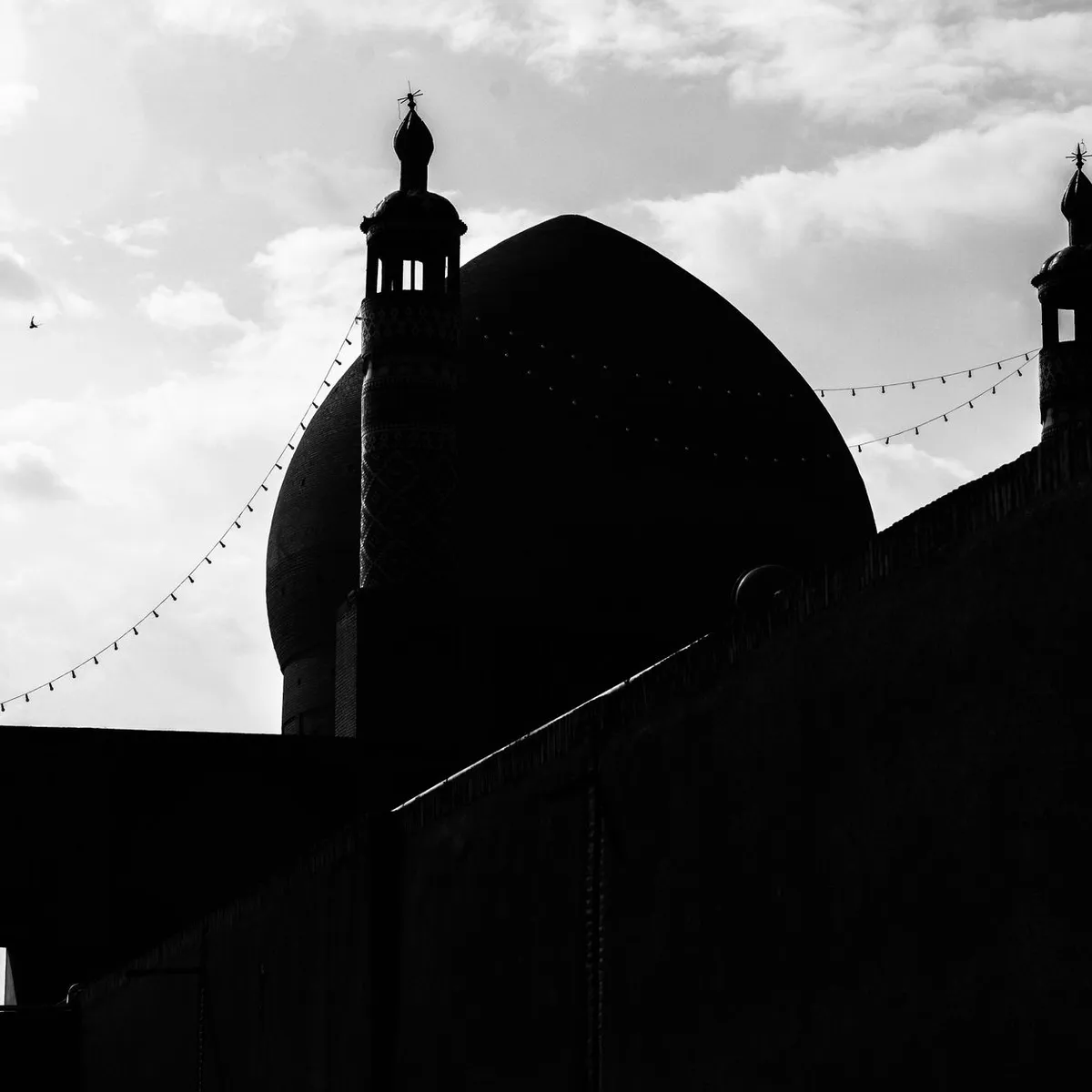
 Photo: Javad Esmaeili / Pexels
Qom
Qom accessibility for wheelchair users
Compare Qom by accessibility, transport, terrain, healthcare, cost, weather, laws, reviews, and community notes.
Qom accessibility scores
Compare Qom by accessibility, transport, terrain, healthcare, cost, weather, and laws. General stats use public data and models. Community rows reflect member reviews and votes.
General stats
National benchmarks and estimates — your experience in this city may differ.
Community
Starts from our estimate — thumbs up nudge toward Excellent, down toward Poor. Reviews use 1–5 stars.
These figures combine public statistics, models, and live weather where available. Every city is different — treat this as a guide, and share what you know in the Reviews & Corrections tab.
Profile last updated 7/1/2026.
Qom wheelchair accessibility guide
Research Qom for wheelchair users and caregivers: getting around, terrain, healthcare, costs, climate, accessible things to do, and practical caveats before booking.
Last updated 7/1/2026At a glance
Qom is one of Iran’s most important religious cities, centered on pilgrimage, seminaries, bazaars, and shrine districts. For wheelchair users, it offers dense services and hospitals, but accessibility is inconsistent and the terrain is more demanding than flat desert-city assumptions suggest. RollVenture’s terrain profile labels the city hilly, with an elevation range that can matter for manual-chair users. The city is best approached with a local driver, hotel access verification, and short visits around confirmed entrances.
The profile estimates monthly living from ~$1,949/mo and housing around $1,028/mo. Accessibility and infrastructure scores are low, so do not infer Western-style step-free continuity from the city’s size or religious importance.
Getting around
Use private car or arranged taxi for most trips. Qom has urban buses and regional rail links, but wheelchair reliability is not something to assume without local confirmation. Shrine and bazaar areas can become crowded, and security or gendered access rules may affect routes. Ask accommodation staff or a local contact to confirm drop-off points with minimal steps.
Terrain & mobility
The terrain model is hilly, with a maximum sampled grade around 4% and large elevation variation around the city. Central areas may be manageable for short assisted rolls, but side streets, ramps, curbs, and crowded pedestrian approaches can be tiring. The pavement profile is medium confidence, with asphalt and dirt among dominant surfaces.
Healthcare & care
OpenStreetMap healthcare leads include Khatam medical complex, Farjad diagnostic group, Sib-e Sabz clinic, Noor nuclear medicine center, and Imam Sajjad hospital. Verify each facility’s services and physical access before relying on it. Bring translated medication lists and ask whether the building has elevators and accessible toilets.
Costs & housing
Costs are moderate by international standards but not ultra-cheap: from ~$1,949/mo overall and ~$1,028/mo for housing. Step-free lodging should be checked with photos of the entrance, lift, bathroom, and the street outside, not just a “has elevator” listing.
Climate & comfort
Qom has hot, dry summers and cool winters. Heat, sun exposure, and long uncovered approaches can quickly turn a shrine or bazaar visit into an exhausting outing. Plan early starts and indoor breaks.
Accessible things to do
Fatima Masumeh Shrine precinct— the central pilgrimage landmark; confirm current wheelchair entrance routes, crowd timing, and assistance rules before visiting.
Jamkaran Mosque— a major pilgrimage site outside the center; go by car and verify step-free paths and toilet access directly.
Qom Bazaar— culturally important but crowded and uneven; treat it as a short escorted visit from the easiest drop-off point.
Qom Salt Lake / desert edge drives— a vehicle-based scenic option that avoids dense pedestrian routes; stay in the car unless surfaces are confirmed firm and safe.
Community & language
Persian is the working language. English may be limited outside hotels, universities, and some medical settings. Religious etiquette matters; disabled travelers should still plan around dress codes, prayer times, and segregated spaces.
Would we recommend it?
Yes for pilgrimage or specific cultural reasons with local support, not as an easy independent wheelchair base. The city can be meaningful, but terrain, crowds, and uneven access require careful planning.
These figures combine public statistics, models, and live weather where available. Every city is different — treat this as a guide, and share what you know in the Reviews & Corrections tab.
Profile last updated 7/1/2026.
Reviews & corrections
Share your experience or suggest a data correction. Both appear publicly; admin updates official city scores and costs separately.
Log in to write a review or suggest a correction.
No reviews or corrections yet.