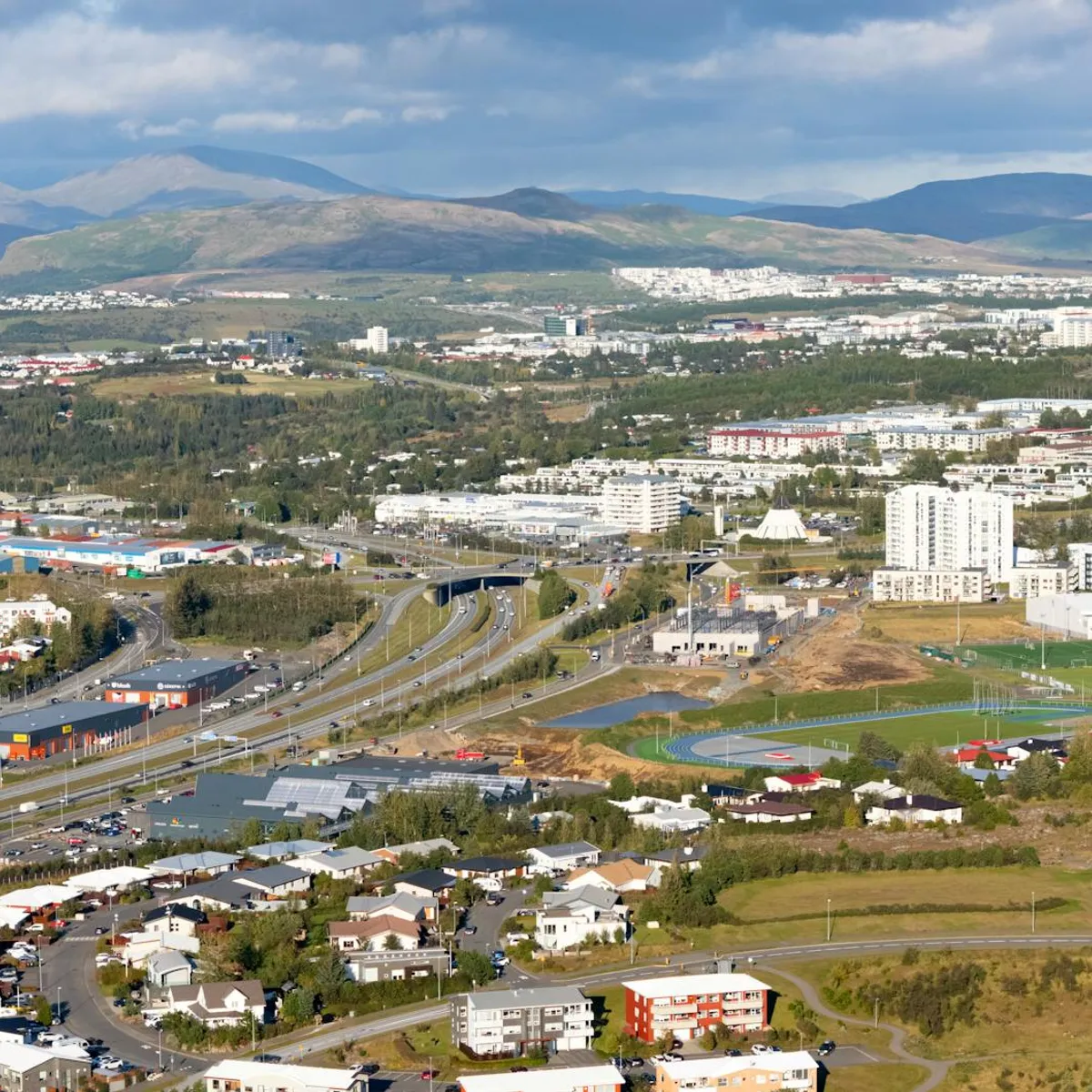
 Photo: Gylfi Gylfason / Pexels
Reykjavík
Reykjavík accessibility for wheelchair users
Compare Reykjavík by accessibility, transport, terrain, healthcare, cost, weather, laws, reviews, and community notes.
Reykjavík accessibility scores
Compare Reykjavík by accessibility, transport, terrain, healthcare, cost, weather, and laws. General stats use public data and models. Community rows reflect member reviews and votes.
General stats
National benchmarks and estimates — your experience in this city may differ.
Community
Starts from our estimate — thumbs up nudge toward Excellent, down toward Poor. Reviews use 1–5 stars.
These figures combine public statistics, models, and live weather where available. Every city is different — treat this as a guide, and share what you know in the Reviews & Corrections tab.
Profile last updated 6/30/2026.
Reykjavík wheelchair accessibility guide
Research Reykjavík for wheelchair users and caregivers: getting around, terrain, healthcare, costs, climate, accessible things to do, and practical caveats before booking.
Last updated 6/30/2026At a glance
Reykjavík is safe, compact by capital-city standards, and unusually scenic, but it is expensive and weather-exposed. The live row gives it an overall score of 76, accessibility score of 82, safety score of 93, and costs from ~$5,665/mo with housing from ~$3,302/mo. The pavement and terrain data are encouraging: high-confidence OSM pavement score 90, 92% good surfaces, and gently rolling sampled terrain. The catch is wind, ice, and the cost of securing reliable accessible housing and care.
Getting around
Public buses are run by Strætó, and travelers should verify current wheelchair boarding, priority spaces, and service disruptions before relying on a route. Taxis and private transfers may be needed for weather-heavy days or airport trips. Reykjavík’s centre can be manageable for short distances, but the combination of slopes, wind, and winter surfaces means route testing is essential. Do not assume a technically short walk or roll will be comfortable.
Terrain & mobility
The sampled profile is gently rolling, with max grade around 2.1% and a 137 m elevation range. Pavement data is strong, but downtown streets can include curb transitions, paving stones, snow, and wind exposure. Plan routes around sheltered entrances, known curb cuts, and backup transport. A power chair with good weather protection is a major advantage.
Healthcare & care
OSM healthcare leads include Heilsugæslan Efstaleiti, Heilsugæslan Hlíðum, Heilsugæslan Glæsibæ, Læknastöðin, and Heilsugæslan Hamraborg. Verify registration rules, appointment access, English-language support, and building accessibility before relying on them. Specialist care is concentrated in the capital, which helps, but imported equipment, repairs, and personal assistance may be expensive or slower than in larger countries.
Costs & housing
This is the biggest drawback. The database estimate is from ~$5,665/mo, with housing from ~$3,302/mo. Accessible rentals are likely to be competitive and costly. Ask for exact entrance photos, elevator dimensions, bathroom turning space, heating reliability, snow-clearing responsibility, and distance to groceries or transit. Budget extra for taxis, delivery, and weather-related backup plans.
Climate & comfort
Reykjavík has cool summers, dark winters, strong wind, and freeze-thaw conditions. Even when snowfall is moderate, wind and ice can make exposed routes difficult. Summer daylight is wonderful for outdoor time, but winter fatigue and storm planning should be taken seriously.
Accessible things to do
Harpa Concert Hall— Harpa publishes an accessibility page and notes wheelchair spaces in auditoriums; book accessible seating directly and confirm companion arrangements.
Perlan— A major indoor attraction at Öskjuhlíð; use official visitor information and verify current lift, entrance, and observation-deck access before booking.
Reykjavík waterfront and Sun Voyager area— A scenic, relatively central roll in good weather; check wind, ice, and curb conditions first.
National Museum of Iceland— A strong indoor culture option to verify for lifts, accessible washrooms, and exhibit circulation before visiting.
Community & language
Icelandic is the local language, but English is widely used in tourism and many services. Community is small, so personal recommendations matter. For a long stay, connect early with disability organizations, healthcare providers, and equipment repair options.
Would we recommend it?
Yes for a well-funded wheelchair user who prioritizes safety, scenery, and capital-city healthcare access. No for tight budgets or anyone who cannot tolerate wind, ice, expensive housing, and limited backup providers.
These figures combine public statistics, models, and live weather where available. Every city is different — treat this as a guide, and share what you know in the Reviews & Corrections tab.
Profile last updated 6/30/2026.