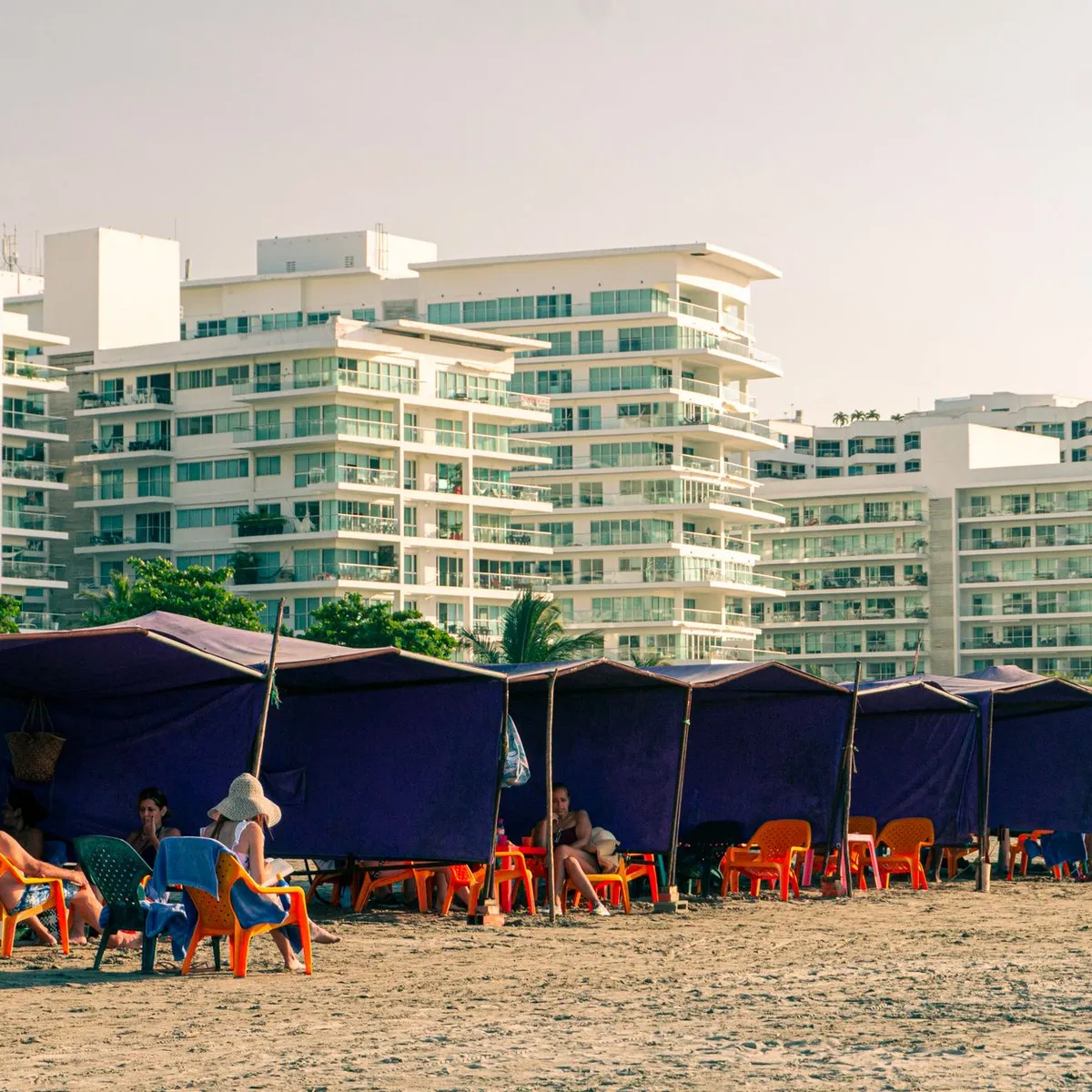
 Photo: Roberto Castano / Pexels
Riohacha
Riohacha accessibility for wheelchair users
Compare Riohacha by accessibility, transport, terrain, healthcare, cost, weather, laws, reviews, and community notes.
Riohacha accessibility scores
Compare Riohacha by accessibility, transport, terrain, healthcare, cost, weather, and laws. General stats use public data and models. Community rows reflect member reviews and votes.
General stats
National benchmarks and estimates — your experience in this city may differ.
Community
Starts from our estimate — thumbs up nudge toward Excellent, down toward Poor. Reviews use 1–5 stars.
These figures combine public statistics, models, and live weather where available. Every city is different — treat this as a guide, and share what you know in the Reviews & Corrections tab.
Profile last updated 7/1/2026.
Riohacha wheelchair accessibility guide
Research Riohacha for wheelchair users and caregivers: getting around, terrain, healthcare, costs, climate, accessible things to do, and practical caveats before booking.
Last updated 7/1/2026At a glance
Riohacha is a coastal base on Colombia's La Guajira peninsula, useful for sea-level winter warmth, Wayuu culture, and onward trips toward Cabo de la Vela or the desert. For wheelchair users it is not a polished resort city: expect a flat street grid, heat, sand, uneven sidewalks, and patchy curb cuts. The DB profile is encouraging on terrain, with a mostly flat centre near sea level, but the pavement sample has low confidence, so treat every hotel, bathroom, and transfer as something to verify directly. Costs are listed from ~$1,830/mo, with housing from ~$636/mo.
Getting around
Riohacha has an airport and intercity bus links, but local movement is mostly taxis, private cars, and short rides rather than accessible public transit. Ask hotels to arrange a vehicle that can take a folding wheelchair and confirm whether drivers can help with transfers. The waterfront and central blocks can work for short assisted rolls, but do not assume continuous ramps. For desert excursions, book with an operator that understands step-free boarding, shade stops, medication storage, and the need to avoid long sand pushes.
Terrain & mobility
The city is one of the flatter RollVenture candidates in this run: DB terrain sampling shows sea-level elevations and minimal grade. The challenge is surface quality, not hills. Beachfront areas can switch quickly from paved promenade to sand, pavers, broken slabs, or narrow shopfront sidewalks. In the dry, windy climate, dust and heat can make manual propulsion tiring. A powerchair user should ask about doorway widths, elevator reliability, battery charging, and whether beach or desert routes have firm-surface alternatives.
Healthcare & care
OpenStreetMap-derived nearby healthcare leads include Cruz Roja, Salud Total, I.P.S. Palaima, ANASU AINWA IPS-I, and other IPS entries within the central area. Treat these as leads only: call ahead for specialties, emergency capability, physical access, and whether your insurance or payment method is accepted. For complex care, plan escalation toward larger Colombian cities. Personal care support may be possible through local agencies or hotel referrals, but arrange it before arrival and keep Spanish contact scripts ready.
Costs & housing
The database estimate puts monthly living cost from ~$1,830/mo, with housing from ~$636/mo. Accessible housing is the bottleneck: many guesthouses may have steps, small bathrooms, or no lift. Ask for current photos of the entrance, bathroom threshold, shower, bed height, and the route from street to room. Air conditioning matters for comfort and health; backup power and water reliability are worth confirming for longer stays.
Climate & comfort
Riohacha is hot, sunny, and windy. Heat management should drive the schedule: morning errands, midday rest, and shaded evening waterfront time. Sea breeze helps comfort but can push sand and dust onto paths. Bring sun protection, hydration plans, and spare chair tires or tools if using rougher local streets.
Accessible things to do
Riohacha waterfront and Malecón— The seafront is the most practical first outing because it offers flat orientation, open air, and short taxi distances; verify current paving and curb ramps near your hotel.
Nicolás de Federmann Park and cathedral area— Central plazas can be manageable for a short assisted visit, but check curb cuts and surface breaks block by block.
Wayuu craft market stops— Good for culture without long travel; choose a market or shop with step-free access and enough aisle width rather than assuming every stall works.
Camarones / Santuario de Flora y Fauna Los Flamencos day trip— A strong nearby nature option, but accessibility depends heavily on vehicle access, firm paths, toilets, shade, and boat/transfer needs; pre-book cautiously.
Community & language
Spanish is essential for logistics; Wayuu culture is prominent in the region. Staff at hotels and clinics may be helpful but not trained in disability travel, so written Spanish questions and photos of your chair setup will reduce surprises.
Would we recommend it?
Yes for experienced wheelchair travelers who want a flat, warm, lower-cost coastal base and can tolerate infrastructure gaps. No for a first independent accessible trip or anyone needing guaranteed step-free transit, predictable medical access, or fully accessible beach infrastructure.
These figures combine public statistics, models, and live weather where available. Every city is different — treat this as a guide, and share what you know in the Reviews & Corrections tab.
Profile last updated 7/1/2026.
Reviews & corrections
Share your experience or suggest a data correction. Both appear publicly; admin updates official city scores and costs separately.
Log in to write a review or suggest a correction.
No reviews or corrections yet.