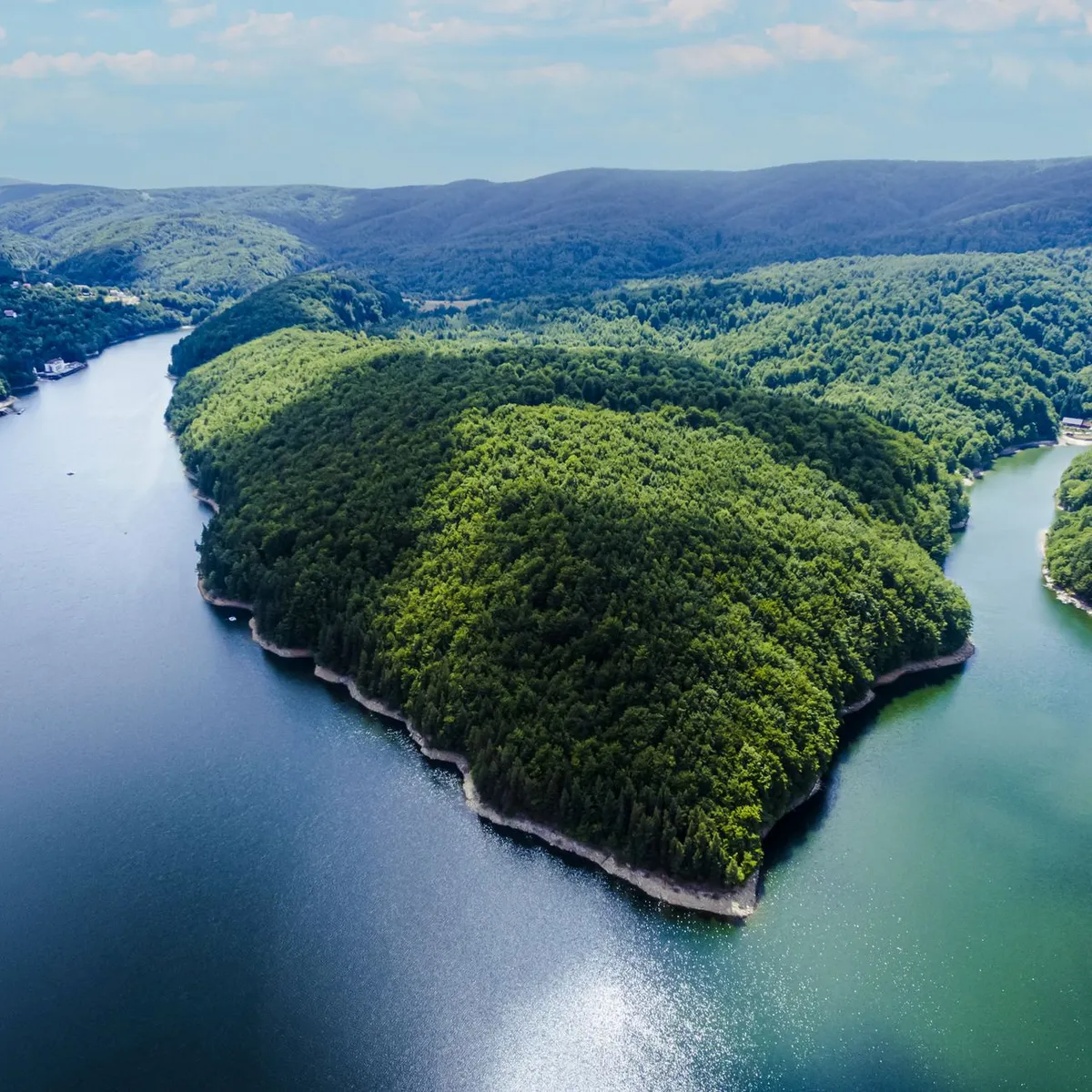
 Photo: Adrian Frentescu / Pexels
Sector 6
Sector 6 accessibility for wheelchair users
Compare Sector 6 by accessibility, transport, terrain, healthcare, cost, weather, laws, reviews, and community notes.
Sector 6 accessibility scores
Compare Sector 6 by accessibility, transport, terrain, healthcare, cost, weather, and laws. General stats use public data and models. Community rows reflect member reviews and votes.
General stats
National benchmarks and estimates — your experience in this city may differ.
Community
Starts from our estimate — thumbs up nudge toward Excellent, down toward Poor. Reviews use 1–5 stars.
These figures combine public statistics, models, and live weather where available. Every city is different — treat this as a guide, and share what you know in the Reviews & Corrections tab.
Profile last updated 6/30/2026.
Sector 6 wheelchair accessibility guide
Research Sector 6 for wheelchair users and caregivers: getting around, terrain, healthcare, costs, climate, accessible things to do, and practical caveats before booking.
Last updated 6/30/2026At a glance
Sector 6 is a large western district of Bucharest covering neighborhoods such as Drumul Taberei, Militari, Crângași, and Giulești. For wheelchair users, it is one of the more practical entries in this batch because the terrain is mostly flat and the DB pavement sample is unusually strong: high confidence, mostly asphalt/paved surfaces, and about 95% good-tagged ways. The weaker points are building age, inconsistent curb cuts, and metro/tram station details that must be checked stop by stop.
RollVenture estimates total living costs from ~$2,131/mo and housing from ~$964/mo. Compared with old-town Bucharest, Sector 6 can offer better apartment stock, malls, parks, and metro-linked daily life, but accessibility varies sharply by building.
Getting around
The district is connected by Bucharest metro, tram, bus, and trolleybus routes. Metro stations and newer public-realm projects may be helpful, but elevators, platform gaps, and station entrance closures need current verification. For daily life, combine metro-aware housing with ride-hailing for poor-weather or transfer-heavy trips. Flat terrain makes short local rolls more realistic than in hillier cities.
Terrain & mobility
The terrain profile is favorable: mostly flat, low maximum grade, and modest elevation change. Pavement data is the strongest among the selected cities, but Bucharest still has broken curbs, parked cars blocking ramps, uneven older sidewalks, and winter ice risk. Drumul Taberei’s park and newer mall/metro areas are likely easier than older blocks with narrow entrances.
Healthcare & care
The DB healthcare profile lists clinic leads including Lasermed Medical Center, Medlife, and AIS Clinics & Hospitals, but it also includes at least one veterinary hospital entry, so treat the profile carefully. Bucharest has a wider medical market than the district alone suggests. Confirm accessible entrances, elevator routes, appointment language, and private physiotherapy/home-care options before committing to a neighborhood.
Costs & housing
Housing from ~$964/mo is plausible for a more comfortable apartment search, but do not accept a listing without video. Many communist-era blocks have small elevators, half-flights of stairs before the lift, or heavy entrance doors. Newer buildings near malls or metro stations may be better, though curb access and parking-lot gradients still need checking.
Climate & comfort
Bucharest has hot summers, cold winters, and occasional snow/ice. Sector 6’s flatter profile helps, but winter maintenance and curb snow piles can block routes. Choose a building with reliable heating, elevator maintenance, and nearby grocery delivery.
Accessible things to do
Drumul Taberei Park— a major local green space and one of the most practical low-gradient outings; verify path conditions and restroom access by entrance.
AFI Cotroceni— a large modern mall near the district edge, useful for elevators, accessible toilets, dining, and bad-weather errands; confirm current lift routes.
Plaza România / retail corridor— another practical indoor outing for shopping, pharmacies, food, and taxi pickup points.
Lacul Morii promenade area— a flat waterside route near Sector 6; surfaces and curb cuts vary, so scout a short segment first.
Cotroceni / Botanical Garden area nearby— accessible as a short taxi trip, but garden paths and museum interiors need separate confirmation.
Community & language
Romanian is the default for administration, landlords, and clinics. English is more available among younger residents, mall staff, and private healthcare than in smaller Romanian cities. Expat and digital-nomad support is easier to find in greater Bucharest than in Sector 6 alone.
Would we recommend it?
Yes, cautiously. Sector 6 has the best practical mobility profile in this batch if you choose a verified building near metro, malls, and parks. The city still requires access checks, but the flat terrain and stronger pavement data make it a credible wheelchair base.
These figures combine public statistics, models, and live weather where available. Every city is different — treat this as a guide, and share what you know in the Reviews & Corrections tab.
Profile last updated 6/30/2026.
Reviews & corrections
Share your experience or suggest a data correction. Both appear publicly; admin updates official city scores and costs separately.
Log in to write a review or suggest a correction.
No reviews or corrections yet.