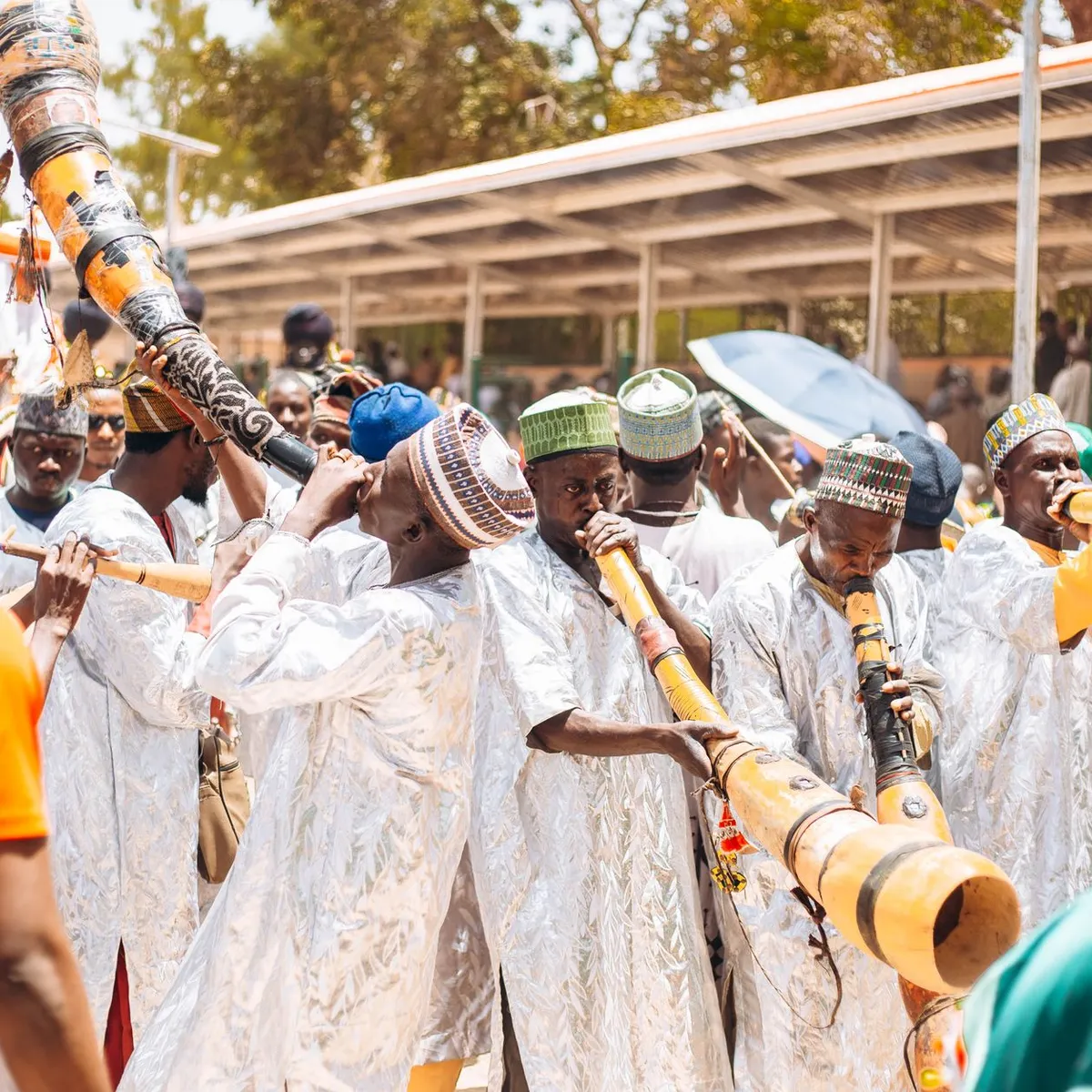
 Photo: Matazu multimedia / Pexels
Sokoto
Sokoto accessibility for wheelchair users
Compare Sokoto by accessibility, transport, terrain, healthcare, cost, weather, laws, reviews, and community notes.
Sokoto accessibility scores
Compare Sokoto by accessibility, transport, terrain, healthcare, cost, weather, and laws. General stats use public data and models. Community rows reflect member reviews and votes.
General stats
National benchmarks and estimates — your experience in this city may differ.
Community
Starts from our estimate — thumbs up nudge toward Excellent, down toward Poor. Reviews use 1–5 stars.
These figures combine public statistics, models, and live weather where available. Every city is different — treat this as a guide, and share what you know in the Reviews & Corrections tab.
Profile last updated 7/1/2026.
Sokoto wheelchair accessibility guide
Research Sokoto for wheelchair users and caregivers: getting around, terrain, healthcare, costs, climate, accessible things to do, and practical caveats before booking.
Last updated 7/1/2026At a glance
Sokoto is a high-caution option for wheelchair users: culturally important, mostly flat by the stored terrain sample, but with low RollVenture accessibility signals and very limited verified step-free visitor information. Treat it as a destination for travelers who can arrange a local driver, an assistant, and conservative daily plans rather than a place to improvise. Wikivoyage describes Sokoto as the capital of Sokoto State and the historic seat of the former Sokoto Caliphate; that helps explain why several sights cluster around religious, palace, and history landmarks. The DB cost estimate is from ~$1,833/mo, with housing from ~$725/mo.
Getting around
Plan around private car or arranged taxi transport. Wikivoyage lists plane and bus access for getting into Sokoto, but local wheelchair-accessible transit details are not verified. RollVenture's wheelchair_transport score is low, so assume buses, shared vehicles, and informal taxis may require transfers, lifting, or negotiation. Keep hotel, hospital, and main sights in the same part of town where possible, confirm parking/drop-off access, and build in time for heat, dust, prayer-time closures, and vehicle delays.
Terrain & mobility
Stored terrain data labels Sokoto as gently rolling, with a low sampled maximum grade and many flat samples. That is helpful, but pavement is the bigger issue: OSM-derived pavement data has medium confidence, mixed untagged/unpaved/asphalt surfaces, and a low share of clearly good surfaces. Expect broken shoulders, sand, open drainage, missing curb cuts, and uneven market approaches. A power chair or scooter may handle distance better, but backup manual assistance is important where surfaces turn sandy or crowded.
Healthcare & care
The local healthcare profile is OSM-derived, so use it as a lead rather than a guarantee. Nearby entries include PHC Rinin Tawaye, Women and Children Welfare Clinic, Emergency Operations Center - Sokoto, OPD 2, and Mobile Ambulance Center. Verify current services, entrance ramps, imaging availability, and after-hours emergency access before relying on any facility. Bring medication buffers, written diagnosis notes, and a local contact who can help navigate reception and transport.
Costs & housing
Costs look comparatively moderate, but accessible housing is the hard part. The monthly estimate is from ~$1,833/mo, with food around $318, transport around $167, medical around $141, PT around $99, and home aid around $383. Do not book from photos alone: ask for entrance step height, bathroom door width, shower layout, generator backup, elevator reliability if above ground floor, and whether a vehicle can stop directly at the entrance.
Climate & comfort
Sokoto is in the hot Sahel. Wikivoyage notes very high heat, a June-October rainy season, and harmattan dust from late October to February. Heat and dust can be exhausting for wheelchair users, especially if transfers take longer or vehicles lack air-conditioning. Plan errands early, carry water, keep electronics and cushions dust-protected, and avoid long outdoor pushes in peak afternoon heat.
Accessible things to do
Sultan's Palace area— A key cultural landmark in the historic seat of the caliphate; treat access as exterior/compound-dependent and confirm protocol, parking, and step-free entry locally.
Usman dan Fodio heritage sites— Wikivoyage frames Sokoto around the former caliphate, making these religious-history stops meaningful; verify current visitor access and surfaces before arrival.
Sokoto Museum / history stops— Use as a lower-distance cultural option if open and reachable by car; call ahead for entrance steps, toilets, and whether staff can assist.
Central markets and craft areas— Best approached as a short, assisted visit from a nearby drop-off, not as independent rolling; crowds, drainage, and uneven surfaces are likely.
Community & language
Hausa is widely used, and Wikivoyage notes Hausa and Fulani communities with Sokoto's Muslim identity central to daily life. English may work in hotels, clinics, or universities, but local help matters. Dress conservatively, ask before photographing religious or palace sites, and travel with someone who can translate and negotiate vehicle access.
Would we recommend it?
Only for experienced wheelchair travelers with strong local support. Sokoto has important history and relatively flat terrain, but the low accessibility, ramp, transport, and pavement signals mean the trip should be treated as assisted, prearranged, and conservative.
These figures combine public statistics, models, and live weather where available. Every city is different — treat this as a guide, and share what you know in the Reviews & Corrections tab.
Profile last updated 7/1/2026.
Reviews & corrections
Share your experience or suggest a data correction. Both appear publicly; admin updates official city scores and costs separately.
Log in to write a review or suggest a correction.
No reviews or corrections yet.