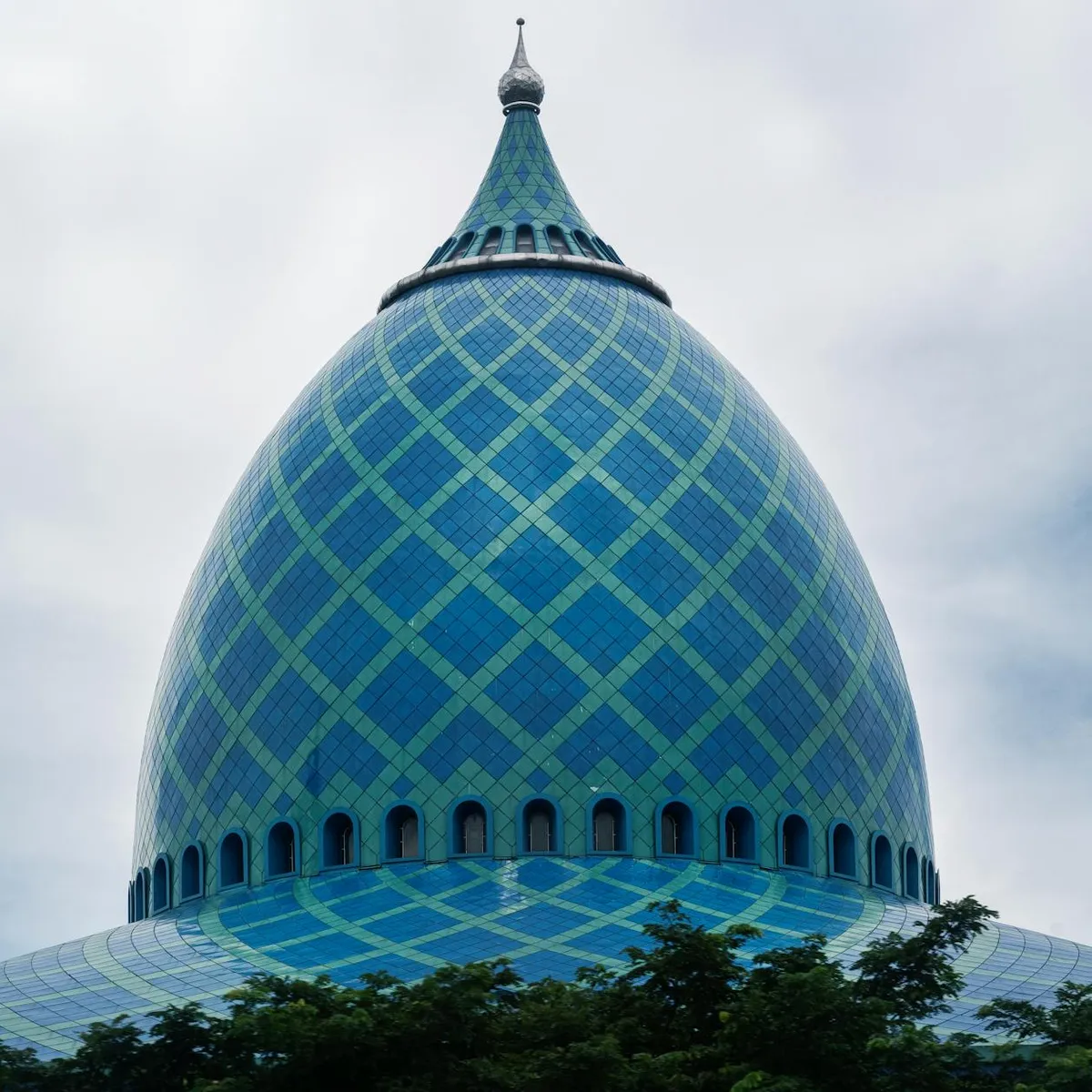
 Photo: Miguel Cuenca / Pexels
Surabaya
Surabaya accessibility for wheelchair users
Compare Surabaya by accessibility, transport, terrain, healthcare, cost, weather, laws, reviews, and community notes.
Surabaya accessibility scores
Compare Surabaya by accessibility, transport, terrain, healthcare, cost, weather, and laws. General stats use public data and models. Community rows reflect member reviews and votes.
General stats
National benchmarks and estimates — your experience in this city may differ.
Community
Starts from our estimate — thumbs up nudge toward Excellent, down toward Poor. Reviews use 1–5 stars.
These figures combine public statistics, models, and live weather where available. Every city is different — treat this as a guide, and share what you know in the Reviews & Corrections tab.
Profile last updated 6/30/2026.
Surabaya wheelchair accessibility guide
Research Surabaya for wheelchair users and caregivers: getting around, terrain, healthcare, costs, climate, accessible things to do, and practical caveats before booking.
Last updated 6/30/2026At a glance
Surabaya is a big, working port city and East Java hub, so it is better for wheelchair users who want hospitals, malls, hotels and onward transport options than for a relaxed, barrier-free holiday. The RollVenture data points to gently rolling terrain, 100% flat sampled points, and a relatively strong local pavement sample for this database, but the city still has heat, traffic, drainage gaps and curb inconsistency. Budget from ~$1,939/mo, with housing around ~$801/mo.
Getting around
Juanda International Airport, the main rail stations and Purabaya/Bungurasih bus terminal are the key arrival points noted in travel guides. For daily mobility, plan around taxis or ride-hailing rather than informal street transport. Public buses and rail links can be useful for locals, but step-free reliability and staff assistance should be checked route by route. Traffic delays and rainy-season flooding can make short trips long, so cluster errands and medical appointments by district.
Terrain & mobility
The city is low and mostly flat in the sampled data, with a max grade around 1.8%. The pavement profile is more encouraging than many peer cities here, with asphalt, paving stones and paved surfaces in the OSM sample, but that does not guarantee continuous curb cuts. Expect broken sidewalks near older markets, street vendors, parked motorcycles and driveway lips. Use hotel or mall entrances as anchor points when planning independent rolling routes.
Healthcare & care
The database lists several nearby clinics from OpenStreetMap, including Poliklinik Noor Mushola, Rumah Bersalin Noor Mushola and Posyandu Genteng; treat these as leads and verify services directly. As Indonesia’s second-largest city and a provincial capital, Surabaya is a stronger healthcare base than smaller East Java towns, but travelers should pre-arrange English-speaking contacts, accessible transport to appointments and medication continuity.
Costs & housing
Costs are moderate for a large city. Wheelchair users should spend more time verifying lifts, bathroom door widths, wet-room drainage and generator backup than chasing the cheapest rent. Serviced apartments or newer hotels near malls can be more practical than older walk-ups. Ask for recent photos of the entrance, bathroom threshold and elevator before paying a deposit.
Climate & comfort
Surabaya is hot and humid year-round, with Wikivoyage noting daytime highs around 32-34°C and a wetter November-April season. Heat management matters: choose shaded transfers, air-conditioned rest stops and morning appointments. Rain can worsen traffic and expose poor drainage.
Accessible things to do
Tunjungan Plaza / central mall route— a practical indoor anchor for air-conditioning, toilets and step-light circulation; confirm lift and toilet details on the day.
Heroes Monument area— a major city landmark; use a car drop-off and treat outdoor paving as variable.
House of Sampoerna— a well-known heritage stop listed in visitor guides; call ahead for current entrance and lift access.
Submarine Monument / Kalimas riverfront area— useful for a short, central sightseeing loop, but expect uneven exterior surfaces and verify access before visiting.
Bungkul Park or tree-lined boulevards— possible for low-cost outdoor time in cooler hours, with curb cuts and surface quality checked locally.
Community & language
Indonesian is the working language; Javanese and local Surabayan slang are common. Tourist-facing hotels and hospitals may have some English, but not universally. Bring written medical summaries in Indonesian if possible.
Would we recommend it?
Yes, with planning. Surabaya is not an easy accessibility city, but its flat geography, big-city services and indoor anchors make it more workable than many regional alternatives. It suits travelers who can use taxis, verify housing carefully and avoid peak heat.
These figures combine public statistics, models, and live weather where available. Every city is different — treat this as a guide, and share what you know in the Reviews & Corrections tab.
Profile last updated 6/30/2026.
Reviews & corrections
Share your experience or suggest a data correction. Both appear publicly; admin updates official city scores and costs separately.
Log in to write a review or suggest a correction.
No reviews or corrections yet.