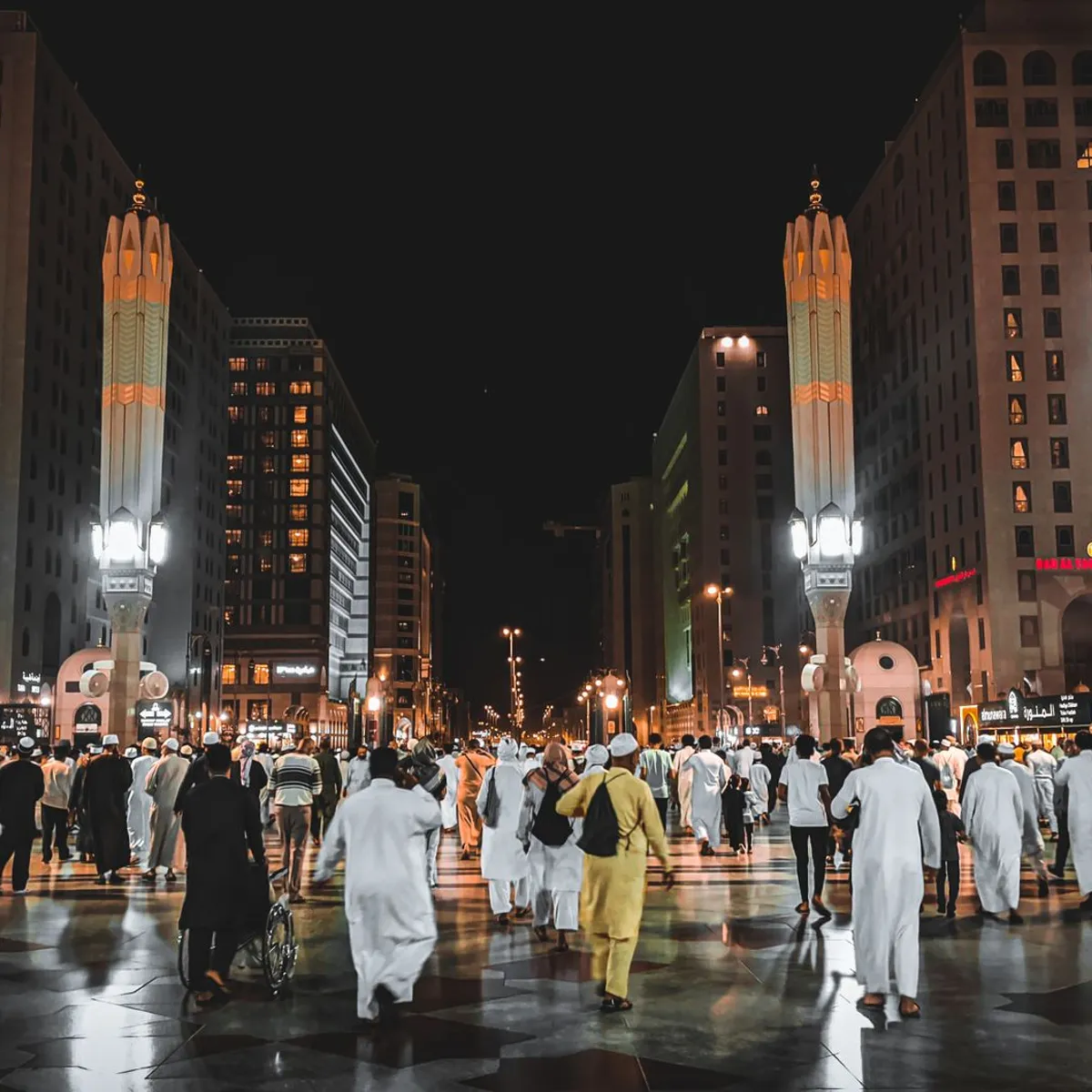
 Photo: Gun Tfk / Pexels
Tārūt
Tārūt accessibility for wheelchair users
Compare Tārūt by accessibility, transport, terrain, healthcare, cost, weather, laws, reviews, and community notes.
Tārūt accessibility scores
Compare Tārūt by accessibility, transport, terrain, healthcare, cost, weather, and laws. General stats use public data and models. Community rows reflect member reviews and votes.
General stats
National benchmarks and estimates — your experience in this city may differ.
Community
Starts from our estimate — thumbs up nudge toward Excellent, down toward Poor. Reviews use 1–5 stars.
These figures combine public statistics, models, and live weather where available. Every city is different — treat this as a guide, and share what you know in the Reviews & Corrections tab.
Profile last updated 6/30/2026.
Tārūt wheelchair accessibility guide
Research Tārūt for wheelchair users and caregivers: getting around, terrain, healthcare, costs, climate, accessible things to do, and practical caveats before booking.
Last updated 6/30/2026At a glance
Tārūt is a small island community beside Qatif in Saudi Arabia's Eastern Province. For wheelchair users, it has one major advantage: the live terrain profile is almost flat, with average elevation around 5 m and sampled max grade around 0.3%. The challenge is that public accessibility information is thin. Treat Tārūt as a short-stay or day-trip base where you use private transport, verify every venue, and focus on waterfront views, heritage exteriors, and nearby Qatif services. DB costs are comparatively lower for this batch, with monthly living from ~$1,970/mo and housing around ~$562/mo.
Getting around
Private car or ride-hailing is the safest default. Do not rely on spontaneous accessible public transport. The island’s compact geography can make short transfers manageable, but curb ramps, sidewalk continuity, and accessible toilets should be checked case by case. If you are staying locally, ask for step-free entry photos, lift measurements, bed height, bathroom turning space, and nearby drop-off points.
Terrain & mobility
The land is mostly flat, which should reduce fatigue compared with hillier Middle Eastern cities. Pavement data is low-confidence and mostly untagged/asphalt, so the guide cannot promise smooth rolling. The best mobility strategy is to choose a few short stops, avoid midday heat, and keep a driver nearby rather than attempting long continuous rolls.
Healthcare & care
OpenStreetMap-derived local leads include a Tarut primary healthcare center, Mouwasat Hospital in the wider Qatif area, and other nearby clinics. These are leads, not guarantees. Call before travel to confirm emergency services, step-free entrances, accessible toilets, and whether staff can support transfers. For complex care, Dammam/Khobar may offer more predictable specialist options.
Costs & housing
The DB estimate is from ~$1,970/mo overall, with food around ~$415, transport around ~$217, and medical around ~$136. Accessible housing is the wildcard: a cheaper unit is not useful if the bathroom has a step, narrow door, or no elevator. Budget extra for a newer apartment, hotel, or frequent car trips.
Climate & comfort
Expect a Gulf climate: pleasant winters and very hot summers. July and August average about 36°C, while January averages about 16.5°C. Heat planning is essential: shade, cooling towels, hydration, medication storage, and avoiding exposed waterfront rolls in the afternoon.
Accessible things to do
Tarout Castle exterior— a real island landmark; verify whether interior paths are usable, but exterior viewing may still be worthwhile.
Tarout waterfront and harbor viewpoints— flat, scenic areas are the best candidates for short wheelchair outings; check curb cuts and parking.
Darin and island coastal drives— a car-based way to see the island with minimal transfer burden.
Qatif Corniche and market area— nearby Qatif adds more food, walking/rolling, and service options, but thresholds and crowds need caution.
Community & language
Arabic is the default language. English may be available in hospitals, hotels, and larger businesses, but not everywhere. Written Arabic access notes are useful for drivers and venue staff. Family-oriented public spaces are common; plan around prayer times, weekend crowds, and Ramadan schedule changes.
Would we recommend it?
Recommended only with support. Tārūt’s flat terrain and lower cost profile are positives, but sparse access documentation means it is best for travelers who can arrange private transport, verify accommodation carefully, and keep plans flexible.
These figures combine public statistics, models, and live weather where available. Every city is different — treat this as a guide, and share what you know in the Reviews & Corrections tab.
Profile last updated 6/30/2026.
Reviews & corrections
Share your experience or suggest a data correction. Both appear publicly; admin updates official city scores and costs separately.
Log in to write a review or suggest a correction.
No reviews or corrections yet.