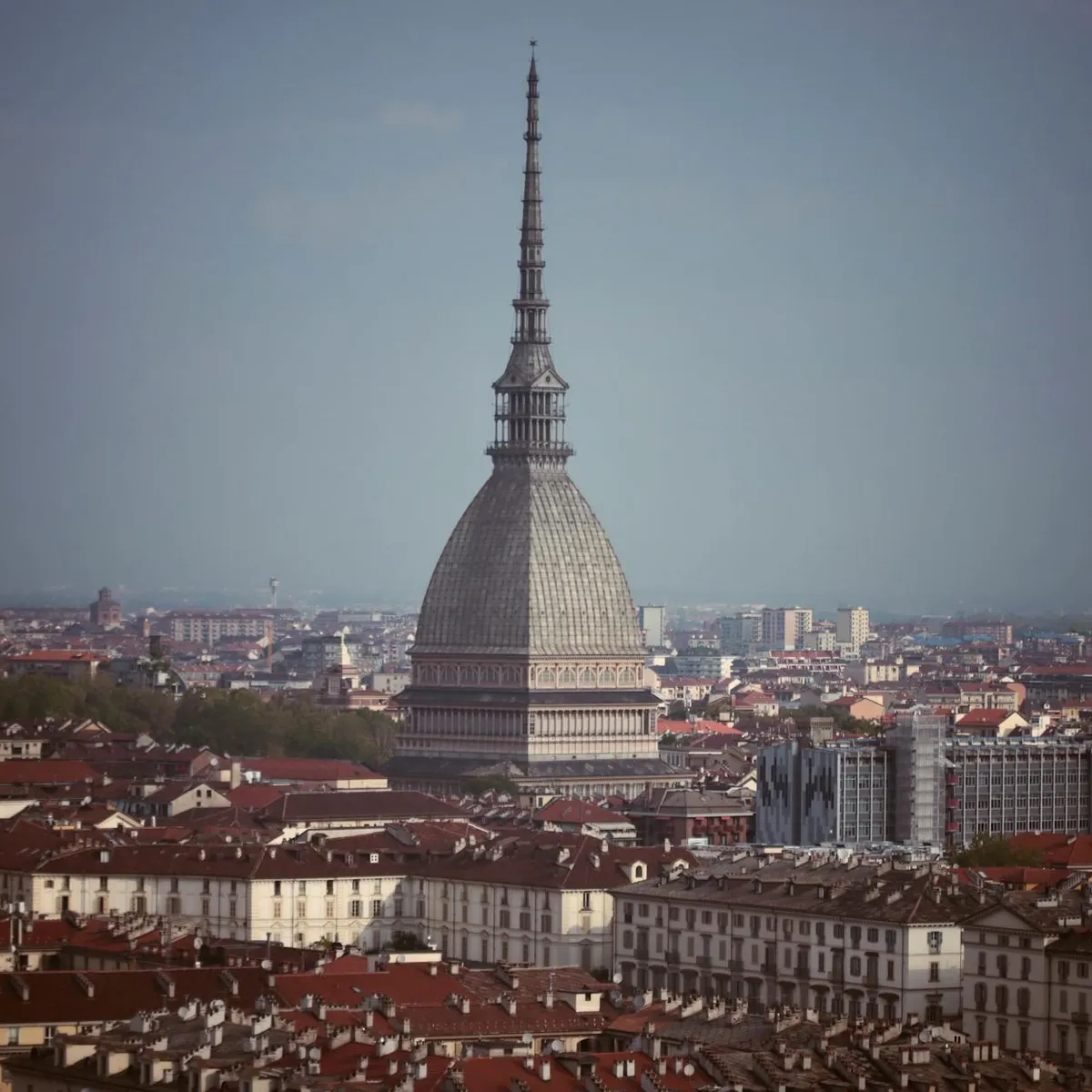
 Photo: Efrem Efre / Pexels
Turin
Turin accessibility for wheelchair users
Compare Turin by accessibility, transport, terrain, healthcare, cost, weather, laws, reviews, and community notes.
Turin accessibility scores
Compare Turin by accessibility, transport, terrain, healthcare, cost, weather, and laws. General stats use public data and models. Community rows reflect member reviews and votes.
General stats
National benchmarks and estimates — your experience in this city may differ.
Community
Starts from our estimate — thumbs up nudge toward Excellent, down toward Poor. Reviews use 1–5 stars.
These figures combine public statistics, models, and live weather where available. Every city is different — treat this as a guide, and share what you know in the Reviews & Corrections tab.
Profile last updated 6/30/2026.
Turin wheelchair accessibility guide
Research Turin for wheelchair users and caregivers: getting around, terrain, healthcare, costs, climate, accessible things to do, and practical caveats before booking.
Last updated 6/30/2026At a glance
Turin is one of the stronger choices in this batch for a wheelchair user who wants European city life with museums, cafés, and relatively good pavement data. RollVenture estimates costs from ~$3,639/mo, including housing from ~$1,913/mo. The DB profile shows hilly surroundings, but central Turin is organized on a grid with many asphalt and paved surfaces; pavement confidence is high and 76% of sampled ways were tagged good. The catch is that historic arcades, tram stops, cobbles, and older buildings still require route-by-route checking.
Getting around
Turin has trams, buses, metro, and rail links, but do not assume every vehicle or stop is step-free. Use the metro and major stations as primary anchors, then confirm individual stops for daily routines. Taxis or pre-booked accessible transfers may be needed for late returns and hillside districts. Staying near Porta Nuova, Porta Susa, or the central grid reduces dependence on uncertain last-mile routes.
Terrain & mobility
The terrain sample is hilly overall, with a max sampled grade around 5.7%, but the everyday visitor core is more manageable than the hillside neighborhoods east of the Po. Pavement data is one of the better signals here: high confidence, mostly asphalt with some setts and paving stones. Manual-chair users should still watch for tram tracks, arcade thresholds, and cobbled piazza edges.
Healthcare & care
The DB healthcare profile lists several central clinic/hospital leads, including Istituto Oftalmico Europeo “Clinica Baviera,” Presidio Sanitario Circoscrizione 7, and Poliambulatorio Statuto, all OpenStreetMap leads that need direct verification. Turin is a major regional city, so healthcare depth is good, but visitors should confirm accessible entrances, appointment language, and after-hours pathways before relying on a clinic.
Costs & housing
Budget from ~$3,639/mo, with housing from ~$1,913/mo, transport from ~$266/mo, medical from ~$148/mo, and home aid from ~$700/mo. Accessible housing is more likely in modernized apartments, hotels, and serviced units than in historic walk-ups. Confirm elevator dimensions and shower access, especially in older palazzi.
Climate & comfort
Winters can be cold and damp, while summers are warm but usually manageable. Arcades provide useful weather cover in the center. In winter, plan for wet stone surfaces and slower transfers.
Accessible things to do
National Museum of Cinema / Mole Antonelliana— official accessibility information notes free admission for visitors with disabilities and companions, a dedicated entrance, wheelchairs available at the ticket office, lift/staff assistance, and tactile/Braille panels; verify lift timing for the panoramic ride.
Museo Egizio— one of Turin’s key museums; use the official site/contact channel to confirm the current accessible entrance, lifts, and crowd-management options before booking.
Piazza Castello and the central arcades— good for a mostly level city loop with cafés and major sights nearby; watch for cobbles, tram lines, and event barriers.
Parco del Valentino— a large riverside park option; choose paved sections and avoid steep or gravel side paths near the river.
Community & language
Italian is the default, but major museums and hotels usually manage English. Written access requests are useful because “accessible” may mean anything from a portable ramp to full step-free circulation.
Would we recommend it?
Yes. Turin has enough museum infrastructure, strong central pavement signals, and practical urban density to be a good candidate, provided housing and transit stops are checked in detail.
These figures combine public statistics, models, and live weather where available. Every city is different — treat this as a guide, and share what you know in the Reviews & Corrections tab.
Profile last updated 6/30/2026.
Reviews & corrections
Share your experience or suggest a data correction. Both appear publicly; admin updates official city scores and costs separately.
Log in to write a review or suggest a correction.
No reviews or corrections yet.