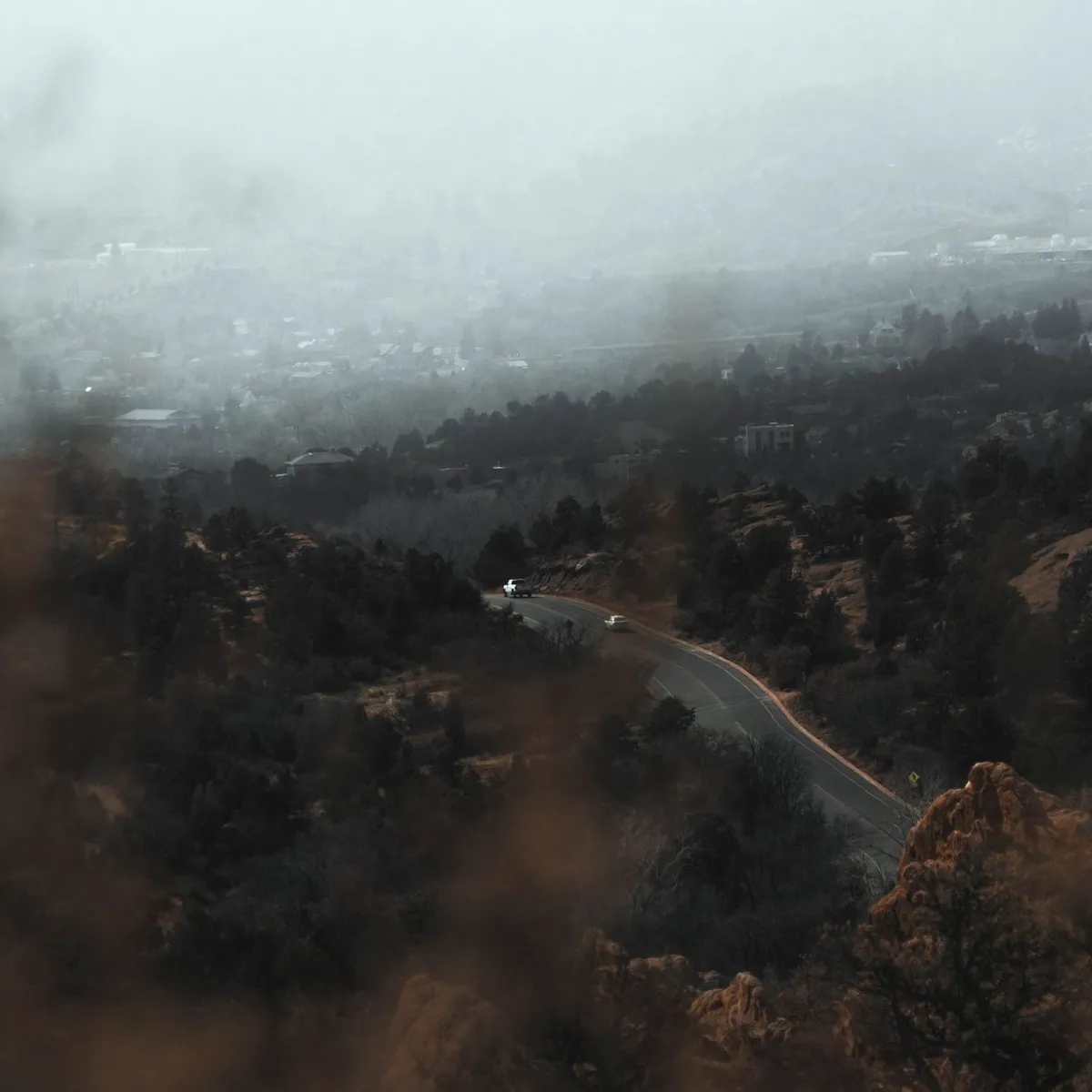
 Photo: Nasr Al / Pexels
Colorado Springs
Colorado Springs accessibility for wheelchair users
Compare Colorado Springs by accessibility, transport, terrain, healthcare, cost, weather, laws, reviews, and community notes.
Colorado Springs accessibility scores
Compare Colorado Springs by accessibility, transport, terrain, healthcare, cost, weather, and laws. General stats use public data and models. Community rows reflect member reviews and votes.
General stats
National benchmarks and estimates — your experience in this city may differ.
Community
Starts from our estimate — thumbs up nudge toward Excellent, down toward Poor. Reviews use 1–5 stars.
These figures combine public statistics, models, and live weather where available. Every city is different — treat this as a guide, and share what you know in the Reviews & Corrections tab.
Profile last updated 6/30/2026.
Colorado Springs wheelchair accessibility guide
Research Colorado Springs for wheelchair users and caregivers: getting around, terrain, healthcare, costs, climate, accessible things to do, and practical caveats before booking.
Last updated 6/30/2026At a glance
Colorado Springs is a high-scenery, car-oriented Front Range city with a few unusually strong accessible anchors and a lot of elevation reality. RollVenture’s live row scores it well for infrastructure and wheelchair transport, but the terrain profile is very hilly, with mountain approaches and exposed slopes that can turn a short route into a transfer or braking problem. Budget from ~$4,169/mo in the current DB estimate, with housing from ~$1,894/mo.
Getting around
Plan around vehicles first. Fixed-route buses can help on central corridors, and Mountain Metro Mobility is the local ADA complementary paratransit program, but many practical trips still involve rideshare, private car, or hotel shuttles. Downtown blocks near the Olympic & Paralympic Museum are more manageable than west-side attractions near Garden of the Gods or Pikes Peak. Leave extra transfer time when weather, event traffic, or steep parking lots are involved.
Terrain & mobility
This is not a flat city. The DB terrain profile flags a very hilly sample and OSM pavement confidence is low, so treat curb ramps, sidewalk continuity, and grades as route-by-route questions. Downtown and some newer visitor areas are workable; trailheads, scenic overlooks, and older commercial strips need advance checks. Winter snow, afternoon storms, and high altitude can add fatigue for manual-chair users.
Healthcare & care
The DB healthcare leads include Children’s Hospital Colorado at Memorial Hospital, Children’s Hospital Colorado Therapy Care at Printers Park, CSHP Urgent Care, and Cedar Springs Hospital. Treat those as nearby leads from OSM, not guarantees of specialist availability or step-free access. For a longer stay, confirm insurance, wheelchair repair, respiratory support, and home-care availability before booking housing.
Costs & housing
Colorado Springs is expensive but usually less intense than Denver or resort towns. The DB estimate is from ~$4,169/mo, so accessible apartments, roll-in showers, and reliable parking should be priced before arrival. If you need a power chair, prioritize newer elevator buildings, snow-clearing policies, and routes that avoid steep driveway aprons.
Climate & comfort
Dry air and altitude are the big comfort notes. Summers can be sunny and exposed; winter can bring ice, snowbanks, and freeze-thaw sidewalk hazards. A powered mobility device or solid transfer plan helps if you want to mix downtown days with mountain viewpoints.
Accessible things to do
U.S. Olympic & Paralympic Museum— Its own accessibility page describes universal design, wheelchair-accessible galleries, gentle-grade ramps, captions, ASL, audio description, sensory supports, transport chairs, and service-animal access.
Garden of the Gods Visitor & Nature Center— Use as a conservative scenic stop: paved visitor-center areas and drive-up viewpoints are easier than natural trails, but verify current accessible parking and path conditions.
Downtown Colorado Springs / America the Beautiful Park area— A practical low-grade base for food, hotels, and museum access; verify curb cuts block by block.
Pikes Peak Highway viewpoints— Best approached as a vehicle-based scenic outing, not an independent roll; confirm accessible restrooms, weather closures, and transfer needs before committing.
Community & language
English is the working language, with a military, outdoor, and tourism mix. Disability culture is visible because of the Olympic & Paralympic Museum, but day-to-day access is still highly neighborhood-dependent.
Would we recommend it?
Yes, for wheelchair users who can plan around altitude, vehicles, and hills. It is stronger as a short, accessible-scenery base than as a fully spontaneous rolling city.
These figures combine public statistics, models, and live weather where available. Every city is different — treat this as a guide, and share what you know in the Reviews & Corrections tab.
Profile last updated 6/30/2026.
Reviews & corrections
Share your experience or suggest a data correction. Both appear publicly; admin updates official city scores and costs separately.
Log in to write a review or suggest a correction.
No reviews or corrections yet.